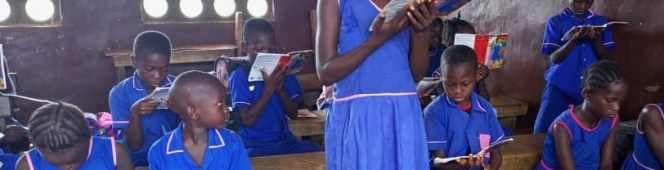
Imagine a child entering Class 3 who can hardly read simple words. Some still struggle naming letters or numbers. This is not uncommon in Bumpeh Chiefdom and across Sierra Leone. These children risk never catching up and often drop out of school in frustration. Their lives remain forever limited without reading skills.
Our partner, the Center for Community Empowerment & Transformation (CCET-SL), fills teaching gaps with a targeted Class 3 learn-to-read program. Experienced, retired teachers work weekly with students in seven schools on their first formal reading steps, while coaching their inexperienced teachers.

CCET-SL submitted this story of a girl struggling to read and her remarkable teacher who was retired “but not yet tired” – eager to keep teaching.
Rachel’s Reading Journey
Modigay is a small village surrounded by lush green fields with a winding dirt road to Rotifunk, the chiefdom headquarters. There lived spirited class-three student Rachel Bangura. Every day, Rachel woke before dawn, her heart filled with learning dreams despite overwhelming circumstances. Her family, struggling as subsistence farmers, could barely afford life’s necessities, let alone help with homework. Rachel often joined her parents in fields after school.

Rachel loved school, but joy was overshadowed by struggles. She could hardly read, spell, or connect sounds to letters, filling her with anxiety. In her bustling Rotifunk classroom, while other children eagerly raised hands, Rachel sat quietly, hoping not to be called upon. She felt lost in a sea of words dancing beyond her reach.
A New Hope
The Center for Community Empowerment and Transformation works with schools and local council to improve education quality in Bumpeh Chiefdom. They train teachers to improve outcomes among underprivileged children. They brought in experienced retired teacher Mr. Koroma, who had a reputation for transforming struggling students’ lives. With his compassionate approach and innovative methods, Mr. Koroma was determined to help children like Rachel.

When Mr. Koroma first met Rachel, he noticed the curiosity spark in her eyes despite looming fear of failure. He took time to know Rachel, learning about her village, family, and dreams of reading stories. Rachel expressed her desire to read about faraway places and adventures. Mr. Koroma promised they would work together to make that dream reality.
Building Foundations
Mr. Koroma began with basics, focusing on phonics and letter sounds through engaging activities. He used colorful flashcards, songs, and rhymes that made learning fun. Rachel’s shy laughter echoed as Mr. Koroma encouraged students to sound letters and blend them into words.
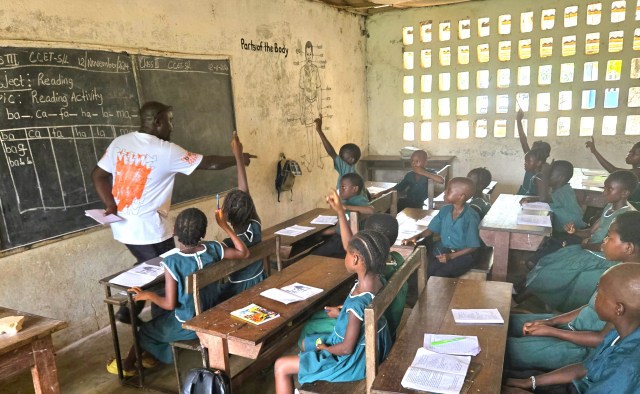
Initially, Rachel struggled to grasp concepts, feeling frustrated and overwhelmed, but Mr. Koroma’s patience kept her motivated. “Every word you learn is a step closer to your dreams, Rachel. Let’s take it one step at a time!” he would say, and Rachel felt hope ignite within her.
Beyond the Classroom
To further support Rachel’s learning, Mr. Koroma organized weekend literacy clubs in their village where children could gather and learn together. Rachel’s parents were thrilled seeing their daughter engaging with other children in learning to read.
During club meetings, Rachel enjoyed storytelling sessions where she listened to tales from different cultures. She was captivated by stories of brave heroes and magical realms, fueling her desire to read. Mr. Koroma encouraged children to draw pictures related to stories, allowing Rachel to express creativity when words felt elusive.
Breakthrough Moments
As the school year progressed, Rachel made significant progress. One sunny afternoon, while practicing with Mr. Koroma, Rachel successfully read a simple book aloud for the first time.

“Saffie’s Mistake!” she exclaimed, her voice filled with joy. Mr. Koroma and other children clapped excitedly, and Rachel’s face lit up with a radiant smile. This moment marked a turning point; she realized she could read, that she was capable.
Buoyed by success, Rachel started writing short sentences about her life and village. She wrote about family, friends, and beautiful sunsets. Each word she penned testified to her growth and determination.
A Year of Transformation
By year’s end, Rachel had transformed remarkably. With Mr. Koroma’s guidance, she could read simple stories, write confidently, and understand word sounds. Rachel’s self-esteem blossomed, and she now participates actively in class discussions. She’s no longer the quiet girl at the back; she’s become a vibrant classroom community member.
Rachel often shared dreams with Mr. Koroma about becoming a teacher to help other children like herself. Mr. Koroma beamed with pride, knowing his influence had sparked fire within Rachel.
Learn to Read Program Impact
Rachel’s story repeats many times with Mr. Koroma and other experienced reading teachers entering classrooms weekly.

CCET-SL reading tutors break through barriers and jumpstart children’s ability and love of reading. Teachers who only graduated high school receive practical, in-classroom training building their skills and motivation to teach.
Because CCET-SL uses experienced community teachers, the cost is only $10 per student for the whole year. The cost is low, the result is priceless.
To keep kids progressing, we will expand the learn-to-read program to Class 4 with the new school year. You can give 350 Class 3 and 4 children like Rachel in seven schools the chance to unlock their potential through reading with your support: here.
You can also help send 14 early primary school teachers to get 3-year teaching certificates on scholarship. They’ll develop skills to start children on the path to mastering reading in classes 1 – 3.
These teachers have only graduated from high school with no means to pay for higher education. A scholarship for each year is only $400. Give Now
You’ll be giving Bumpeh Chiefdom children a strong education head-start, an advantage they’ll carry through life. We appreciate your support!
–Arlene Golembiewski
Executive Director

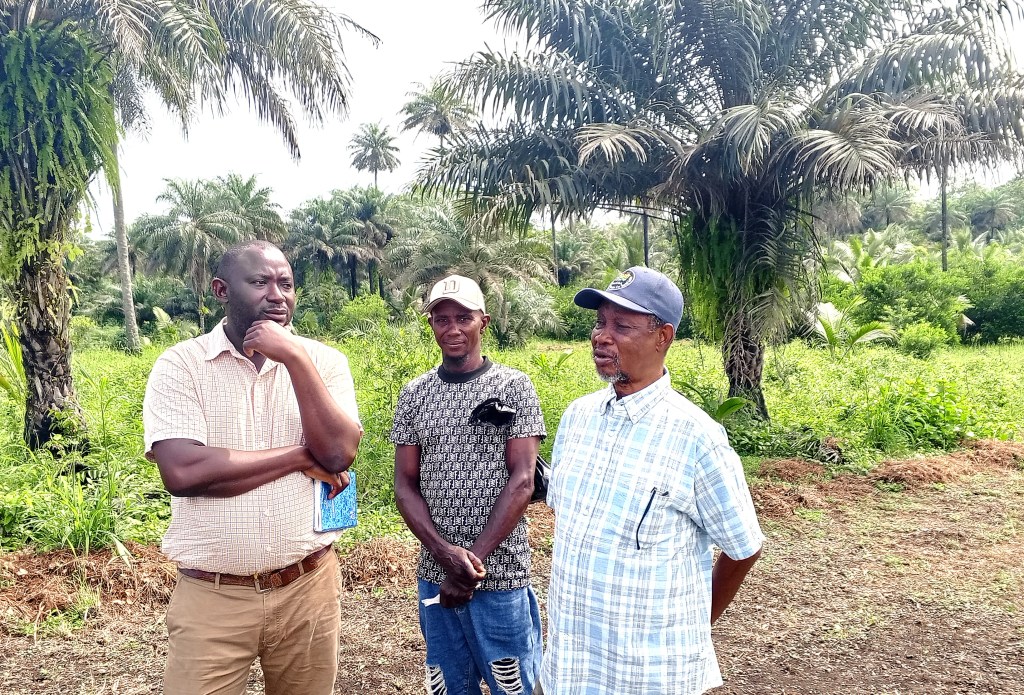

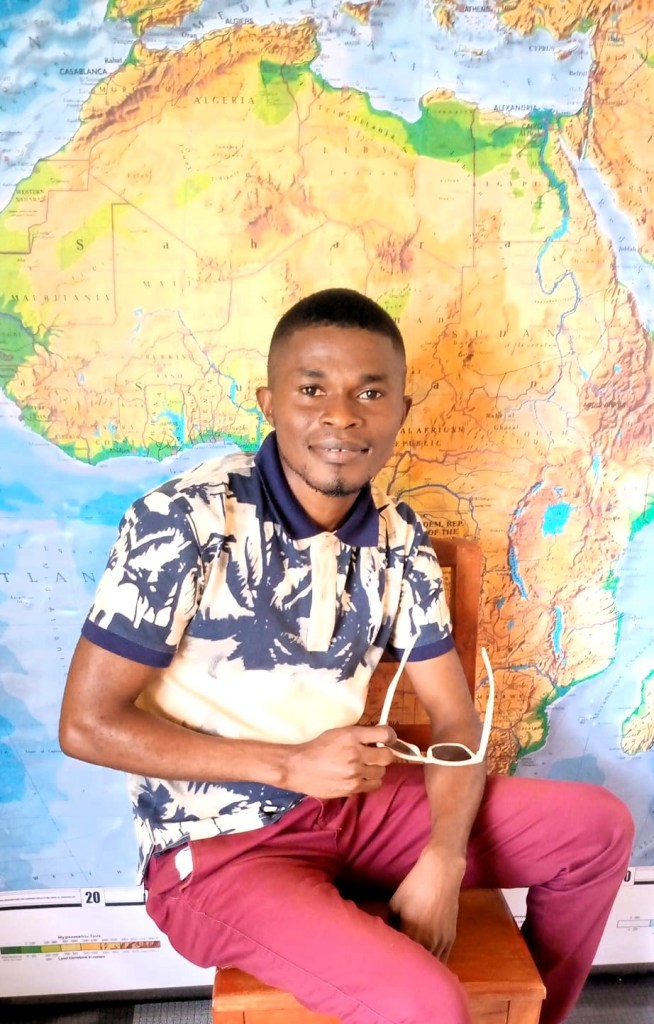
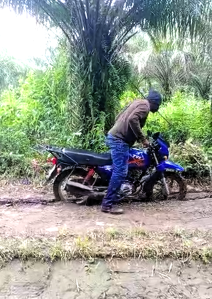 For Mustakin, this work transcends employment. “I’m here to create my own legacy,” he tells us. His commitment to the people of Bumpeh Chiefdom runs deep, driving him to push through the daily challenges of rural development work. Like getting to project sites on roads, left, he found even his motorbike had trouble passing in the rainy season.





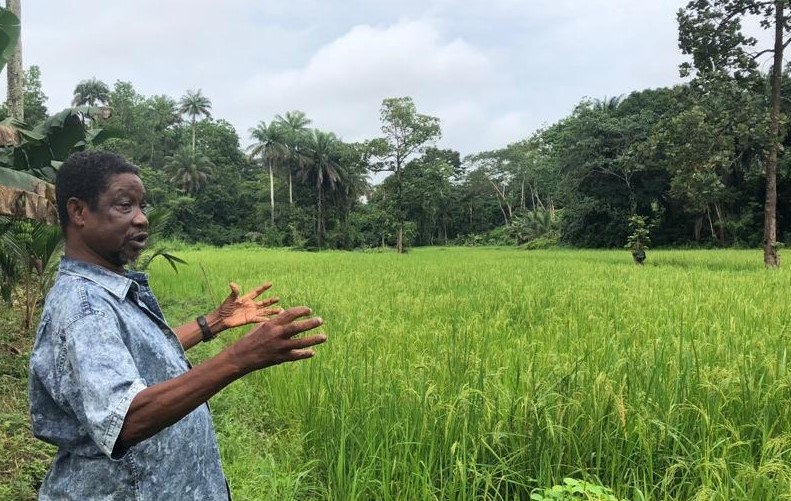


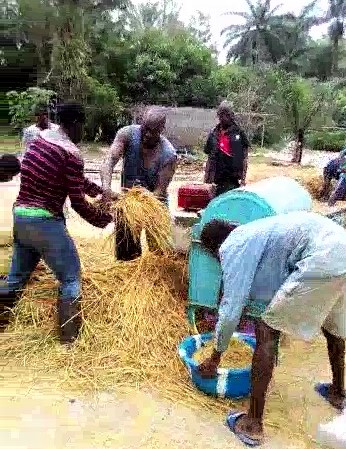 Seven acres of IVS rice, above, were just harvested in what proved to be a bumper crop.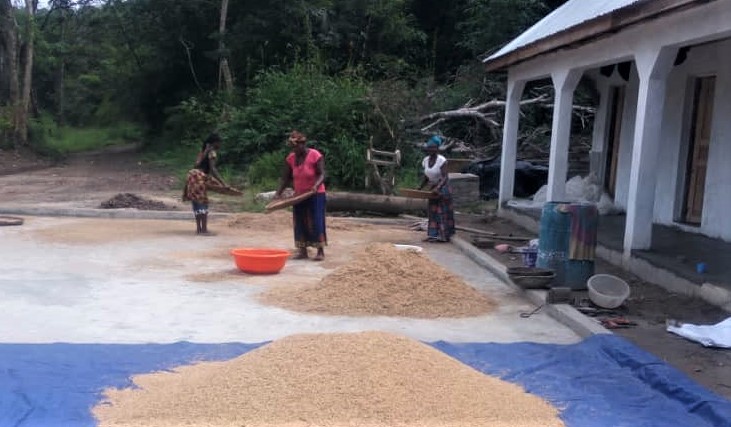


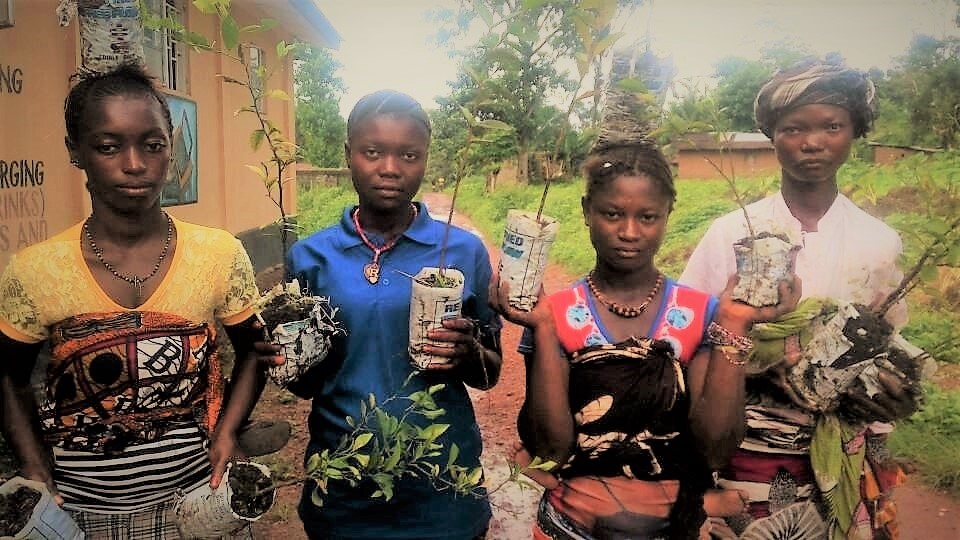
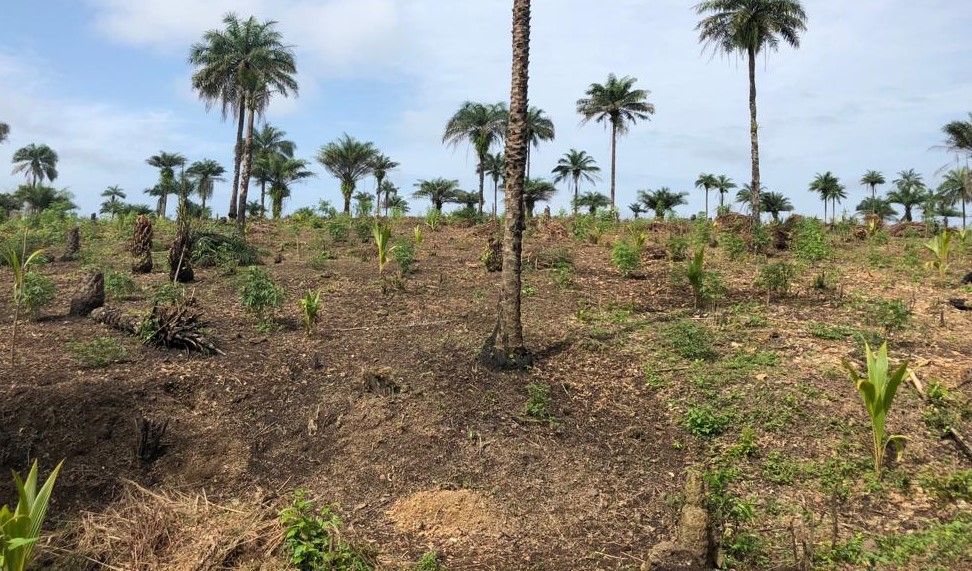 The third, most recent orchard was planted in June-July of this year
 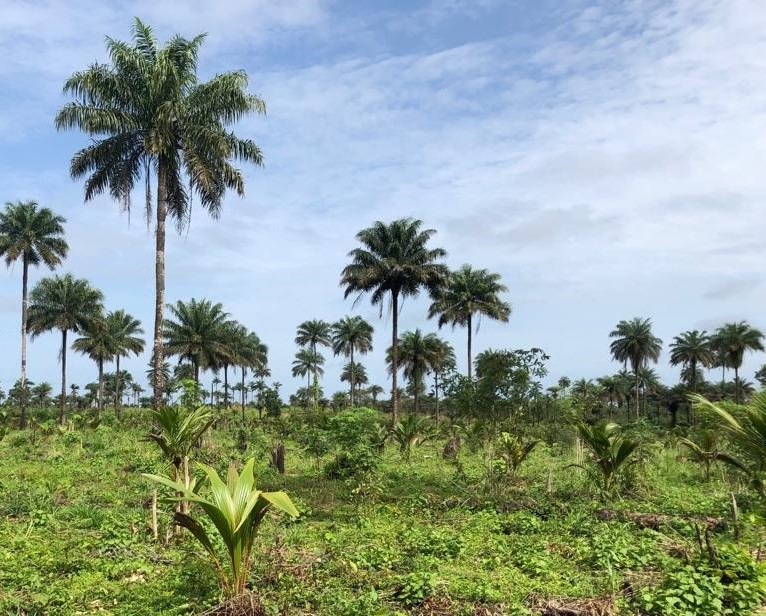 Trees in the second orchard, left, planted in 2018 are strong, sprouting up with two rainy seasons of growth.
 The first orchard planted in 2017 is now in its third year.
 Guava and lime trees planted in 2017 in the first orchard are sporadically fruiting, and will yield a good harvest next year.


 School sports meets are a huge deal across Sierra Leone, but especially in rural towns like Rotifunk with little to entertain and amuse. Students march onto the sports field in brightly colored T-shirts for their house’s color, while a DJ blasts out music with massive speakers (thanks to a generator for power).
 Announcers calls out the competitors in their various track & field events and give the volleyball play-by-play account. Winners in individual events get certificates. Houses will parade around town with trophies boasting of their overall meet results.
 My colleagues from our partner CCET-SL turned out to support Arlene’s house. Each house comes with its own masked “devil,” a nod to their traditional societies. These devils compete in a wildly gyrating dance competition where spectators vote by tossing money in their basket.


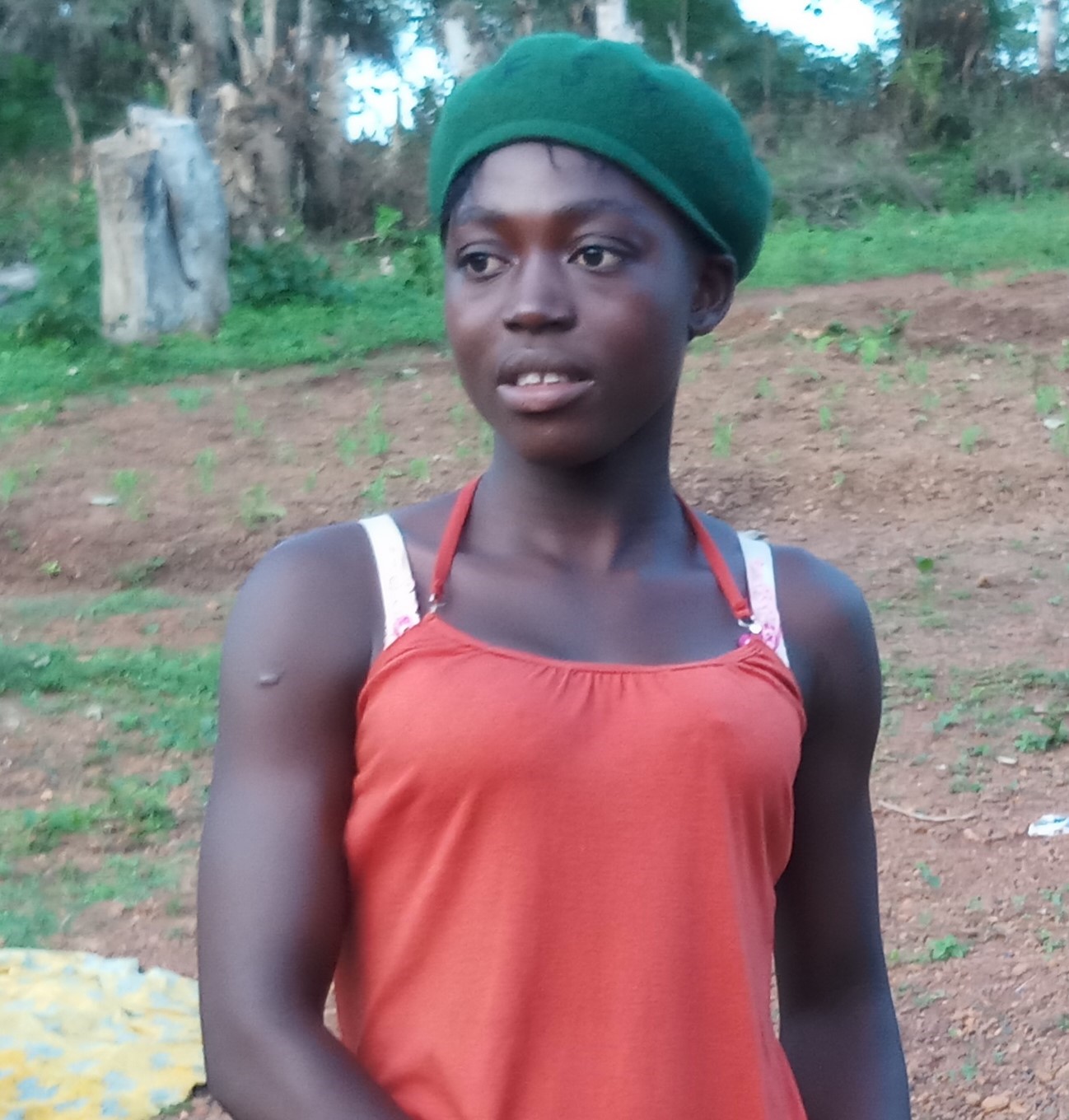 Fatmata’s not sure how old she is. We estimate she’s 17. Her
 “She made a good choice to stay here,” said our local partner CCET’s Managing Director Rosaline Kaimbay. “She’s determined to learn. We need to motivate her. I love the girl. So bold. I will follow her progress.”
 During that tumultuous time, Fatmata had to repeat her first year of junior high. She’s continued to advance to the 9th grade with four SFSL scholarships.
 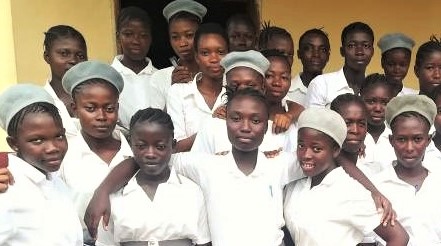 Many other bright girls are eager to keep learning, often after interruptions in their educations.
 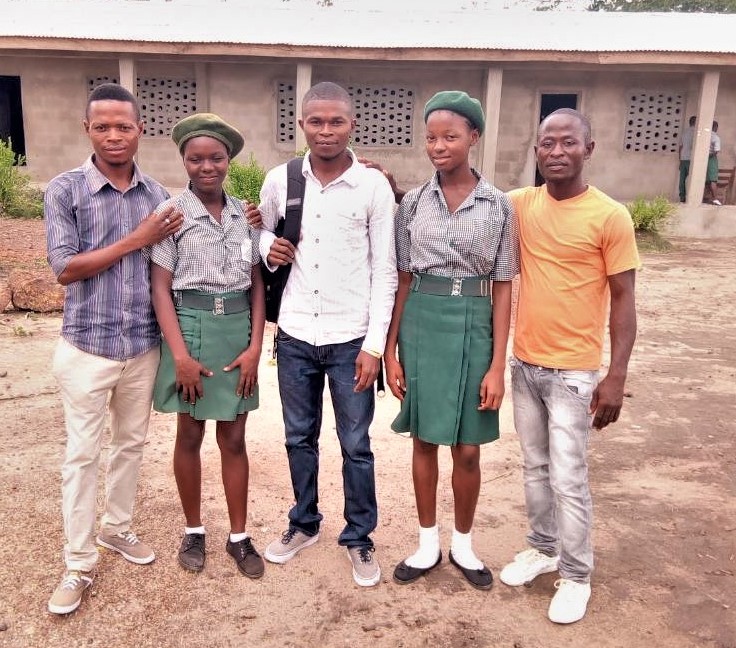 Isatu, an orphan in senior high, just completed 12th grade. She’s awaiting the next national senior high completion exam. She could be a candidate for our new college scholarship program.




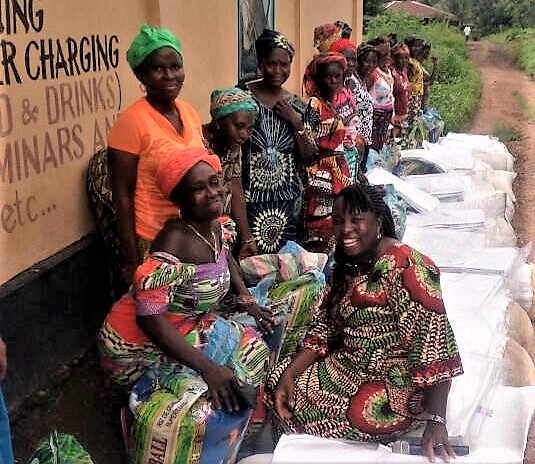




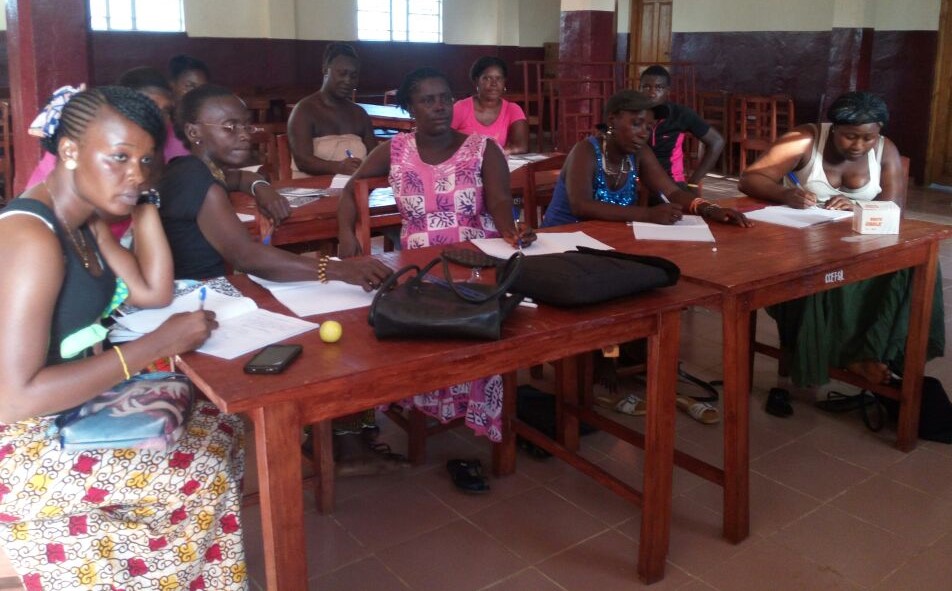 The Adult Literacy program was a fast start and one of our first. Only committed students, dedicated volunteer teachers, a classroom and a blackboard required. No cajoling needed.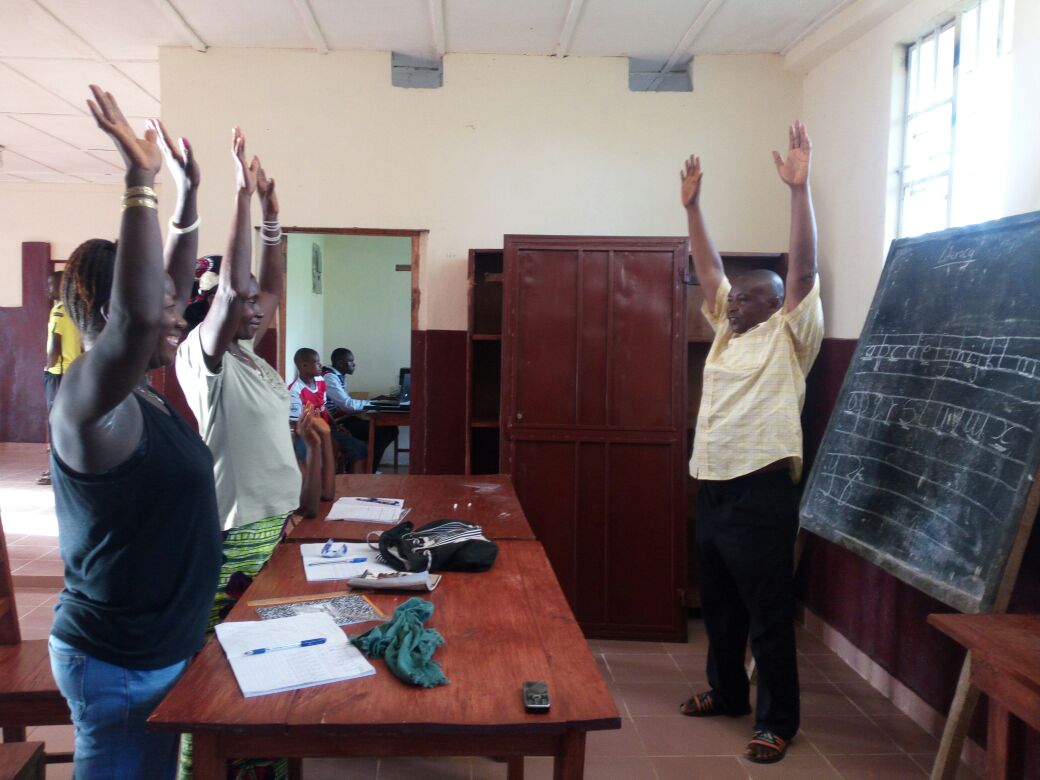

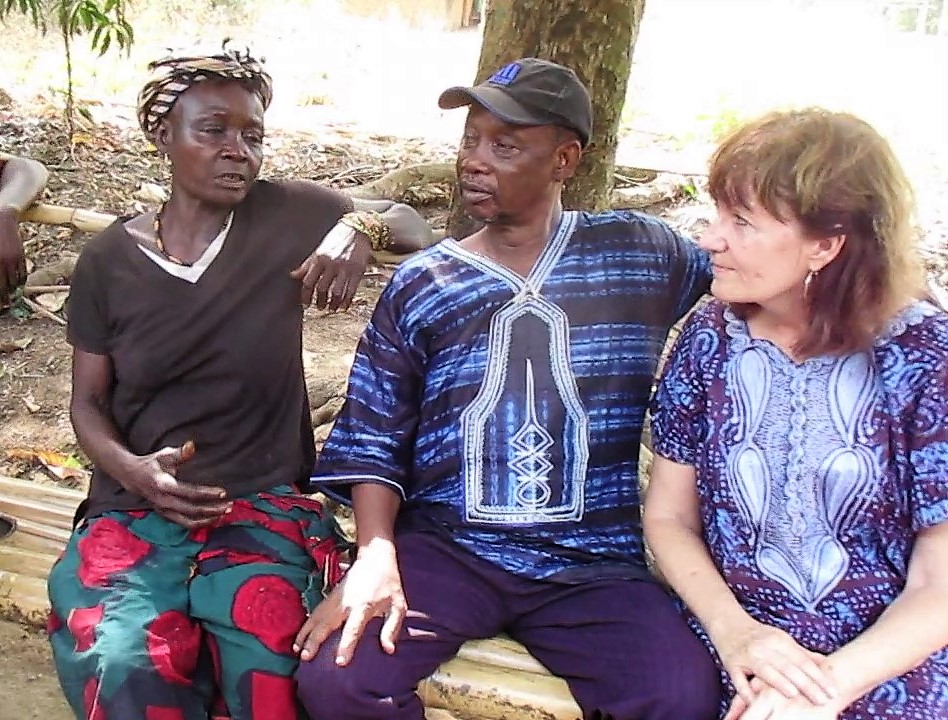
 I remember the women I met in 2013 and why they wanted to start learning now. Kadiatu, left, was chief instigator and lobbied for classes for two years. She was her family’s breadwinner and head of Rotifunk’s women trader’s union, otherwise known as market women.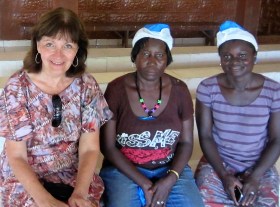
 Magdelaine, with me on my far left, took a co-op style nurse’s aide training program in the district capital. Back home in Rotifunk, she works at the hospital.
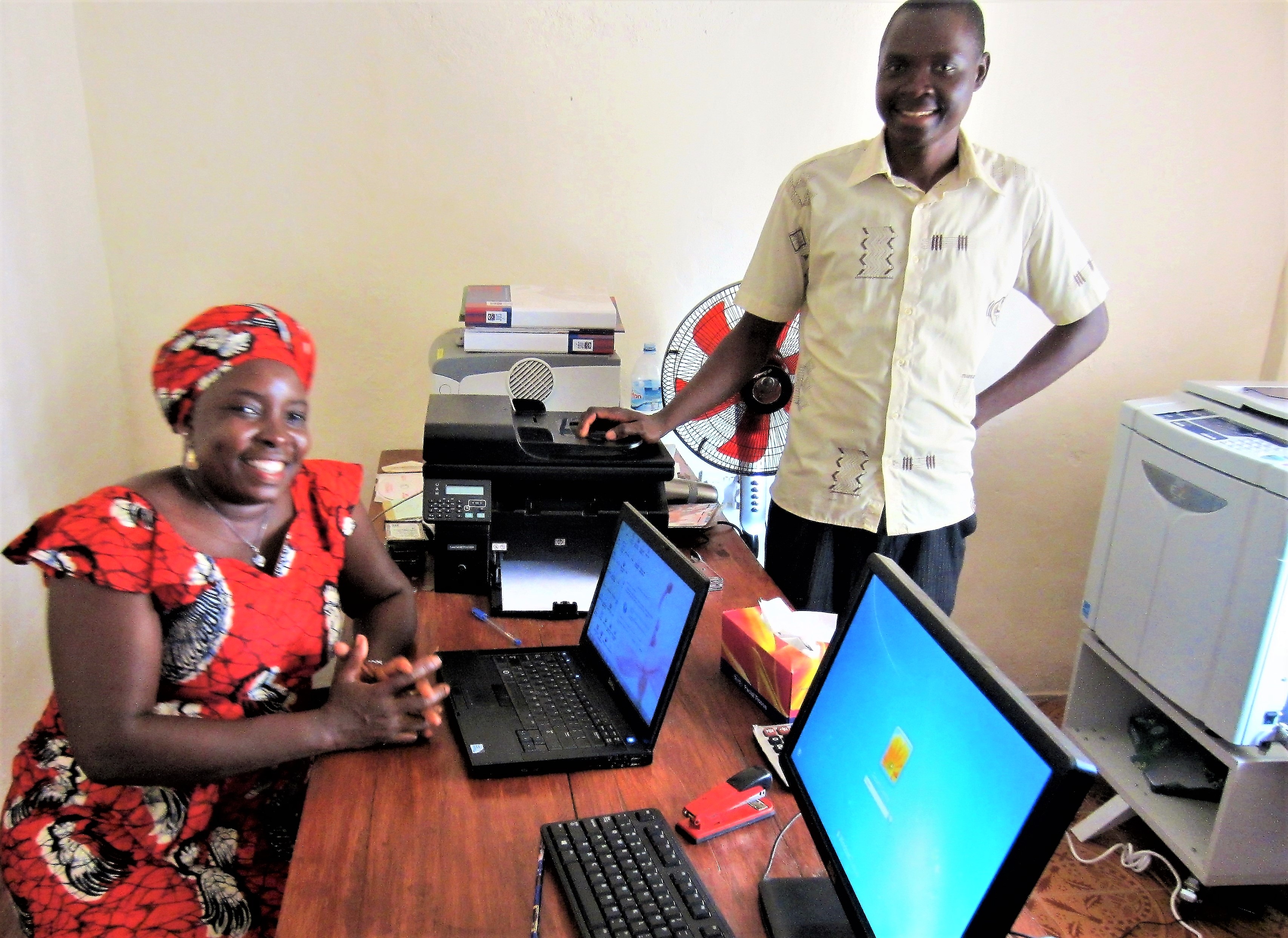
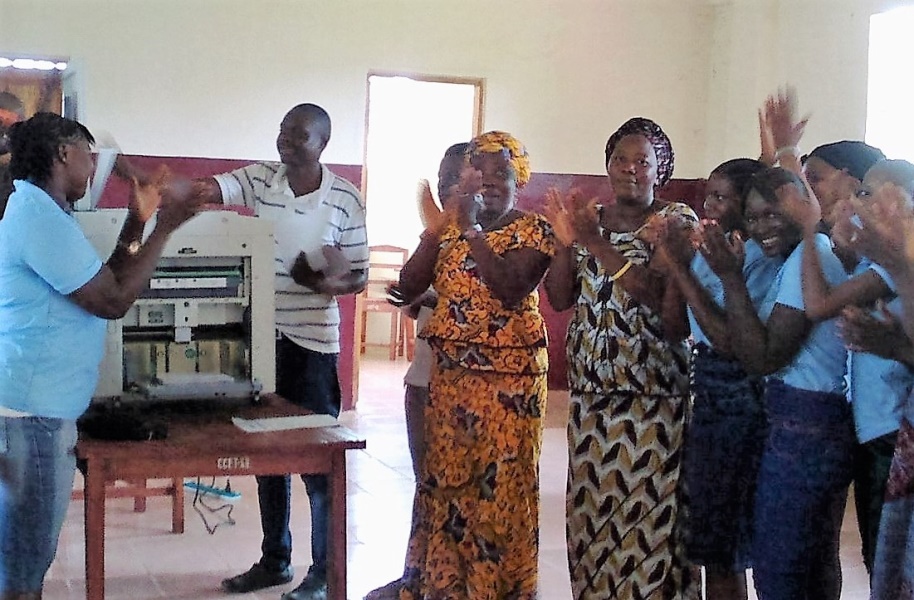 The economical high-volume, low-energy copier was met with cheers at the Rotifunk facility. With good reason – it’s the only printing service within several hours drive. Printing once meant a trip to the capital Freetown.
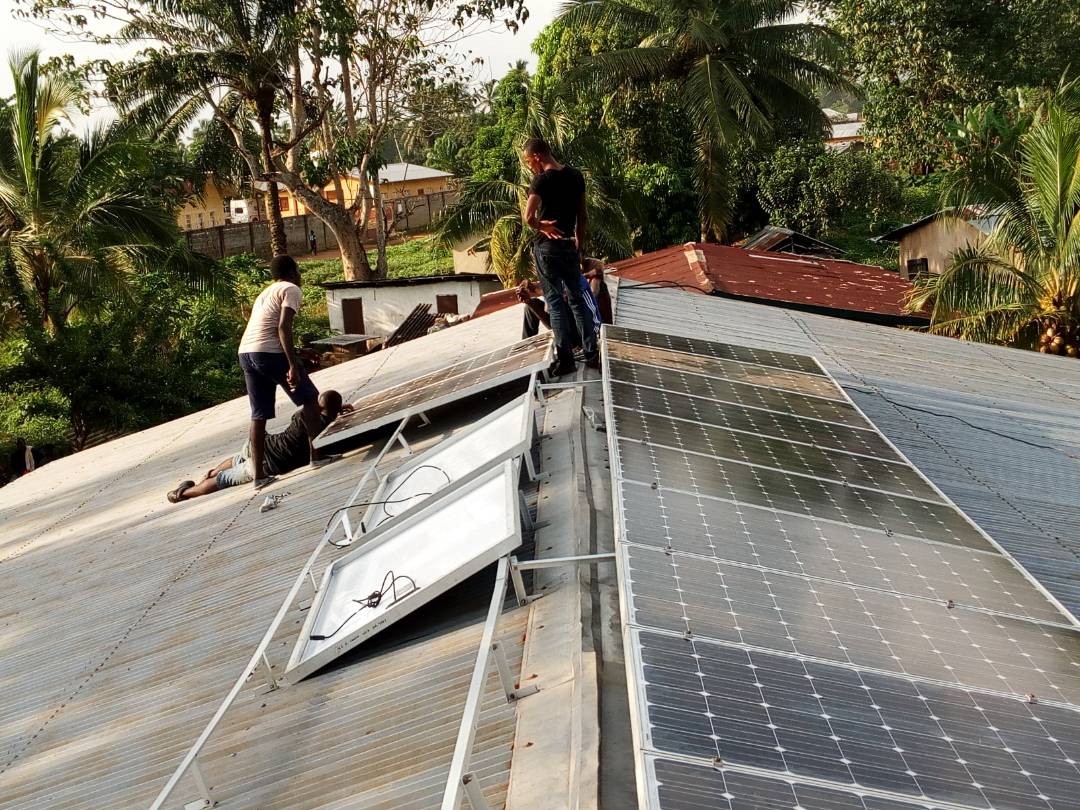
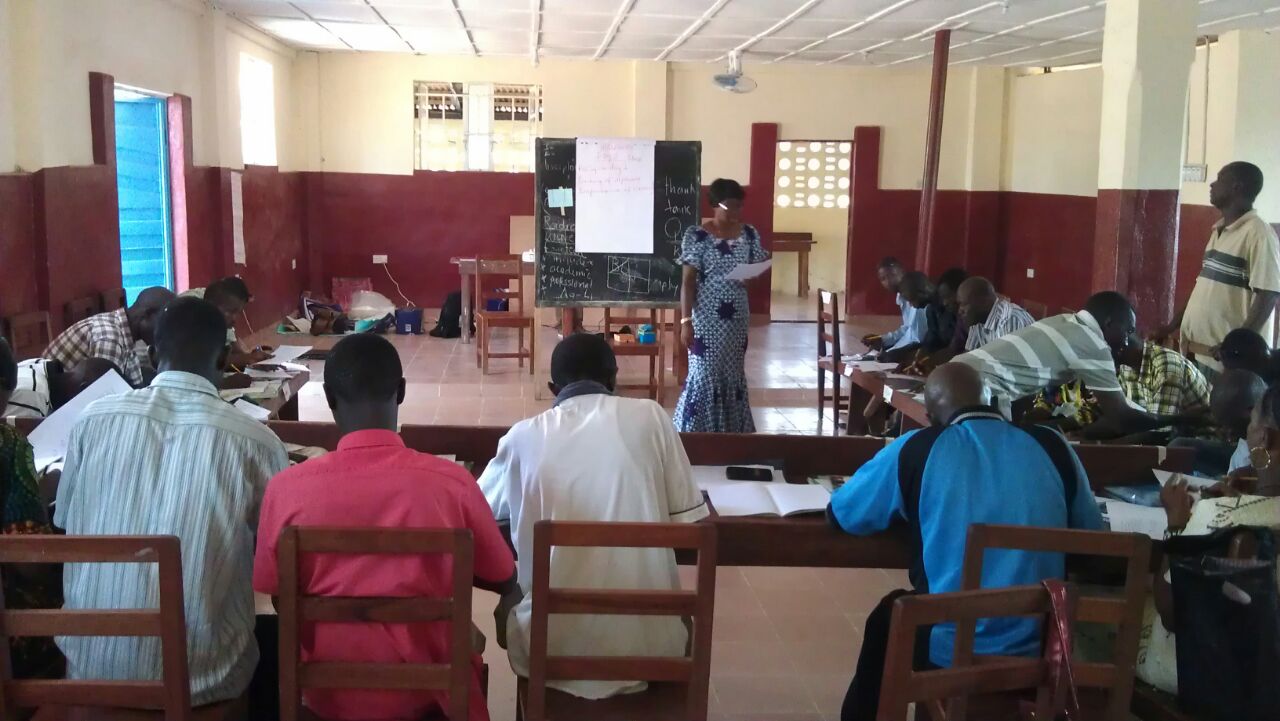 Now, the computing center — built from a war ruin — is being used to instruct students and adults on computer use. It also hosts adult literacy classes for the many whose educations were cut short by the war. The solar-powered building is available to rent, the only modern building for miles suitable for meetings and community events of 20 – 100. Primary school teacher training, above, was the first rental customer.
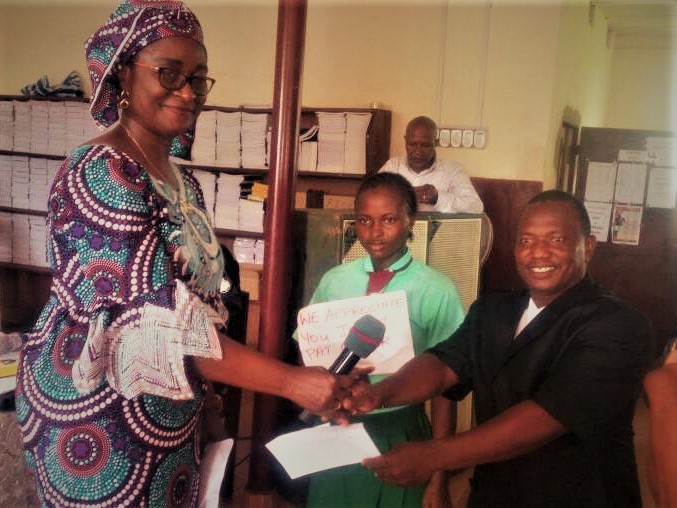
 The large duplicator was purchased with a $3,750 grant Sherbro Foundation received from the Ann Arbor (MI) Rotary Club and its District Rotary group. We purchased and shipped the duplicator to our Sierra Leone partner, the Center for Community Empowerment & Transformation (CCET), which operates the Center.
 Customers soon lined up for the unique service, which spares them an eight hour round-trip to the capital, Freetown. Many are teachers from Bumpeh’s five secondary and 40 primary schools, who need to print reading materials (students have few textbooks), exam papers and report cards.






 Sherbro Foundation