Youth unemployment in Sierra Leone is staggering.
70% of those under the age of 35 are unemployed or underemployed. Erratic work in the informal economy, like market trading and day labor, is hard to even call employment. But that’s the best many can do. They have no skills.
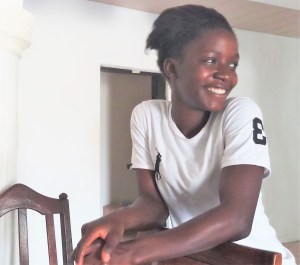 Izzy is back in school now to avoid this fate. She’s in a vocational course teaching her electrical wiring. She chose that because it will lead to a wage-paying job with a future She’ll be poised on the leading edge of Sierra Leone’s solar revolution.
It’s back-to-school time. And time for our annual educational fundraising appeal – with another new twist this year.
Vocational training is one of four types of higher-education scholarships we’re sponsoring for chiefdom students. The successful after-school tutoring program will continue, as well.
Izzy is one of 12 Bumpeh Chiefdom students enrolled in a new vocational training program with Sherbro Foundation scholarships.
 She was an 11th grade student aimlessly drifting in a conventional school that didn’t offer much to a student like her. Izzy (short for Ismatu) lost first one parent, then the other. She lives with her grandmother, helping in her catering business, which in rural Rotifunk, is down more than up.
Izzy is a quiet girl. In a month of being around her, I never got more than a “good morning, ma.” She’s always silent, her grandmother said. Just quietly doing tasks she’s asked to do. Fetch water, wash the pots, peel potatoes, pluck feathers off a chicken. You can see she’s had a painful past. Spending her time with older women who didn’t have their own chance for education, she never formed any goals.
The Sierra Leone government recognizes young people like Izzy need new opportunities. Most will never go to college. They need to get job skills. The government decentralized its Government Technical Institute, putting satellite programs in the district capitals where it’s practical for impoverished students to study. They made it affordable, with low tuition and avoid the capital Freetown’s high cost of living.
When Izzy’s chance for a new kind of education came up, she went for it. Electrical wiring is unusual for any girl to elect, but especially in Sierra Leone.
I asked her, why choose this, and Izzy softly said, “So I can do betta.” Meaning, so I can get a job and do better than the women around me.
 Now she’s learning a skill that will set her up in a trade with opportunities, as Sierra Leone’s construction industry grows and electrical power takes off.
Until now, 90% of rural Sierra Leone has been in the dark.
Izzy didn’t choose this out of the blue. Last year, she was helping her grandmother cook for a group of Germans who came to install a solar system at Rotifunk’s mission hospital. They observed women have almost no options for jobs and are always working as “beasts of burden.” They encouraged Izzy, saying she could be doing solar installations and other electrical work.

Not long ago, a group of illiterate Sierra Leone women went to India to be trained as part of a “barefoot solar” program, which successfully trains illiterate Indian women to do solar system installations. They show even uneducated women can learn what they need to know to run wiring and install solar panels. Women are disciplined and pay attention to detail.
 When Izzy was selected for one of the first 12 Bumpeh Chiefdom positions at the new technical institute in the district capital Moyamba, she saw electrical wiring was a course option. She didn’t hesitate.
Four young women and eight young men were accepted for Sherbro Foundation funded scholarships. Three women elected an IT course. The men are studying building and constuction, auto mechanics and IT.
The only female in her electrical course, Izzy is getting encouragement all around, including from the guys in the class. She’ll be finishing her first year soon, leading to a one-year certificate. If she does well, she can continue into a second year and get a full diploma.
Izzy’s timing is good. Small scale solar systems are spreading across Sierra Leone.
 Easy Solar is one company bringing small solar units to rural African households. It installs solar panels with as little as 25 to 50 watts capacity, enough to run a couple LED lights and charge phones, plug in a radio or another small device.
Compared to always buying expensive alkaline batteries, this kind of small solar service is affordable for many. The smallest package is $70. You can buy your set-up outright, or pay it off monthly. Later, you can add on.
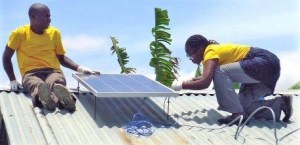
The exciting news is a solar mini-grid is being installed for the town of Rotifunk. It’s a public-private venture, that will be run like a small utility company. Households who want the service will get an electrical meter installed for pay-as-you-go service. Poles are going up around Rotifunk to carry electrical wires throughout town. The rest goes in soon, when the peak of the rainy season passes.
I smiled when I heard one excited resident say, with electricity, “Rotifunk will be New York City of the south [of Sierra Leone].”
 The above solar mini-grid is an example of many being installed in rural Sierra Leone.
Imagine the anticipation of having even small-scale power and lights around Rotifunk for the very first time. It will no doubt keep growing, as power expands around the country.
Izzy soon will be ready to take advantage with her new electrical skills. She can “do betta” and have a future in front of her.
When asked to sponsor vocational training scholarships, Sherbro Foundation immediately said, absolutely.
It takes just $325 for a total scholarship package for the year to help one vocational student get job skills! This includes tuition and practicals fee, room rental and transportation for nine months.
The institute is impressed with Bumpeh Chiefdom’s response in sending students. It’s the only chiefdom in the district to fully sponsor 12 impoverished students and give them this opportunity.
You can help Izzy and 11 others like her get real job skills. Contribute towards a $325 annual scholarship here and these young people will soon join the job market – and avoid lives of poverty.
You’ll be making a great investment that feels great, too. Thank you!
— Arlene Golembiewski, Executive Director
Our Sierra Leone partner CCET-SL has more education programs helping Bumpeh Chiefdom students move to self-reliant lives. Stay tuned to hear what’s next for the successful after-school tutoring program and two other scholarships for community health nurses and our first university student!
 Rural areas like Bumpeh Chiefdom have reported few, if any, cases. Life largely takes place outside where breeze offers natural dilution.
 Chiefdom meetings now take place with distancing and masks.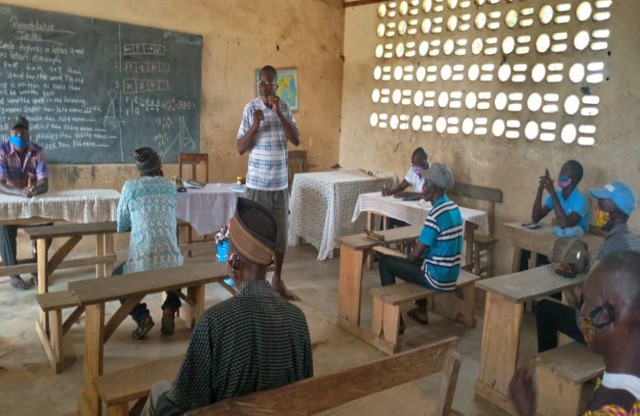
 Trainers emphasized practical demonstrations, with participants practicing proper handwashing and mask use.

 Over 9000 Sherbro Foundation funded masks were distributed so residents can comply with chiefdom (and now government) requirements.
 195 hand washing stations and soap were also given to village leaders for their public places. With no running water and few wells, this encourages handwashing where people convene.
 “I am very much delighted for the completion of the training of our section safety teams. I followed the process with keen interest and I am tremendously satisfied with the accomplishments. My section chiefs and their people constantly called me and expressed appreciation for the exercise while it was on.”
 Our partner CCET-SL resumed its special all-day 12th grade school in its education center July 1, preparing Rotifunk’s graduating students for their national exam. Masks and distancing required.

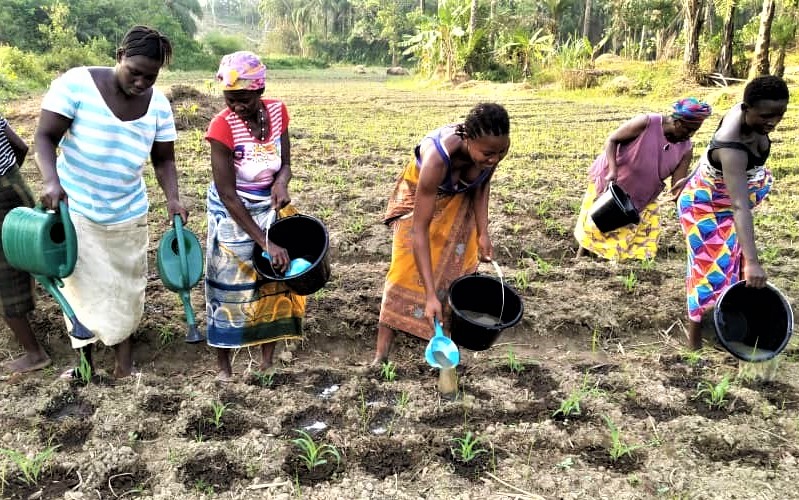
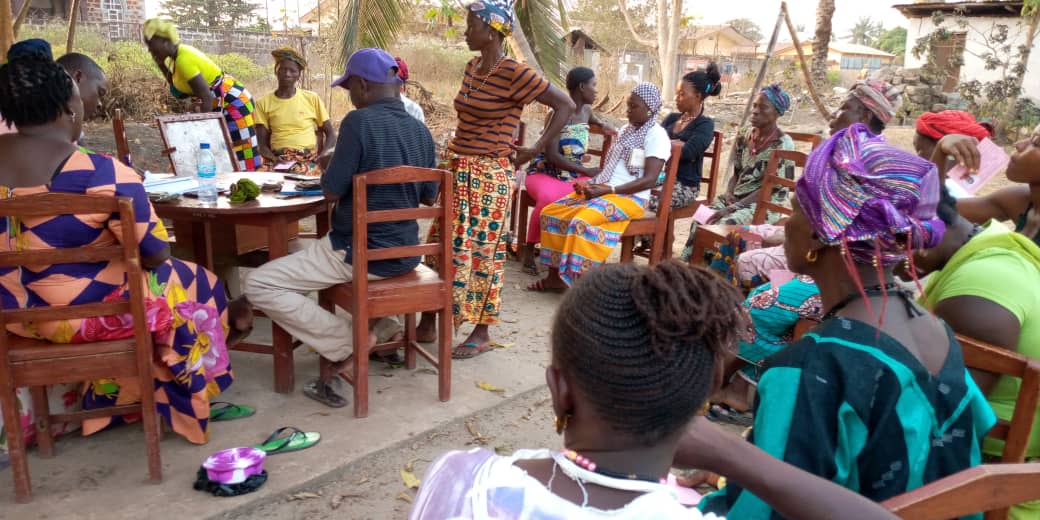
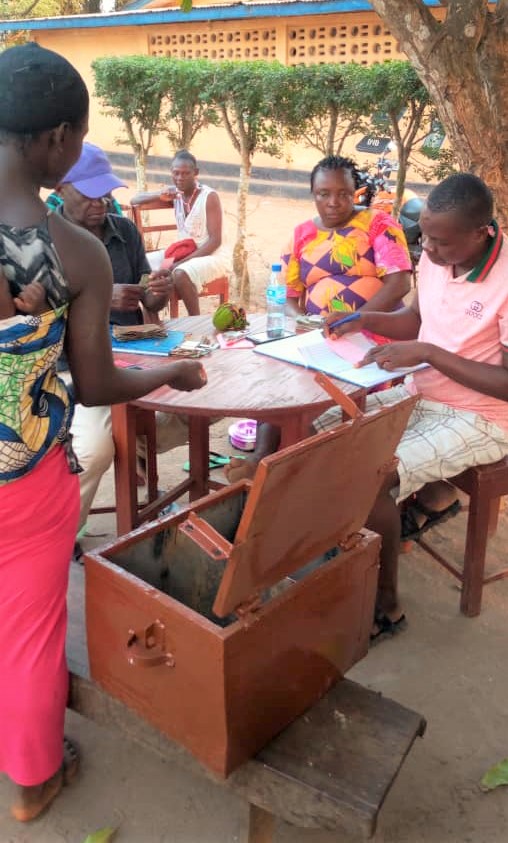 Under the Small Grant and Savings Program, women should be able to increase the size of their trading business with their small grant and the resulting income they earn. And with required savings, they’ll have another windfall at the end of the year.
 With her remaining Le200,000 from the grant, Yeama bought cassava, a starchy tuber, and made foo foo, left, traditionally eaten on Saturday with a meat soup.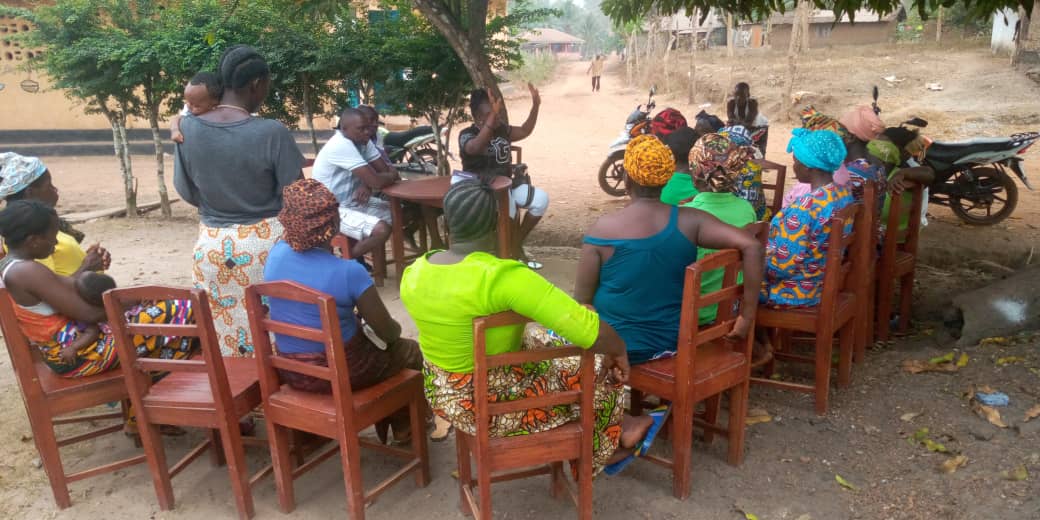

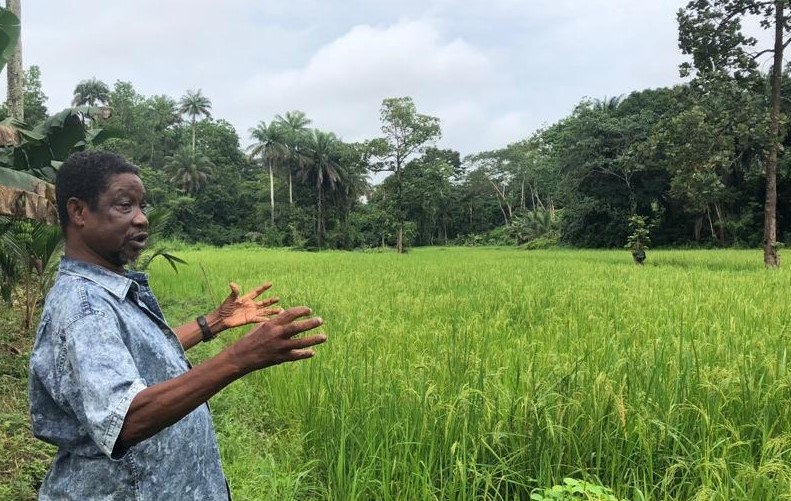


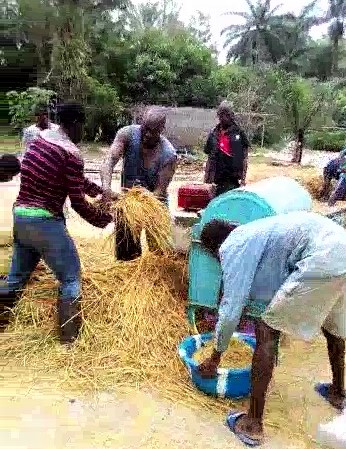 Seven acres of IVS rice, above, were just harvested in what proved to be a bumper crop.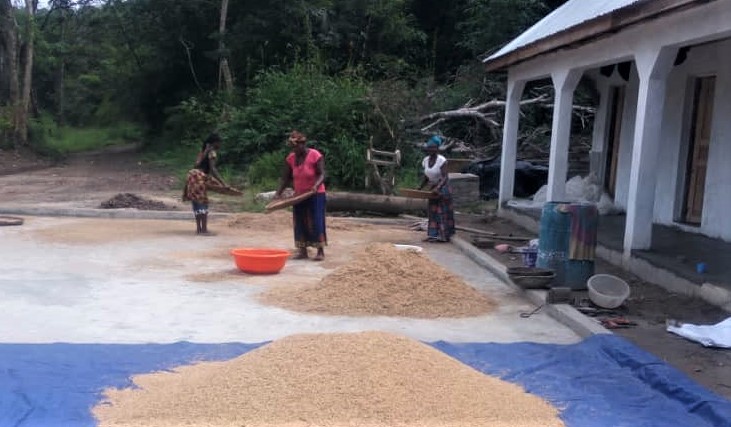


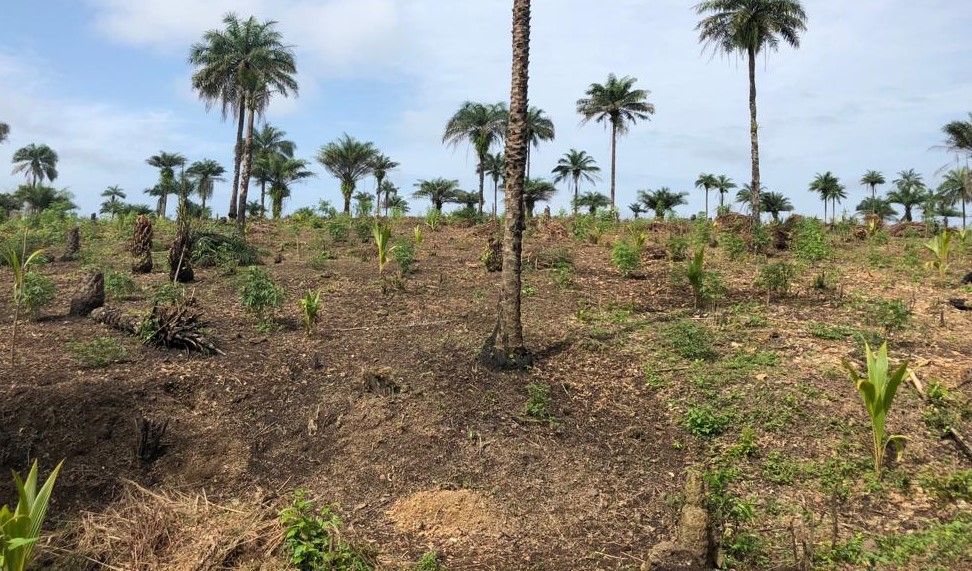 The third, most recent orchard was planted in June-July of this year
 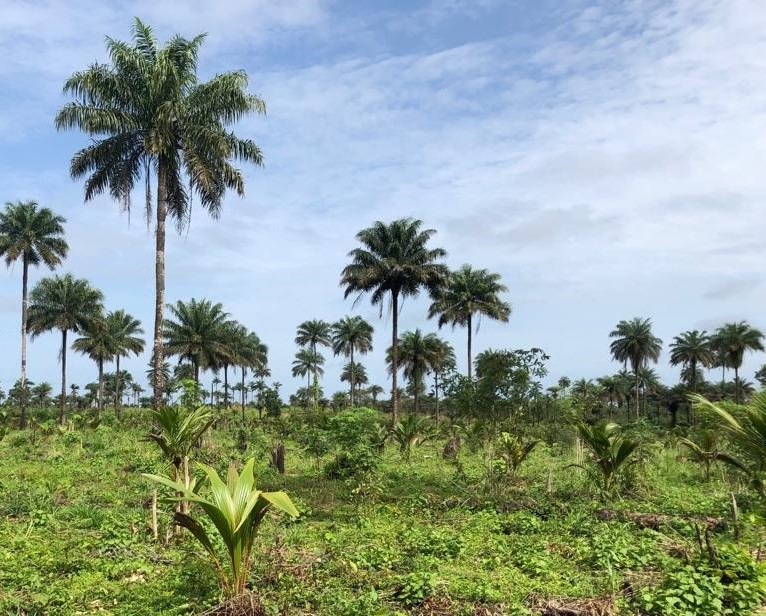 Trees in the second orchard, left, planted in 2018 are strong, sprouting up with two rainy seasons of growth.
 The first orchard planted in 2017 is now in its third year.
 Guava and lime trees planted in 2017 in the first orchard are sporadically fruiting, and will yield a good harvest next year.


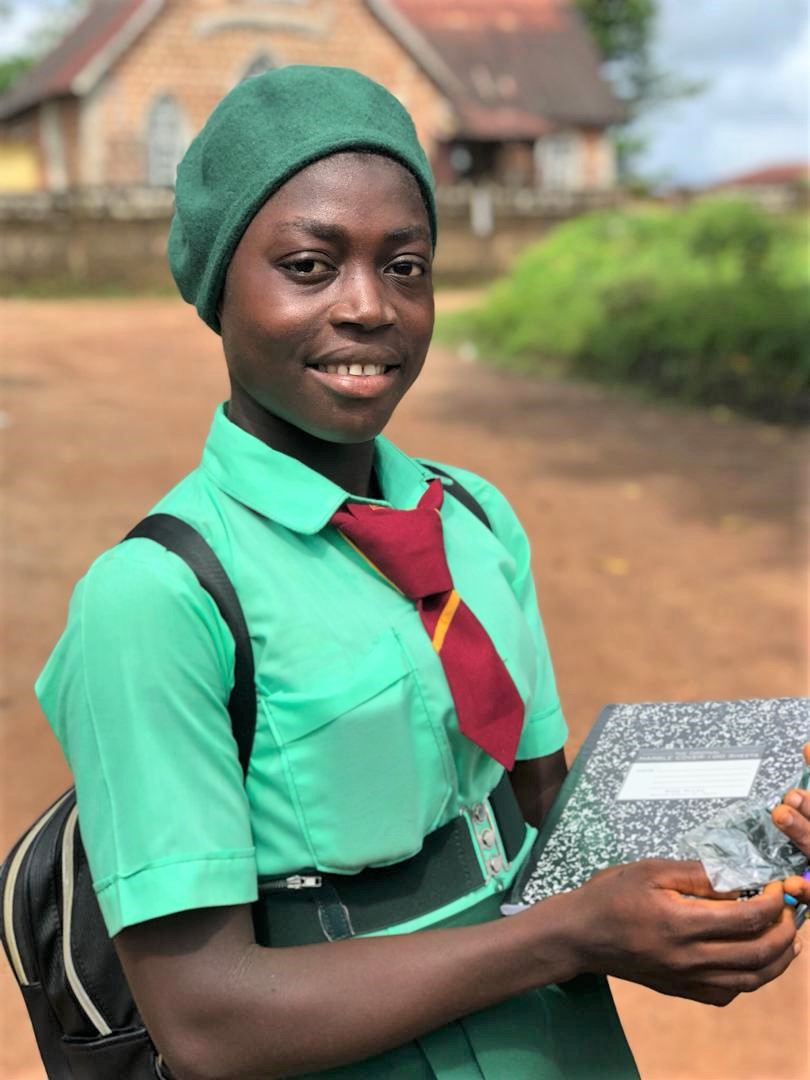 I always anxiously await seeing what happened to individual girls I’ve gotten to know. This picture of Fatmata proudly smiling in her senior high uniform made me smile, then left me teary thinking of her story.
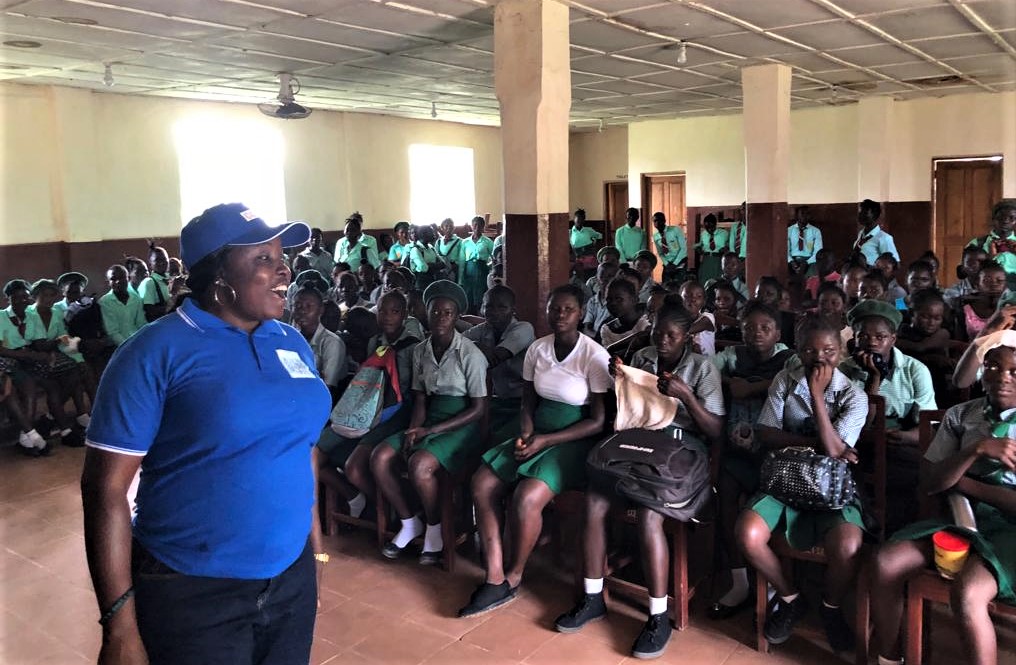


 The fact is, they do. And with the scholarship program, the number of girls in Rotifunk secondary schools is catching up to their male peers.
 Student profiles show just how important it is to support boys as well as girls. Mustapha, left, is doing well now in 12th grade with his second scholarship.
 But we forgot one important barrier to girls regularly attending school.
 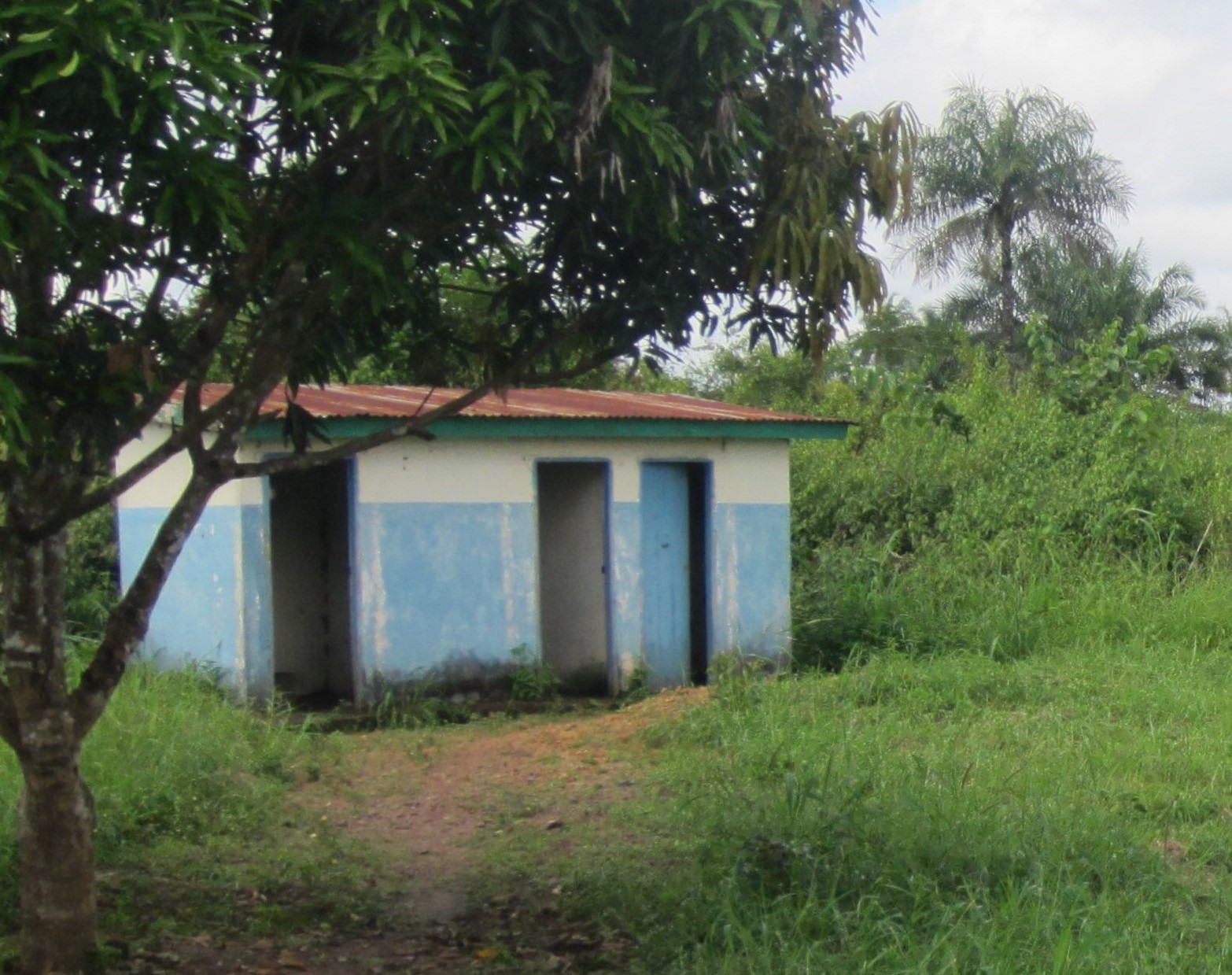 Schools at best have a few latrines. Some schools don’t have on-site water – there’s no well or the pump doesn’t work. Forget sinks or wash stations at the latrines.
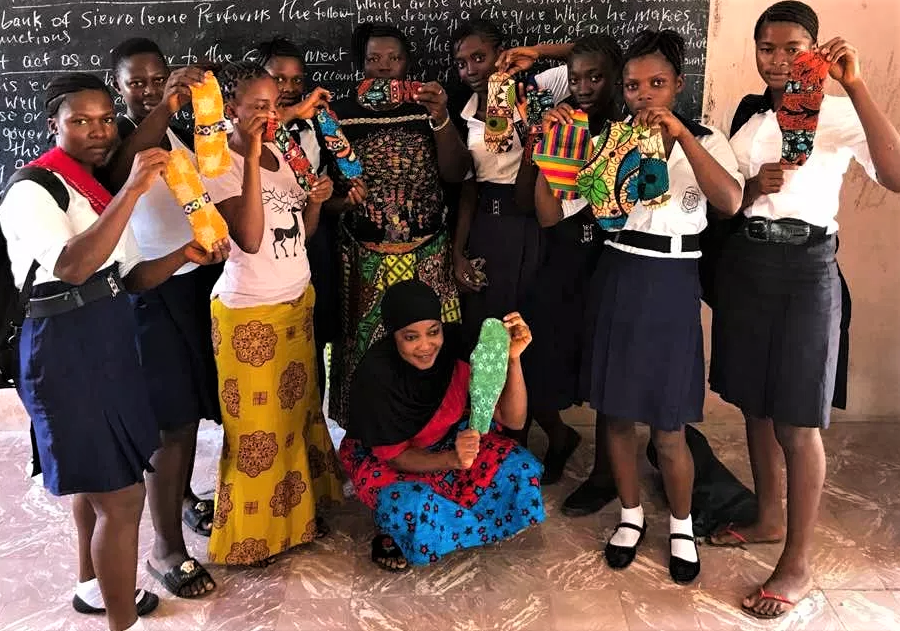 Every girl will get a kit in a colorful bag with 2 washable shields, 8 washable pads of an absorbent flannel type material and zip lock bags to hold soiled pads.
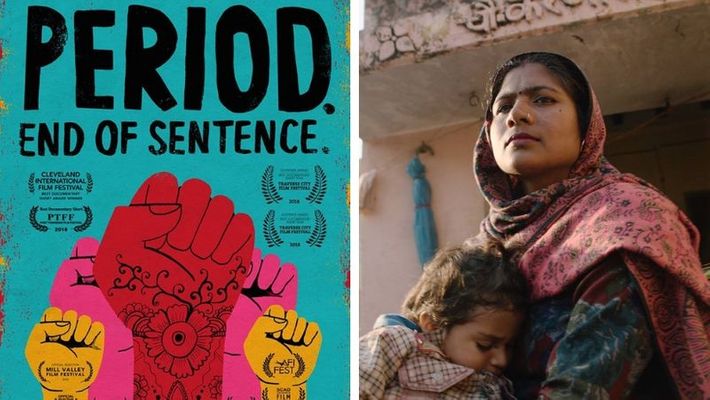 If you have Netflix, you’ll want to see the 2019 Oscar winner for short documentary,
 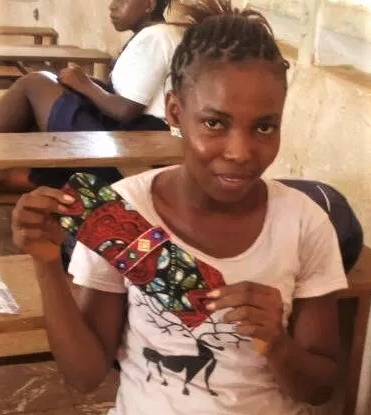 Through their own fundraising, Schools for Salone offered us a steep discount on the kits. They know Sherbro Foundation has a successful grassroots program that will ensure the kits get to the kind of rural Sierra Leone girls we both work to serve.

 Sherbro Foundation