
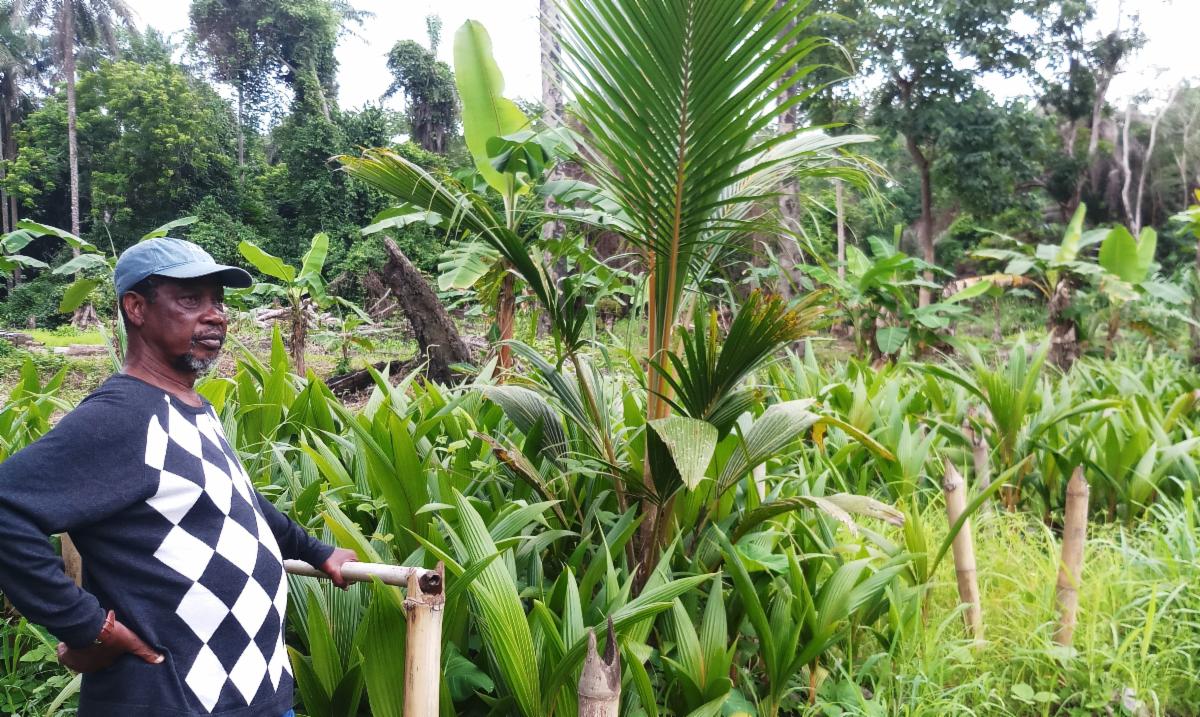
Sherbro Foundation is honored to announce that the Procter & Gamble Alumni Foundation Fund of the Greater Cincinnati Foundation has awarded us a grant to expand our transformative Let Them Earn project in Sierra Leone. With this funding, 50 more Bumpeh Chiefdom village farmers (majority women) can replicate the success of early participants improving their incomes, livelihoods, and futures.
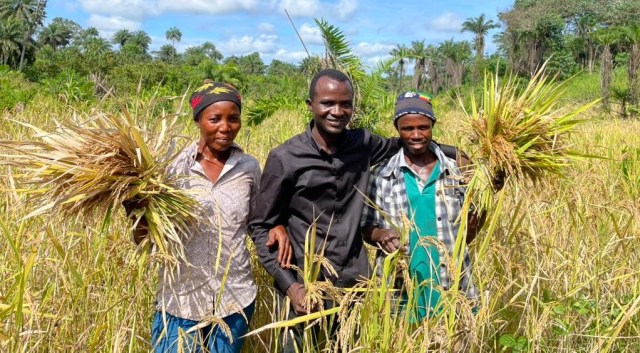
Through our local partner CCET-SL (Center for Community Empowerment & Transformation—Sierra Leone), Let Them Earn provides smallholder farmers with:
- Interest-free loans to expand their operations
- Year-round training on improved farming practices
- Classes on basic numeracy and small business management
After covering operating costs, setting aside family food, and repaying their loans, participants have net cash income to improve daily life and reinvest in their farms.
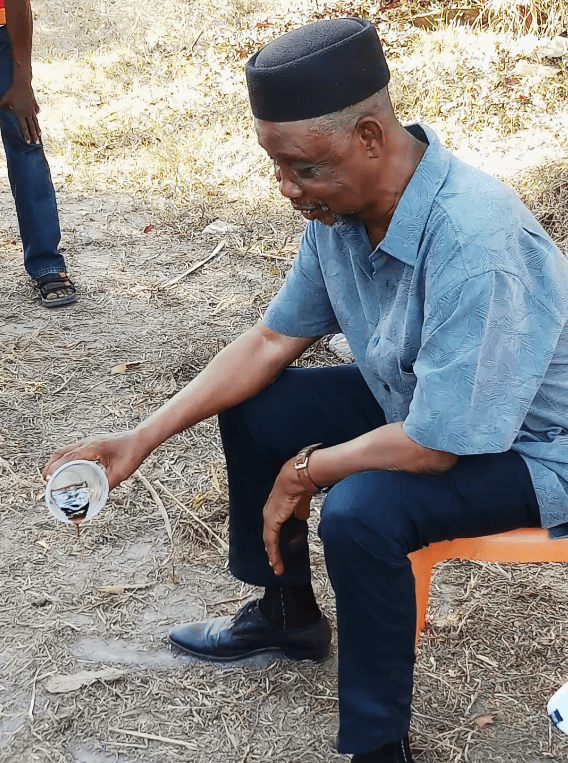
“This grant is a big leap forward that’s adding momentum to what we’re doing with village farmers,” said Bumpeh Chiefdom Paramount Chief Charles Caulker. below right with women farmers. “I want to create a culture of increased productivity where farmers continue to grow more, earn more, and villages lead their own development. I’m deeply grateful to the P&G Alumni Foundation for standing behind us with their support.”
Transforming Lives Through Economic Empowerment
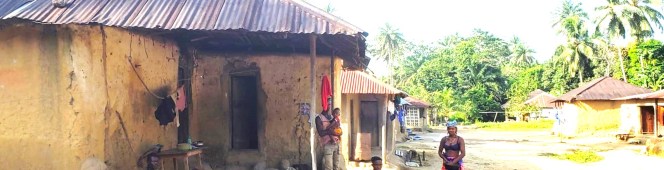
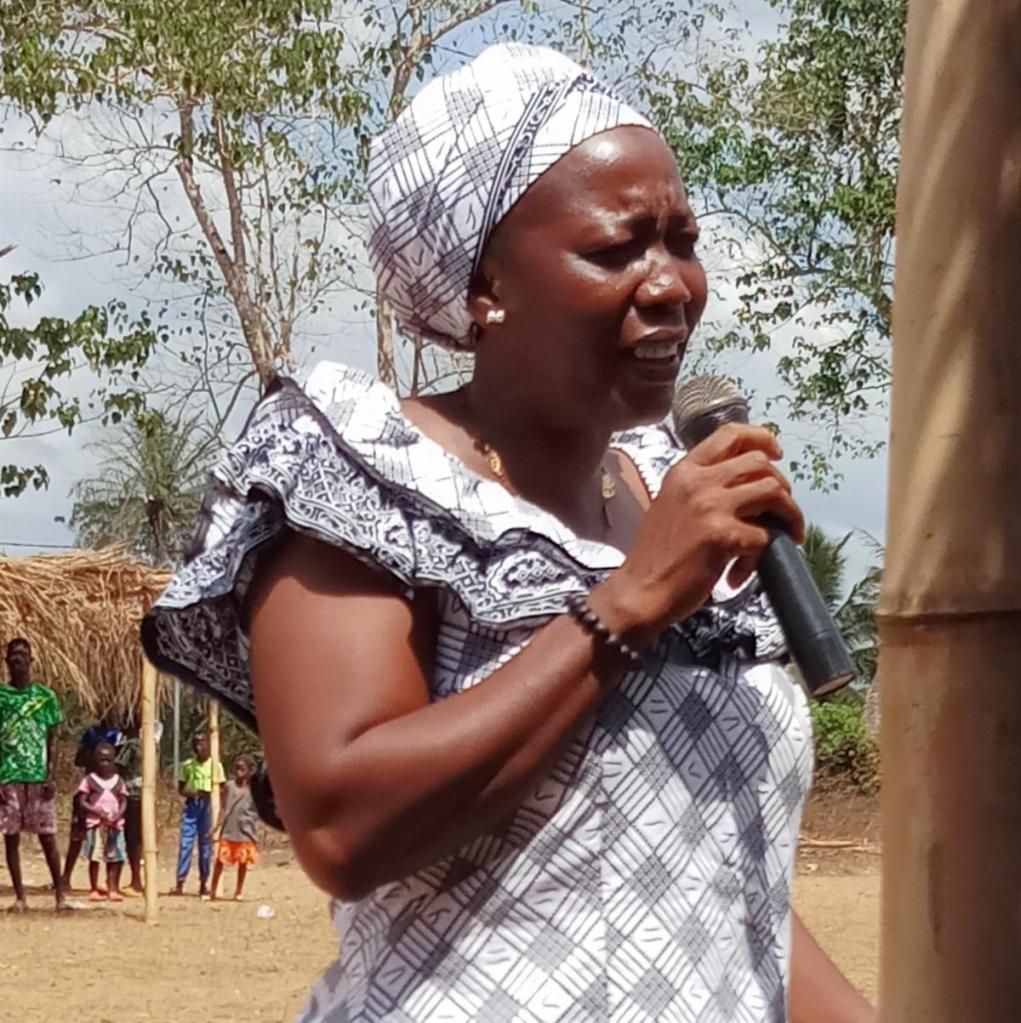
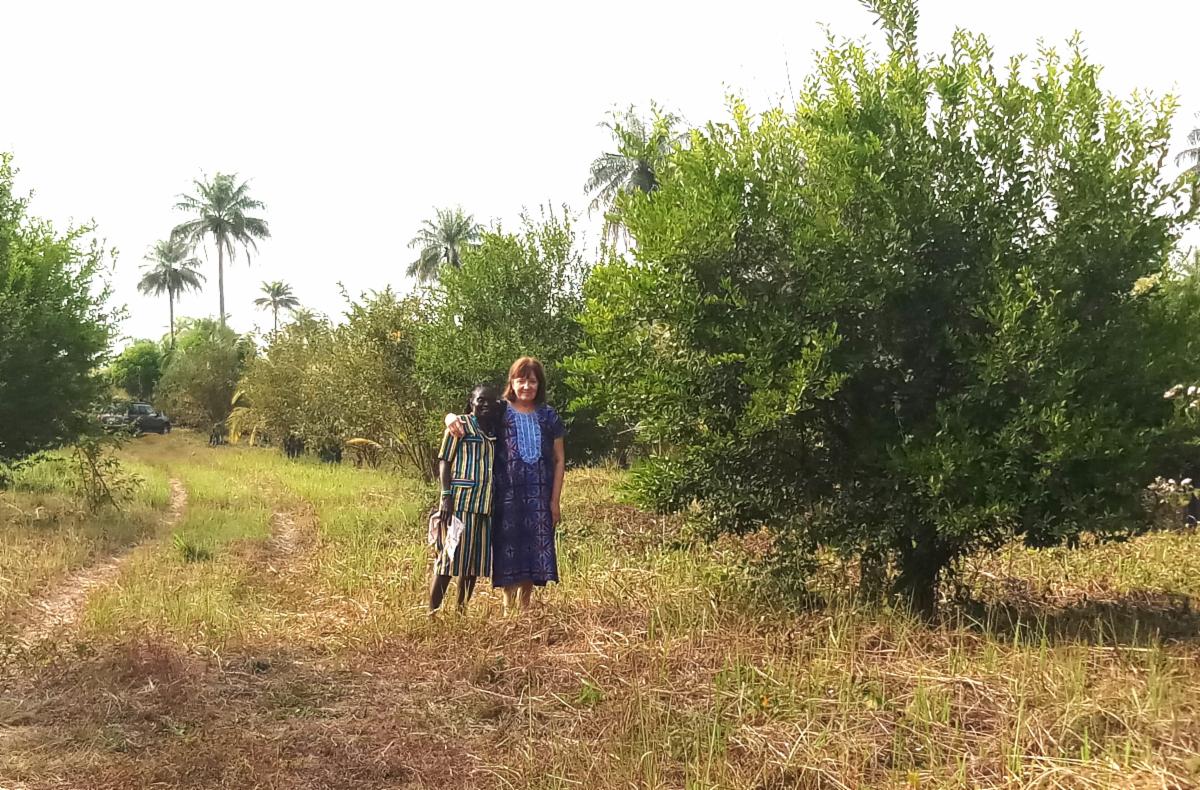
Musu Koroma, below, a mother of three, was one of the first farmers to join Let Them Earn. Last month, she showed me how new earnings from her loan changed her life. She reinforced her mud brick house with strong concrete stucco, safeguarding it for years to come from erosion and collapse in Sierra Leone’s heavy monsoon rains. She installed sturdy hardwood doors and windows that keep out rain and mosquitoes. With pride and confidence, Musu is now sending her son to secondary school in a larger town.
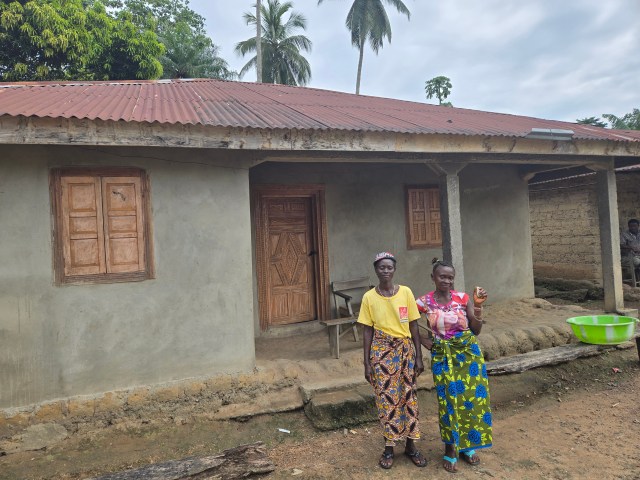
With earnings from her three-acre farm, Musu Koroma, above left, strengthened her house, before like the mud brick house next door.
“Let Them Earn has helped me so much,” Musu said. “I can now do things I never thought possible.”
Results Speak for Themselves
The impact has been dramatic. Families are sending children and grandchildren for higher levels of education. They have more food and can afford protein like fish, important for child development and disease resistance. Homes become safe and healthy places to live with dignity. Villages are becoming debt-free, and communities are rediscovering hope.
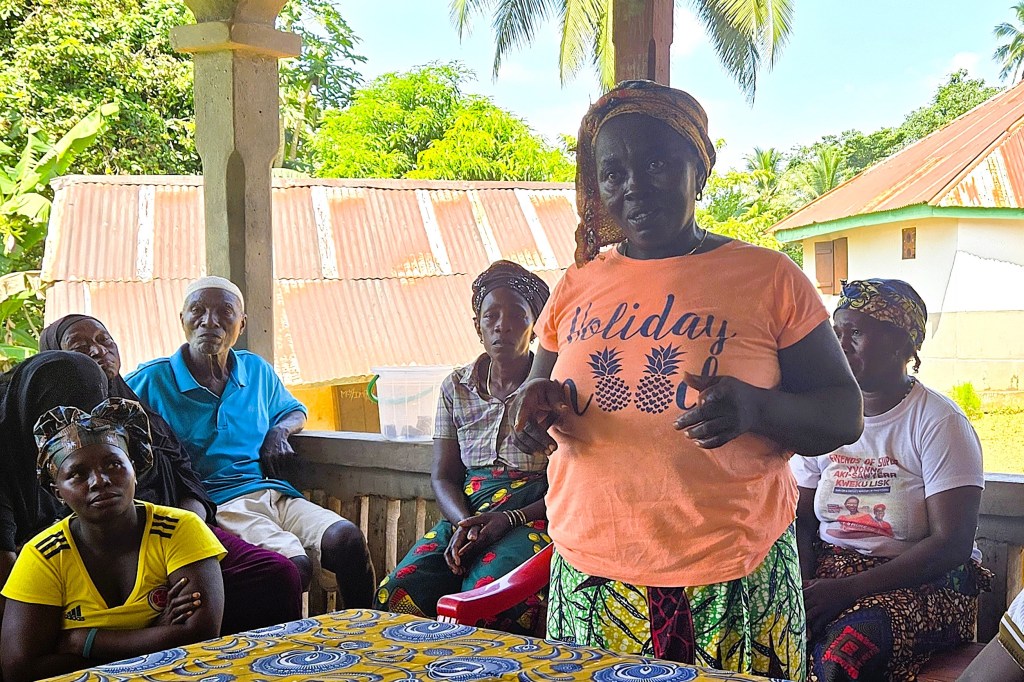
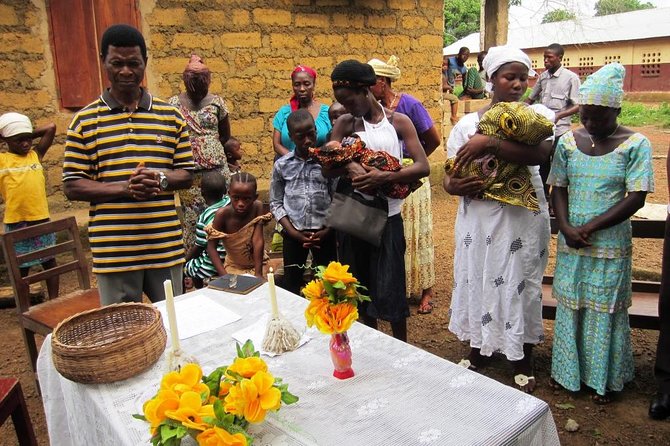
Aminata Sandy, above joined Let Them Earn after losing both her husband and the brother-in-law she became dependent on. With her loan, she hired labor for her farm, secured food for her children, and paid their school fees. As the loan recipient, she manages her farm and a household of eight. She’s repaid most of her loan, with the remainder coming with the year-end harvest.
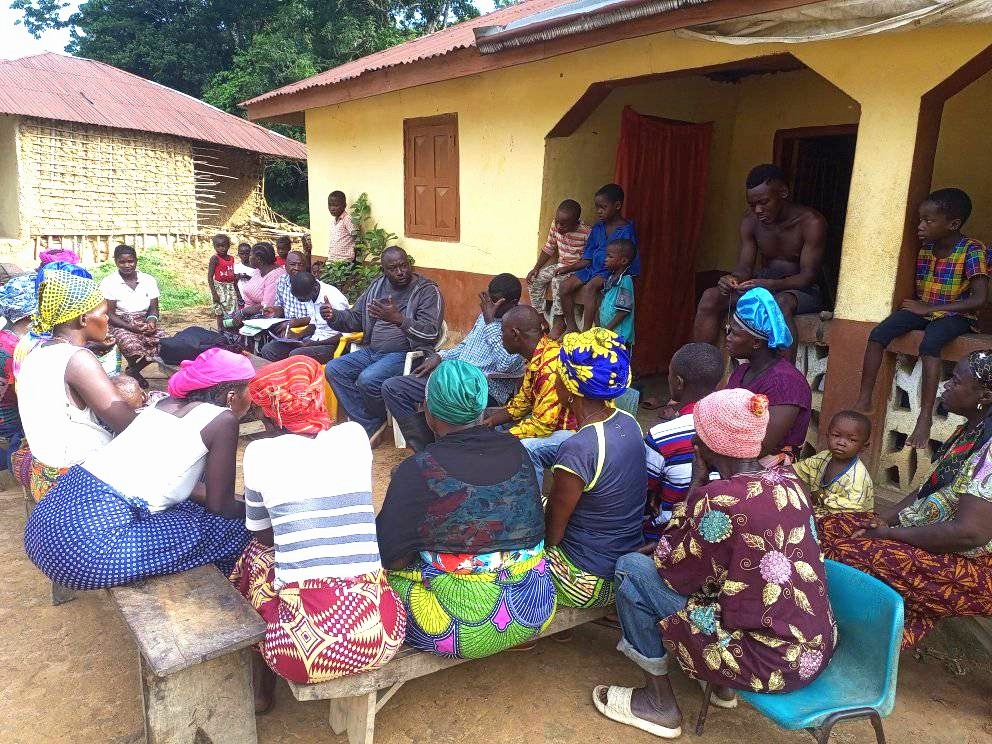
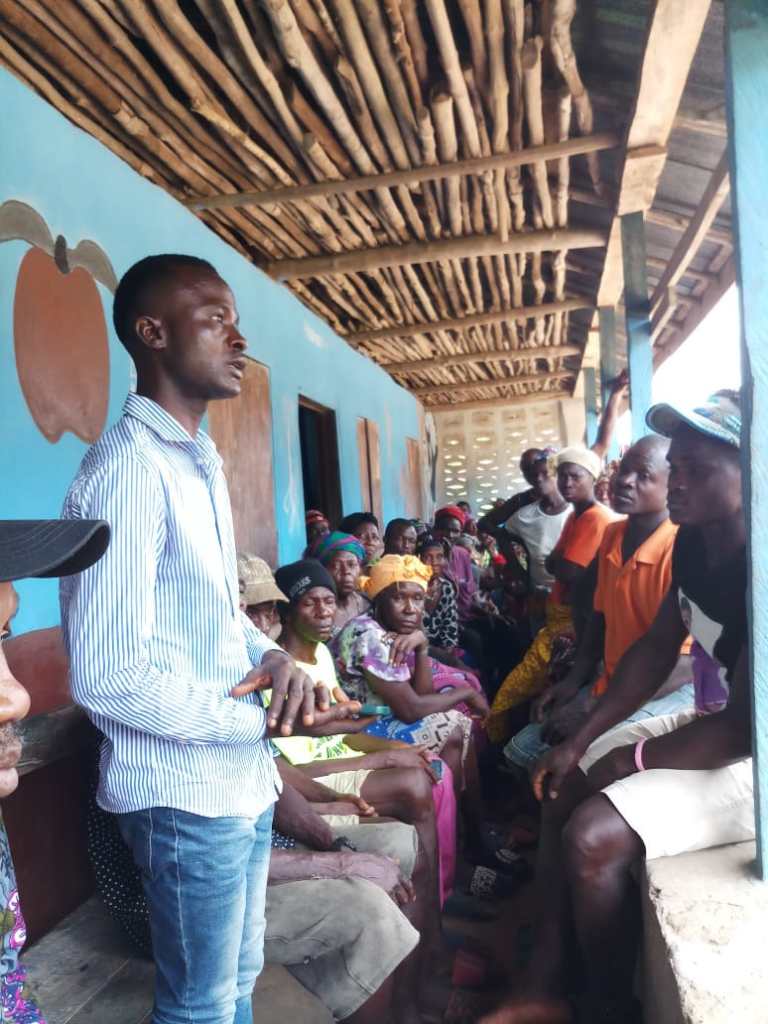
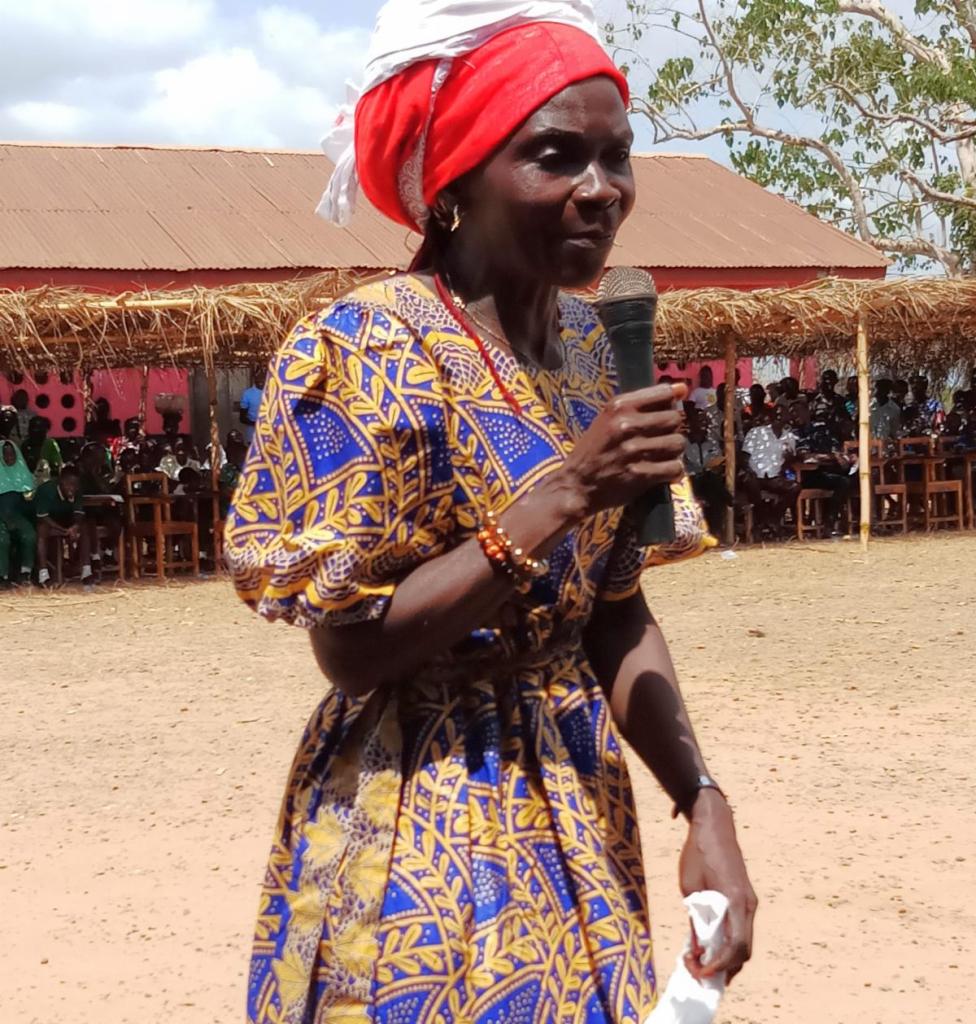
Aminata confidently stood up in front of her village and Paramount Chief Caulker to tell her story. When women are direct loan recipients, Let Them Earn empowers them to make farm and financial decisions. They’ve gained respect and a voice in managing their village.
Microfinance schemes in rural areas frequently fail. Our partner CCET-SL proudly reported 95+% of year one loans were repaid with the combination of interest-free loans and year-round training tailored to farmer needs. Year two Let Them Earn loan repayment promises to reach the same high level. Repaid loans are reloaned to the next group of farmers eager to improve their lives.
Why This Approach Works
After 14 years working with Sierra Leone, we’ve learned a vital truth: sustainable development doesn’t begin with what you construct — it begins with who you empower.
Schools, wells, and roads are important, but villages can’t develop or sustain growth unless individuals become economically self-reliant. Lasting change happens when you invest directly in people, giving them the means and skills to lift themselves out of poverty.
The Let Them Earn program brings together what truly works: financial access, practical skills, and local empowerment—helping farmers move from subsistence living to building viable, income-generating small businesses. Loans are repaid on schedules that match farm harvests.
Yes, it’s riskier to provide loans to subsistence farmers and small traders. It’s time-intensive to deliver hands-on training in remote villages and provide ongoing coaching. But this is what actually works. This is what moves people and entire communities beyond survival mode to genuine economic opportunity.
Sherbro Foundation sends our deep thanks to the P&G Alumni Foundation for their continued confidence and partnership in Let Them Earn. Year three of the project will bring even greater growth and opportunity to the villages of Bumpeh Chiefdom.
For program details: https://conta.cc/4oVfeom
You can help support Sierra Leone farmers: https://sherbrofoundation.org/donate/





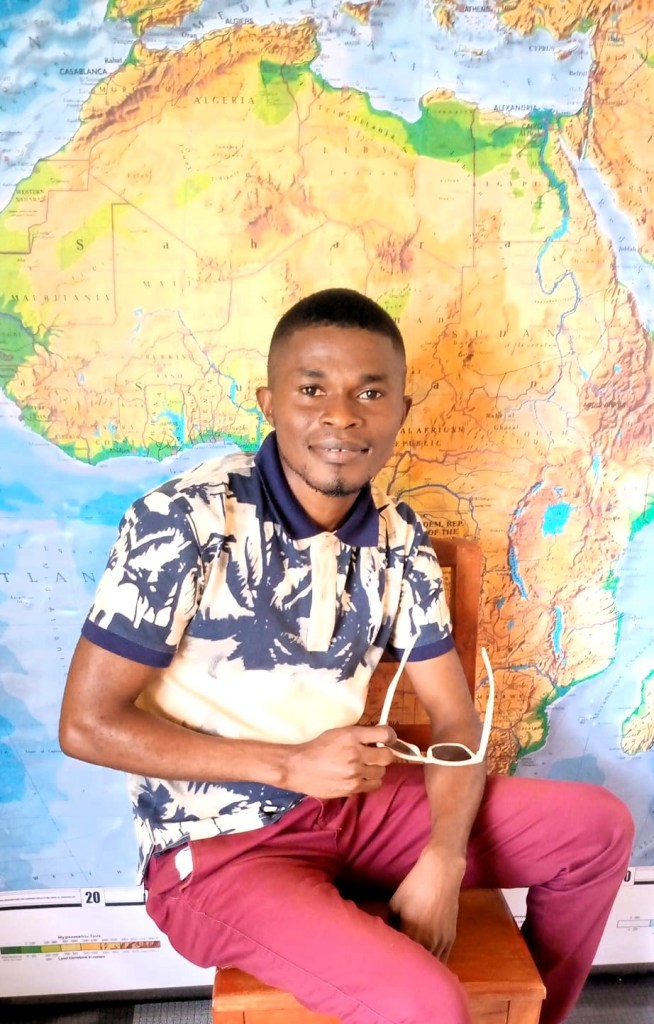
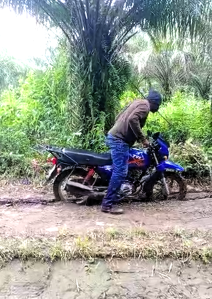 For Mustakin, this work transcends employment. “I’m here to create my own legacy,” he tells us. His commitment to the people of Bumpeh Chiefdom runs deep, driving him to push through the daily challenges of rural development work. Like getting to project sites on roads, left, he found even his motorbike had trouble passing in the rainy season.



















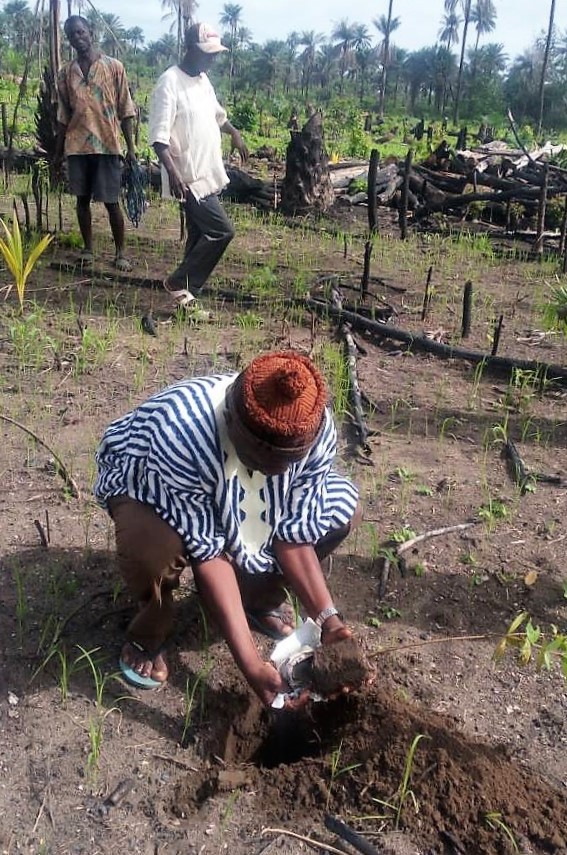 Chief Caulker, left, plants a lime tree seedling in 2017.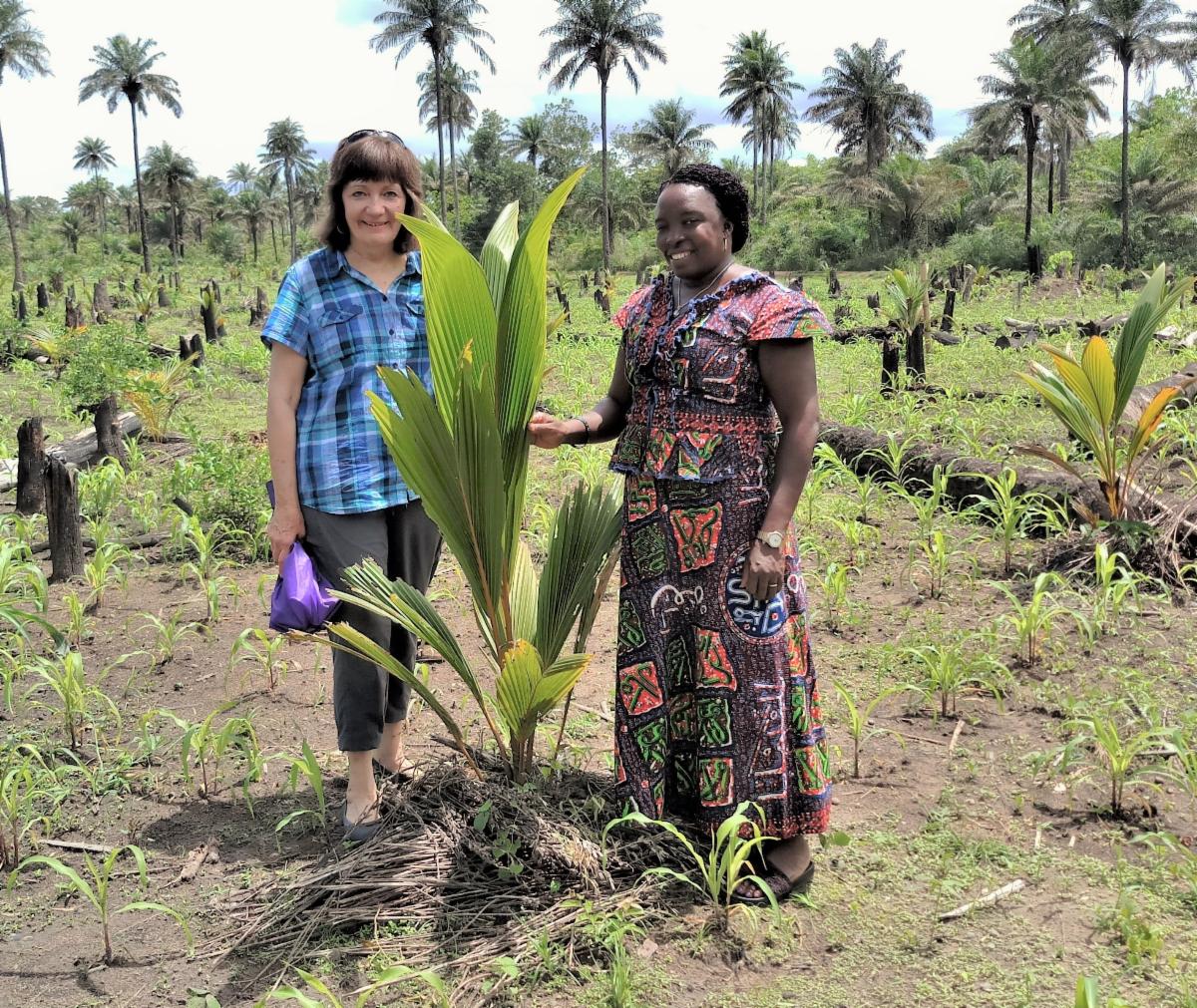
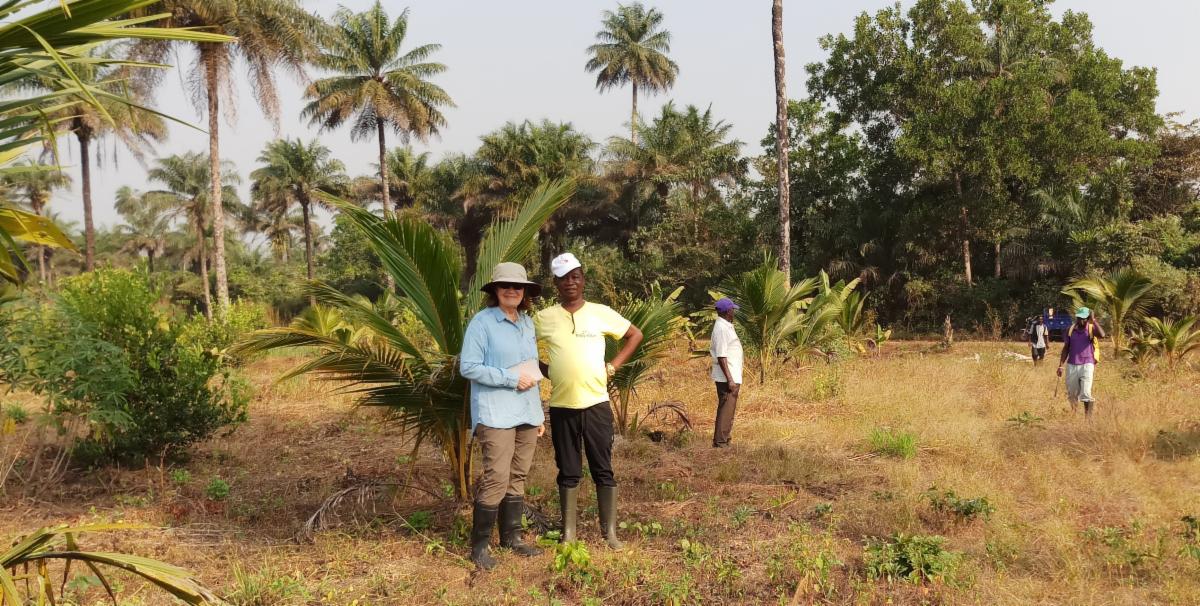
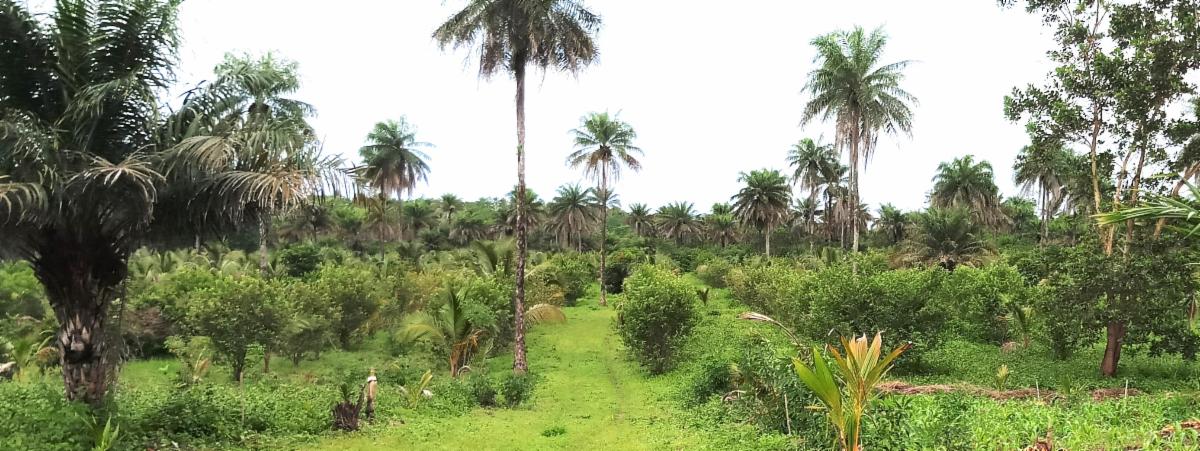
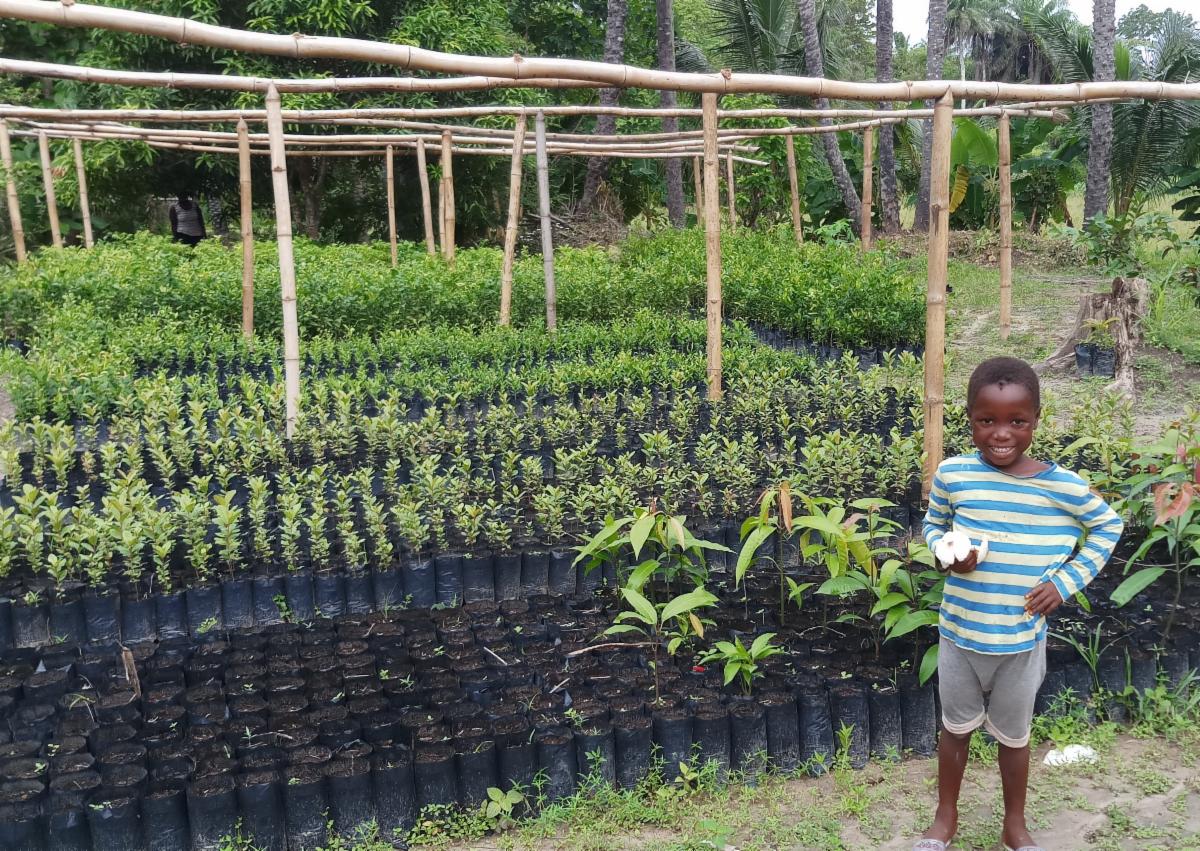
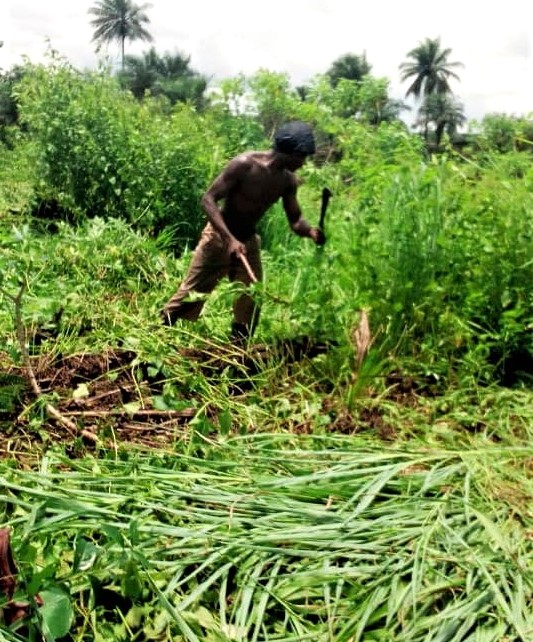 In tropical rainforest climate, everything wants to grow. Trees have a huge growth surge in the rainy season – as do the weeds! Workers spend weeks manually cutting back weeds three to four times a year, as well as watering young trees. Cut weeds become a natural mulch and add to soil fertility.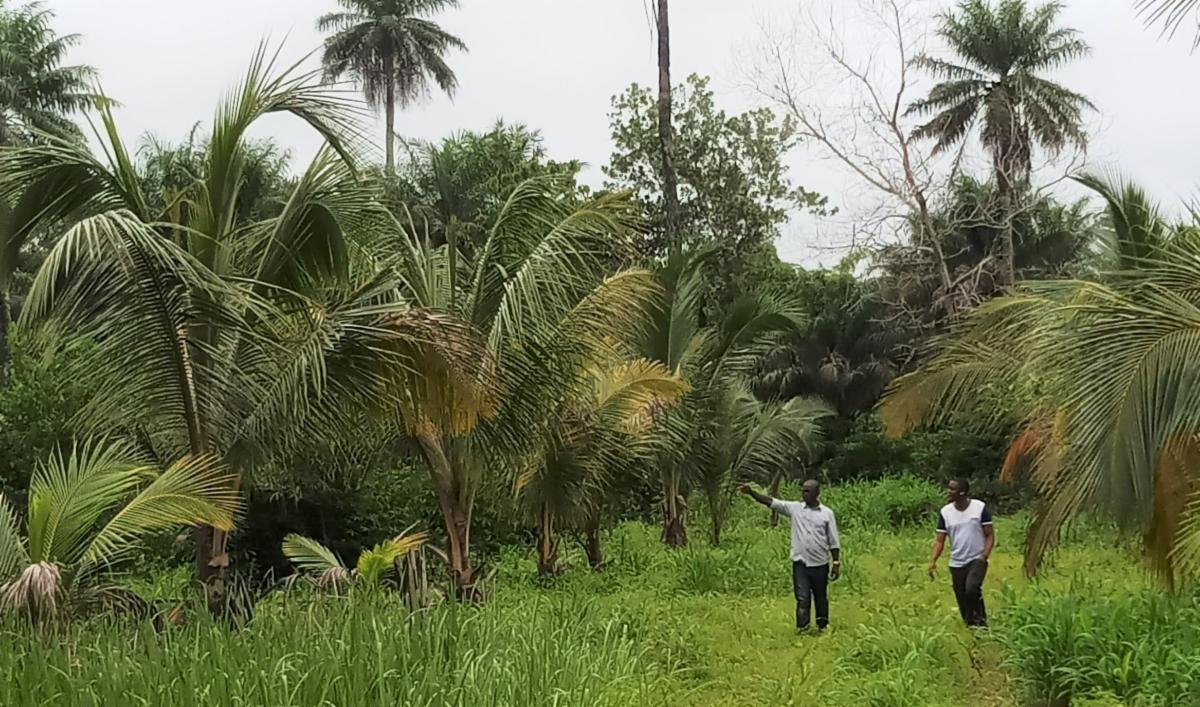



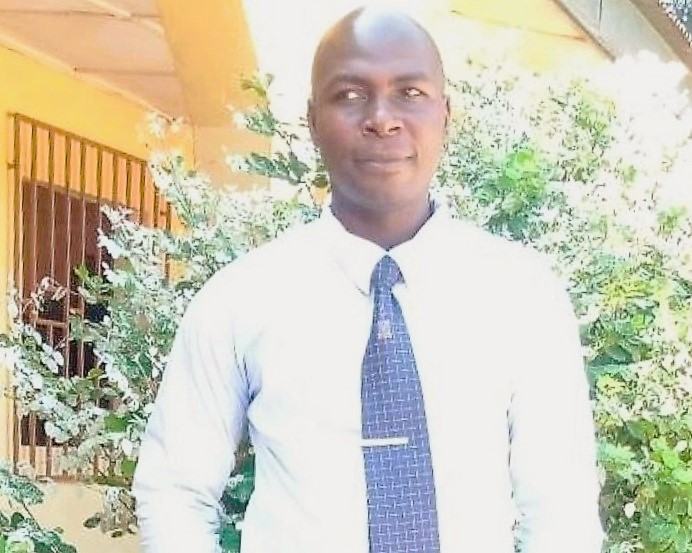 Ibrahim Bangura, left, waited a long time for his opportunity to get a bachelor’s degree in science education. Far too long. He qualified for university 18 years ago, soon after Sierra Leone’s rebel war ended. But he lost his father while in primary school, and his mother as a small market trader couldn’t help him.
 “All this while I have been doing community teaching, teaching mathematics and physics,” Ibrahim told me. “So, I have taught pupils at senior high who are now graduates in the fields of medicine, engineering, as well as professional teachers within science.”
 Tamba Kemoore Gborie is another MMTU student awarded a scholarship. He attended the Bo Government Secondary School, one of the oldest boys’ high schools in the country, and one of the few offering the full science curriculum. From there, Gborie said, “I started growing my love for science subjects.”
 A young woman from Rotifunk started medical school this fall with our third Saa Chakporna scholarship. Aminata Kanu completed two years of premedical science courses at the University of Sierra Leone and was admitted as a full medical student.
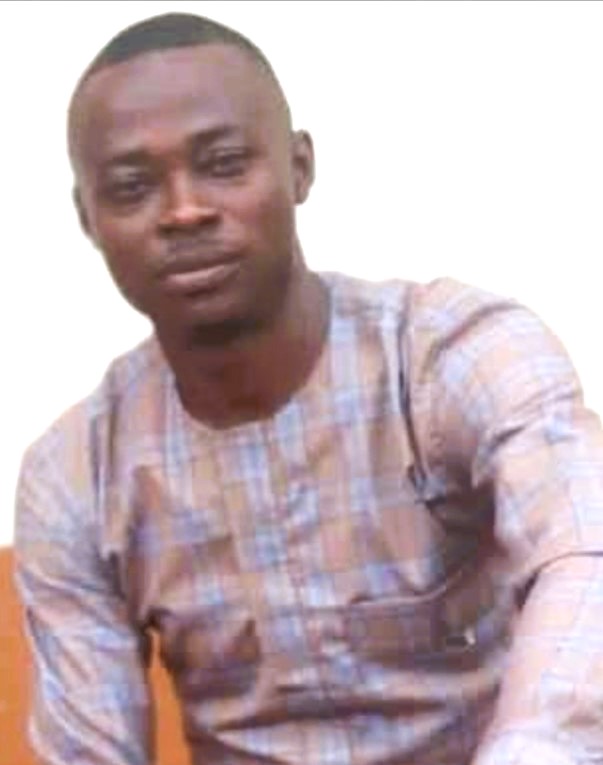 Another Rotifunk resident is pursuing primary care medicine as a community health officer. Gibril Bendu will be at the front line of health care when he completes his degree funded by the Sherbro Foundation board.
 We anxiously await Tommy Sankoh finishing his degree in agricultural economics at Njala University. With his return to Rotifunk, he’ll advise CCET-SL on its agriculture program and teach high school students and local farmers improved growing techniques and developing farming as a business.
 Rotifunk, the chiefdom’s headquarters town, was typical in seeing only about 30% of teens make it to junior high.
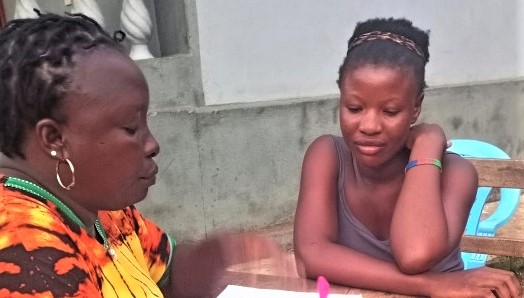
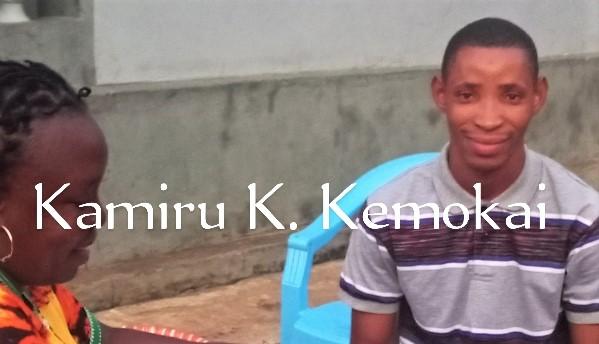 When his father died, Kamiru, left, waited three years after graduating high school before the CCET-SL program was available to help him repeat the WASSCE exam.


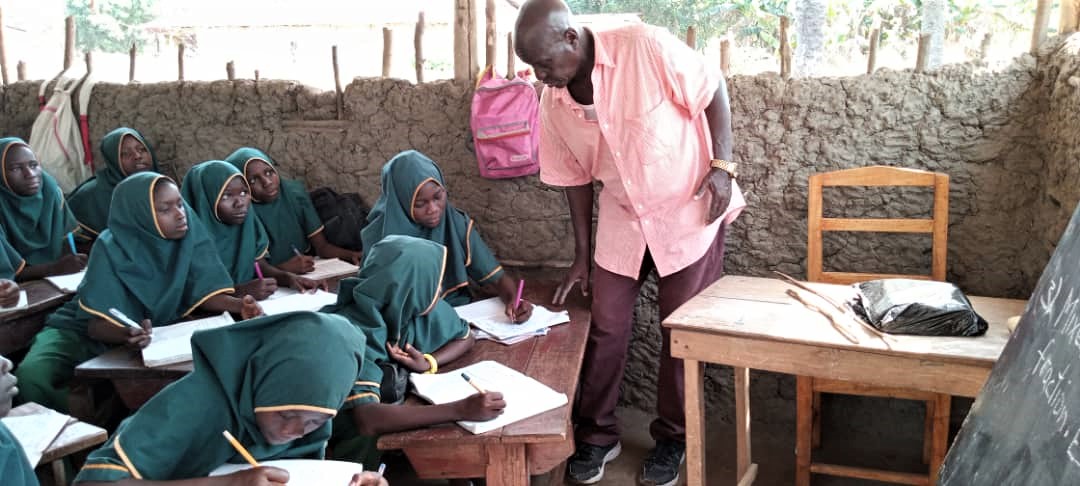
 Sometimes a principal just hands new teachers a book and sends them to a class to teach. The principal often teaches full time themselves and has little time to monitor or coach a young teacher.
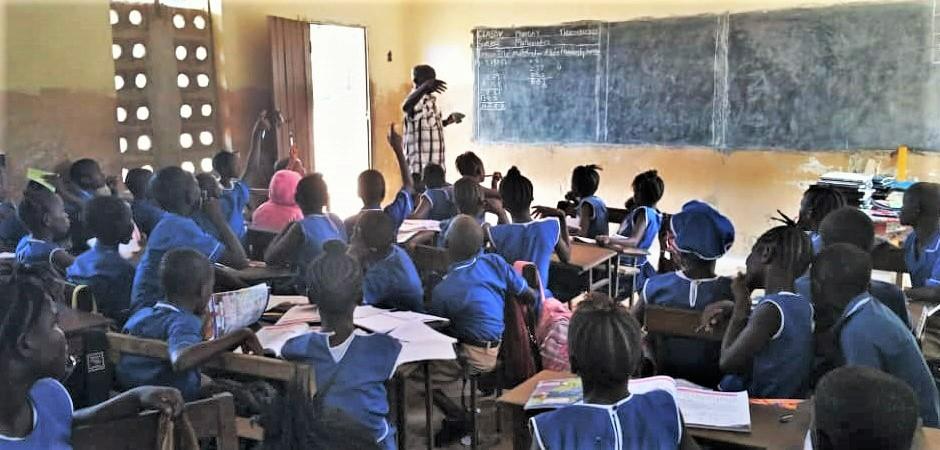
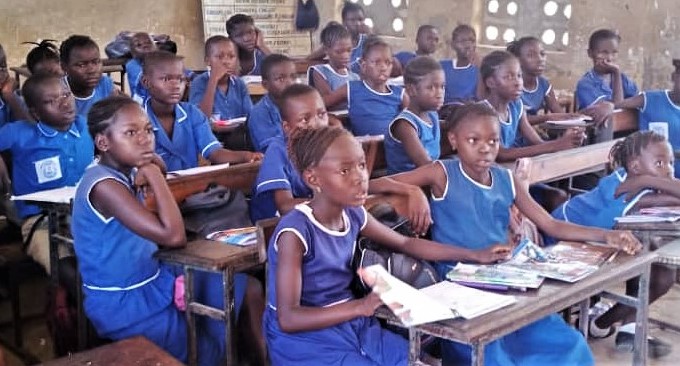 Too often these young impressionable students see the opposite – young people who dropped out of school and with the little money they earned bought cheap cell phones and flashy clothes.
 Tutorial Programs
 Primary School Tutorials
 Vocational Scholarships
 Teacher Training Scholarships
 Nursing & University Scholarships
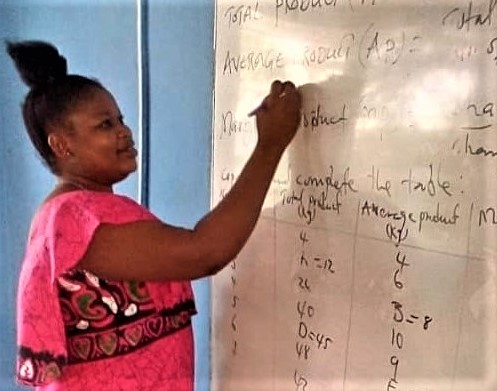 Today, Kadiatu, left, is in the first group of teachers Sherbro Foundation is returning to school to pursue their HTC – the Higher Teacher’s Certificate.
 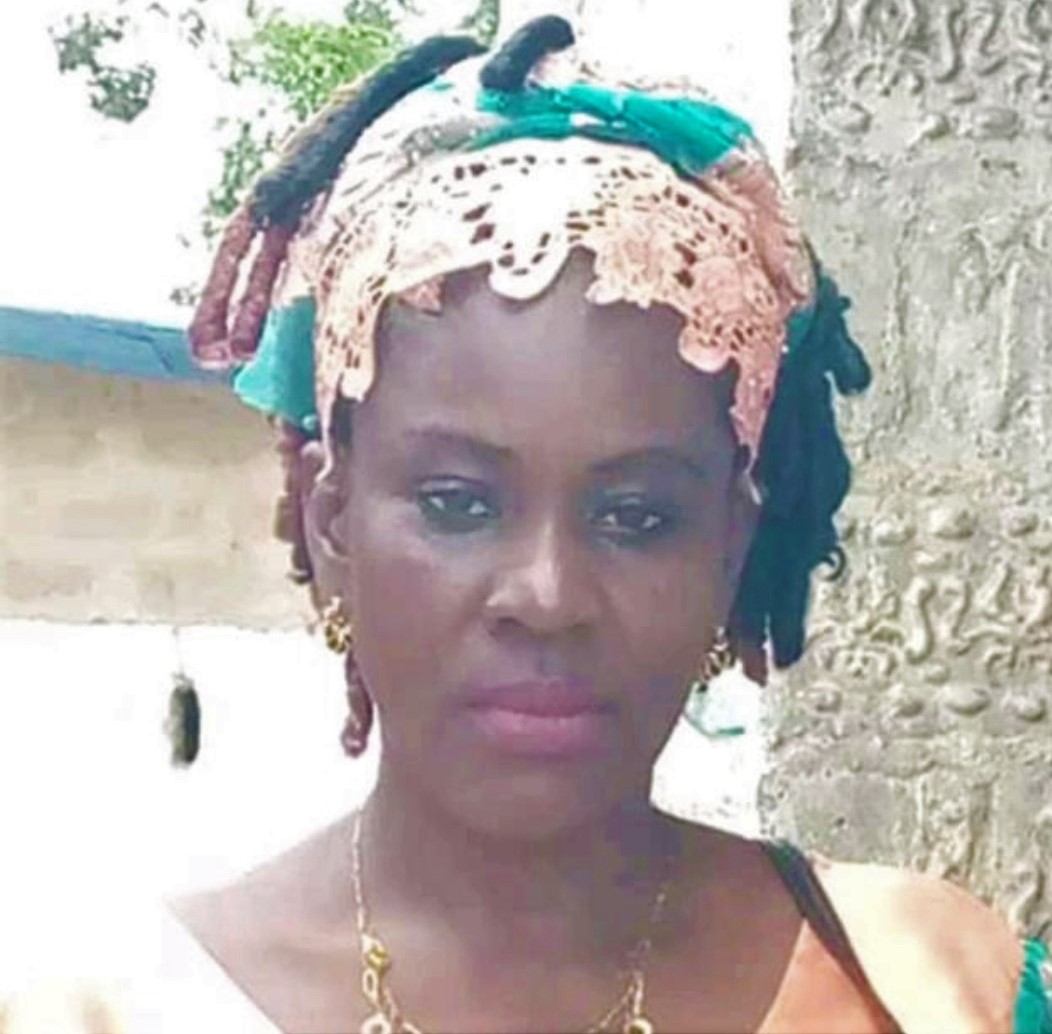 Salamatu, left, another scholarship recipient, was born and raised in Rotifunk, and has been a primary school teacher there for nearly 20 years. We didn’t know just how important – and urgent – it was to open the door to higher education for her with a scholarship right now.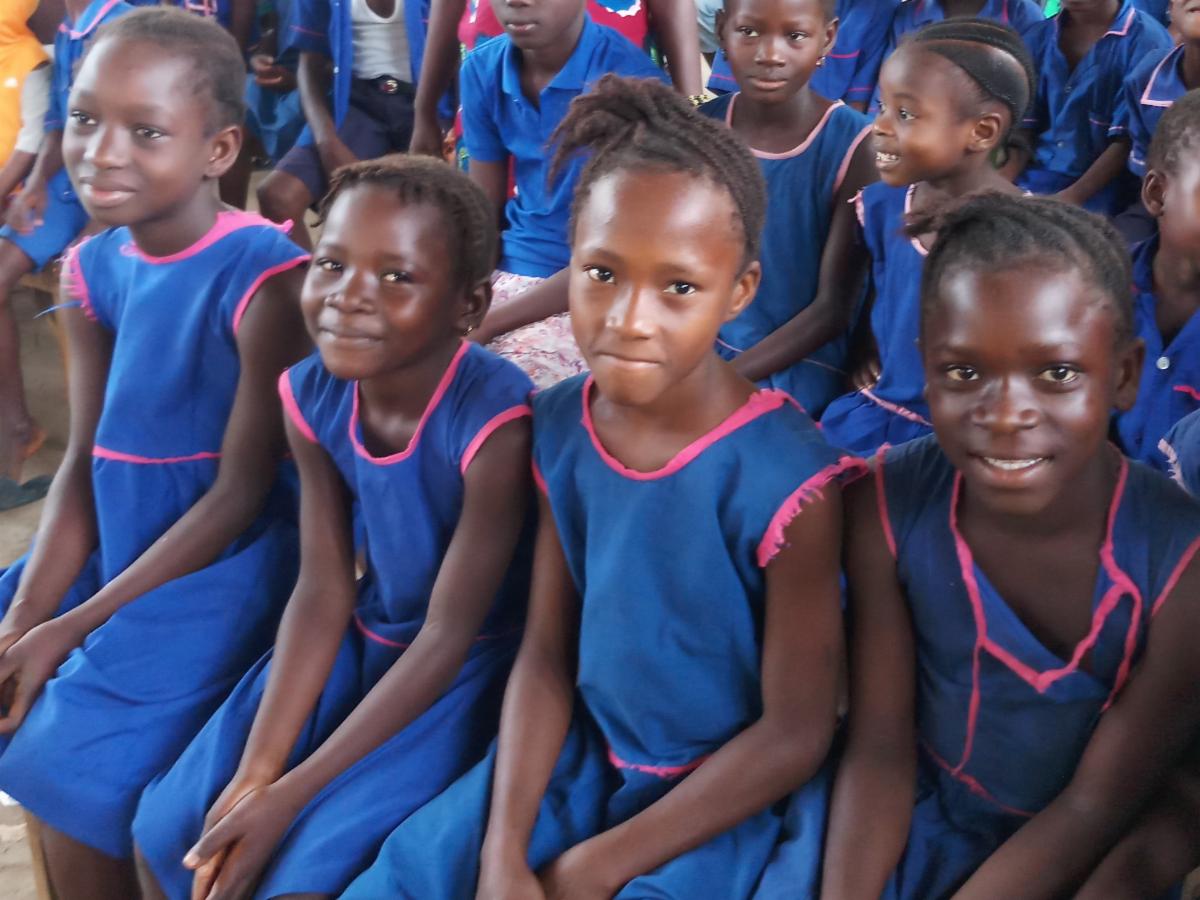
 Salamatu’s story as a teacher goes back 25 years.
 They’re women like Yeama, left, who could be on her way to becoming “middle class” in her subsistence society.
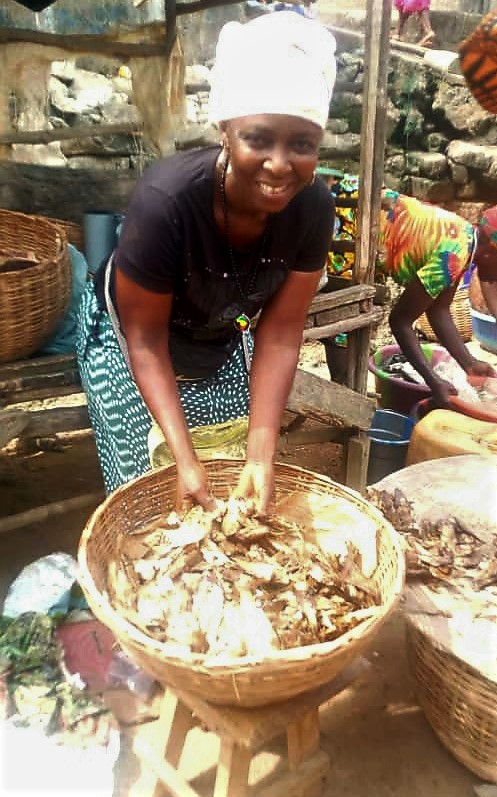 The women needed instant capitalization to bring more earnings home that improve their daily lives, as well as save. Soon, 40 more traders were added, 20 of them “fish mongers,” like Marie left, who buy dried fish from fishing villages to sell in Rotifunk.
 One invigorated trader is Zainab, left, who had to drop out of school at the 9th grade. She was forced into an early marriage because her family could no longer feed her at home.
  Adama, left, works very hard at her new opportunity. One of her husband’s two wives, she was forced to provide for her five children alone. The four oldest were married off young because she couldn’t afford to support them.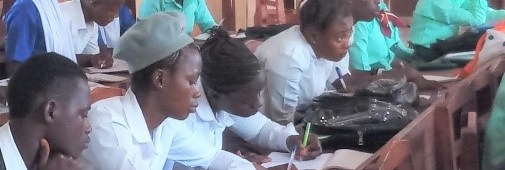
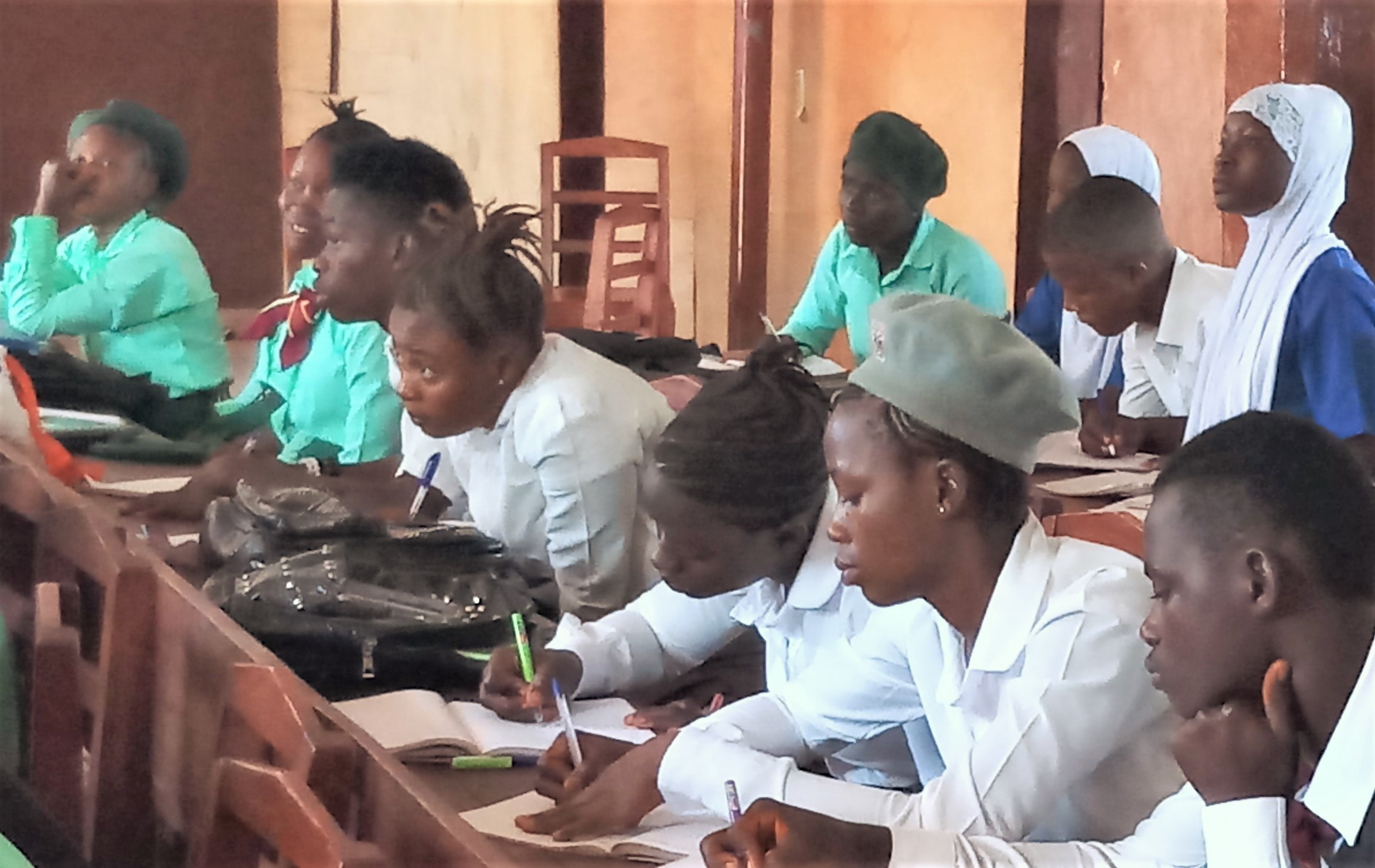
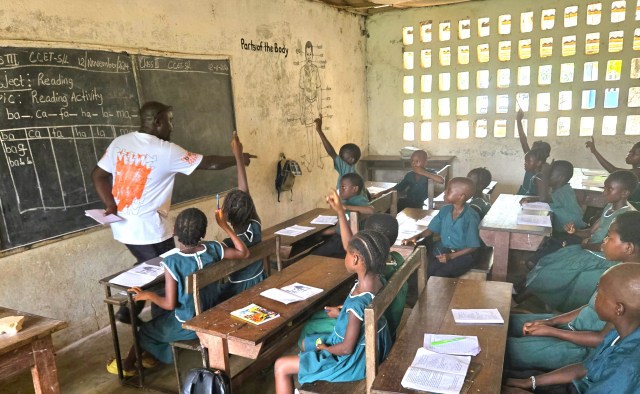
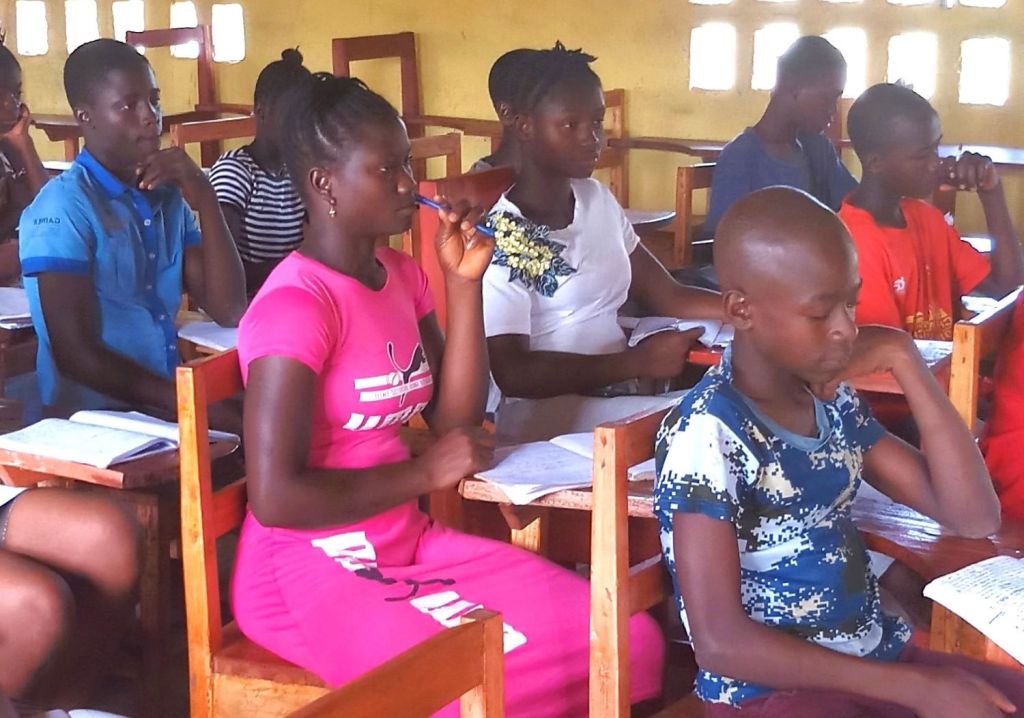
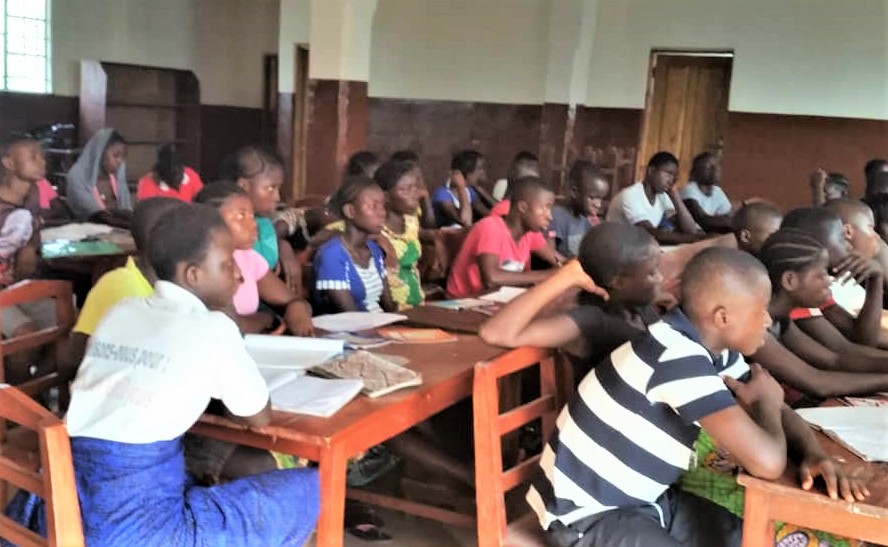 With Sherbro Foundation funding, 9th and 12th grade students came in droves for this free extra help. CCET-SL had to limit enrollment to the capacity of the CCET-SL education center, about 75 students at a time.
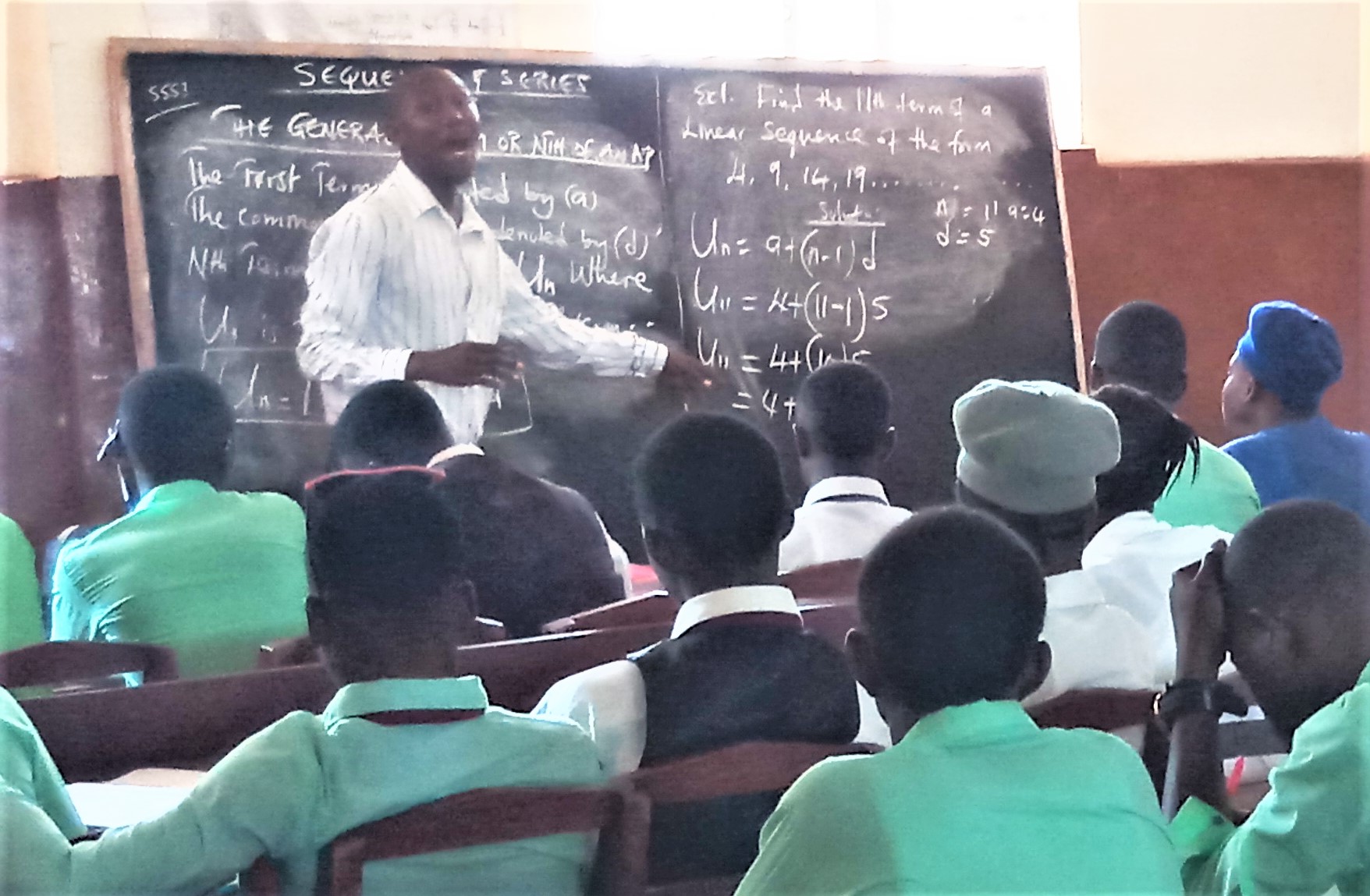 The best qualified local teachers combine forces in extra classes for students from three schools.

 Sherbro Foundation