
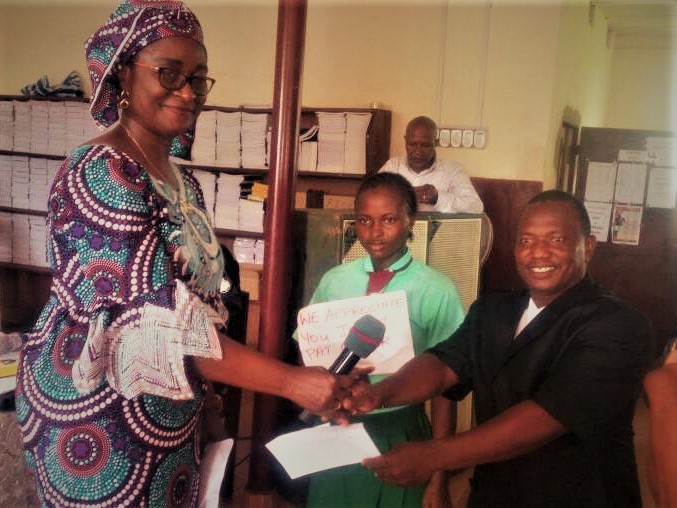
Sherbro Foundation is honored to announce that the Procter & Gamble Alumni Foundation Fund of the Greater Cincinnati Foundation has awarded us a grant to expand our transformative Let Them Earn project in Sierra Leone. With this funding, 50 more Bumpeh Chiefdom village farmers (majority women) can replicate the success of early participants improving their incomes, livelihoods, and futures.
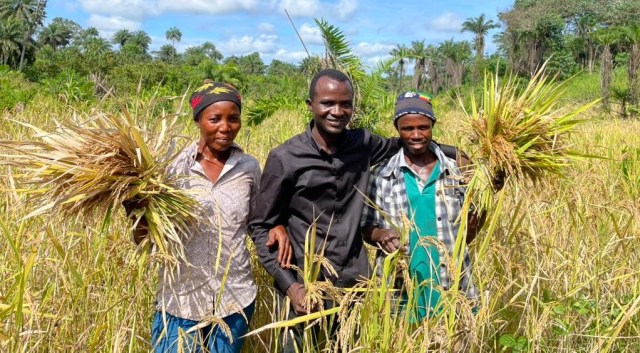
Through our local partner CCET-SL (Center for Community Empowerment & Transformation—Sierra Leone), Let Them Earn provides smallholder farmers with:
- Interest-free loans to expand their operations
- Year-round training on improved farming practices
- Classes on basic numeracy and small business management
After covering operating costs, setting aside family food, and repaying their loans, participants have net cash income to improve daily life and reinvest in their farms.
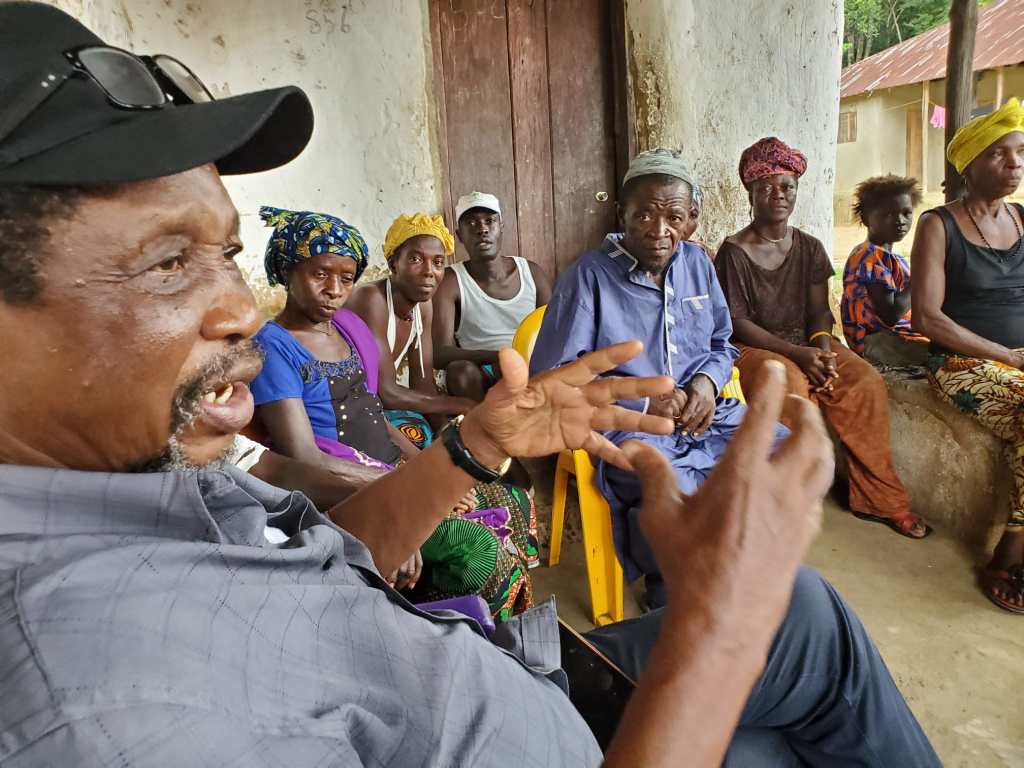
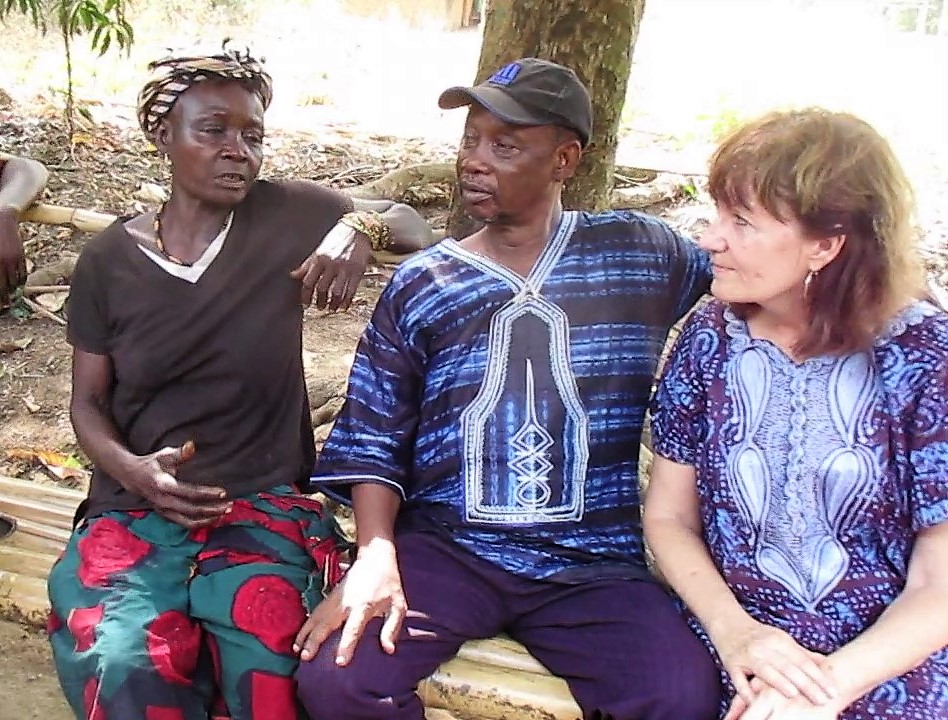
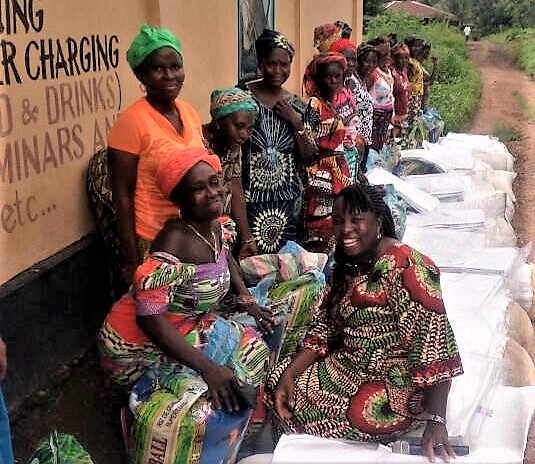
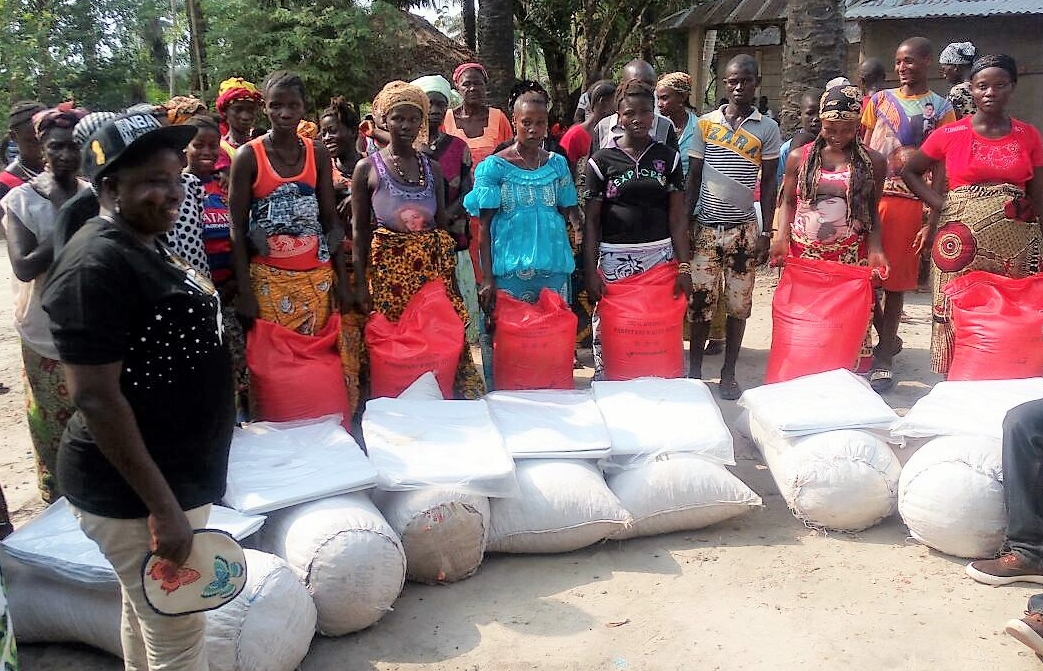
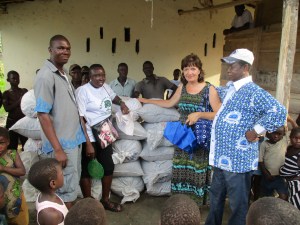
“This grant is a big leap forward that’s adding momentum to what we’re doing with village farmers,” said Bumpeh Chiefdom Paramount Chief Charles Caulker. below right with women farmers. “I want to create a culture of increased productivity where farmers continue to grow more, earn more, and villages lead their own development. I’m deeply grateful to the P&G Alumni Foundation for standing behind us with their support.”
Transforming Lives Through Economic Empowerment
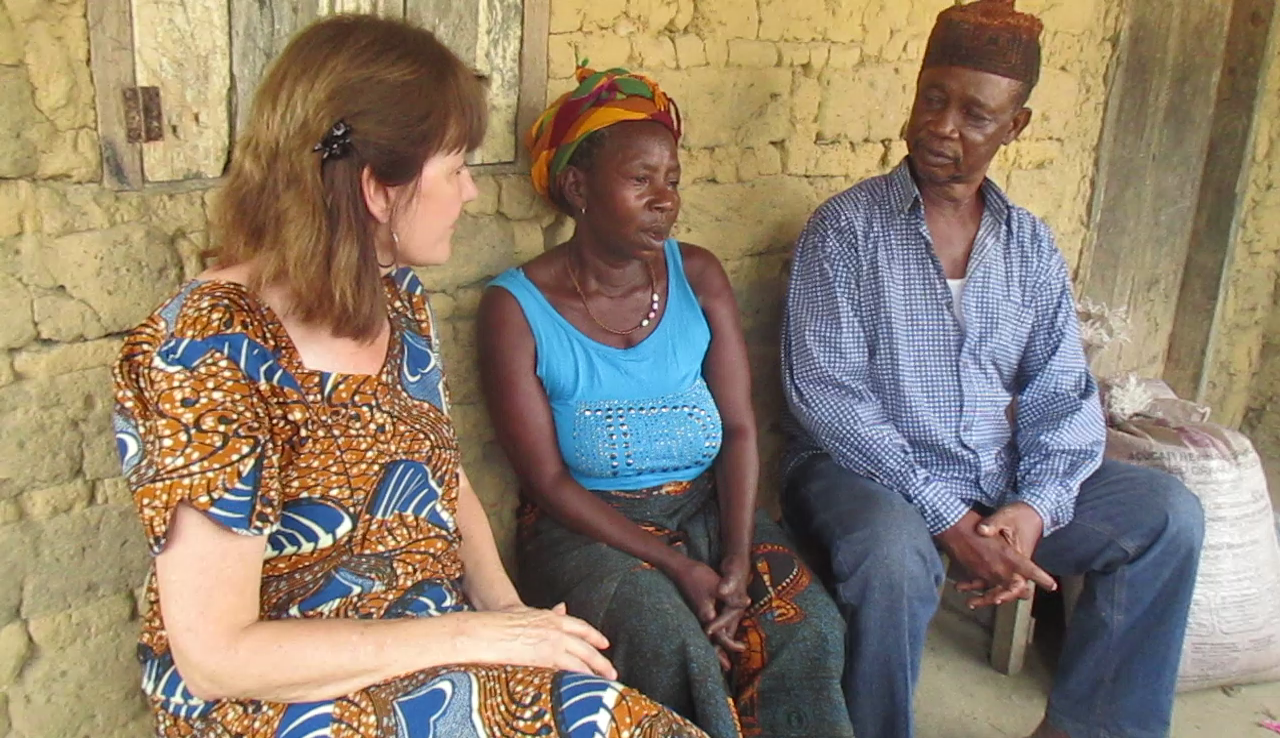
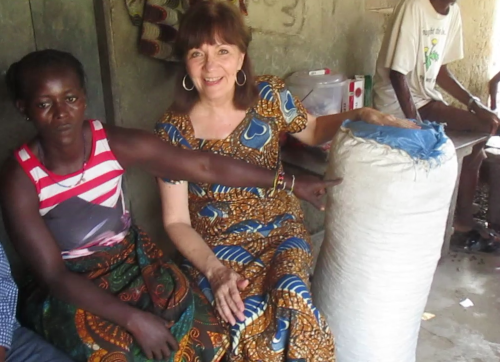
Musu Koroma, below, a mother of three, was one of the first farmers to join Let Them Earn. Last month, she showed me how new earnings from her loan changed her life. She reinforced her mud brick house with strong concrete stucco, safeguarding it for years to come from erosion and collapse in Sierra Leone’s heavy monsoon rains. She installed sturdy hardwood doors and windows that keep out rain and mosquitoes. With pride and confidence, Musu is now sending her son to secondary school in a larger town.
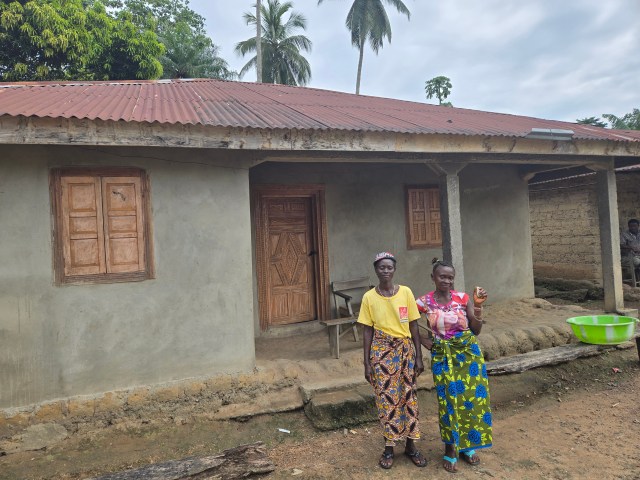
With earnings from her three-acre farm, Musu Koroma, above left, strengthened her house, before like the mud brick house next door.
“Let Them Earn has helped me so much,” Musu said. “I can now do things I never thought possible.”
Results Speak for Themselves
The impact has been dramatic. Families are sending children and grandchildren for higher levels of education. They have more food and can afford protein like fish, important for child development and disease resistance. Homes become safe and healthy places to live with dignity. Villages are becoming debt-free, and communities are rediscovering hope.
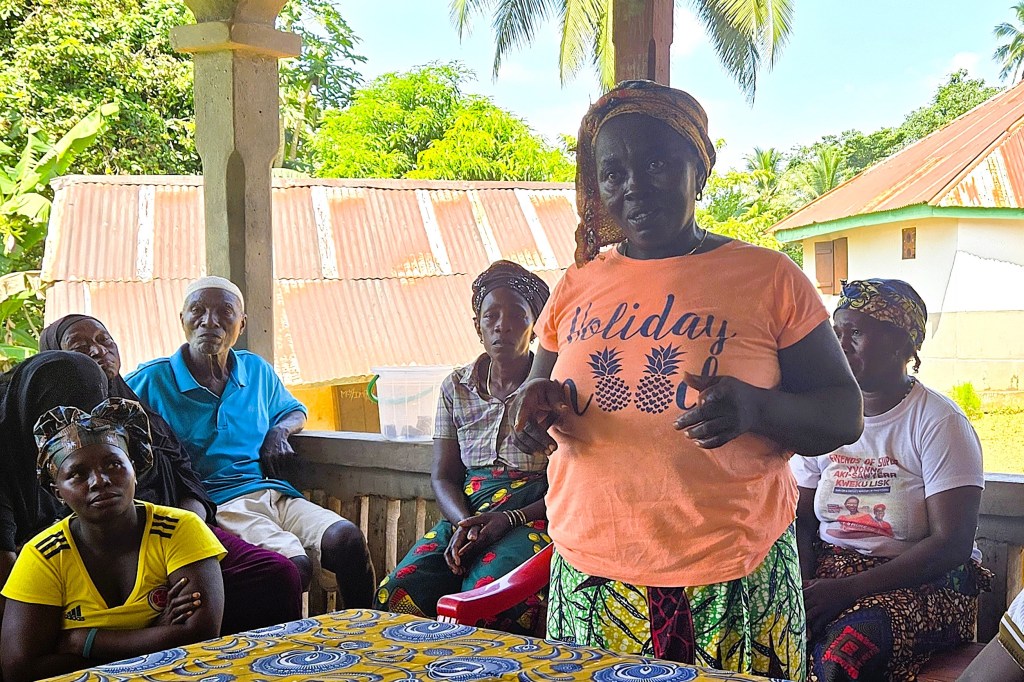
Aminata Sandy, above joined Let Them Earn after losing both her husband and the brother-in-law she became dependent on. With her loan, she hired labor for her farm, secured food for her children, and paid their school fees. As the loan recipient, she manages her farm and a household of eight. She’s repaid most of her loan, with the remainder coming with the year-end harvest.
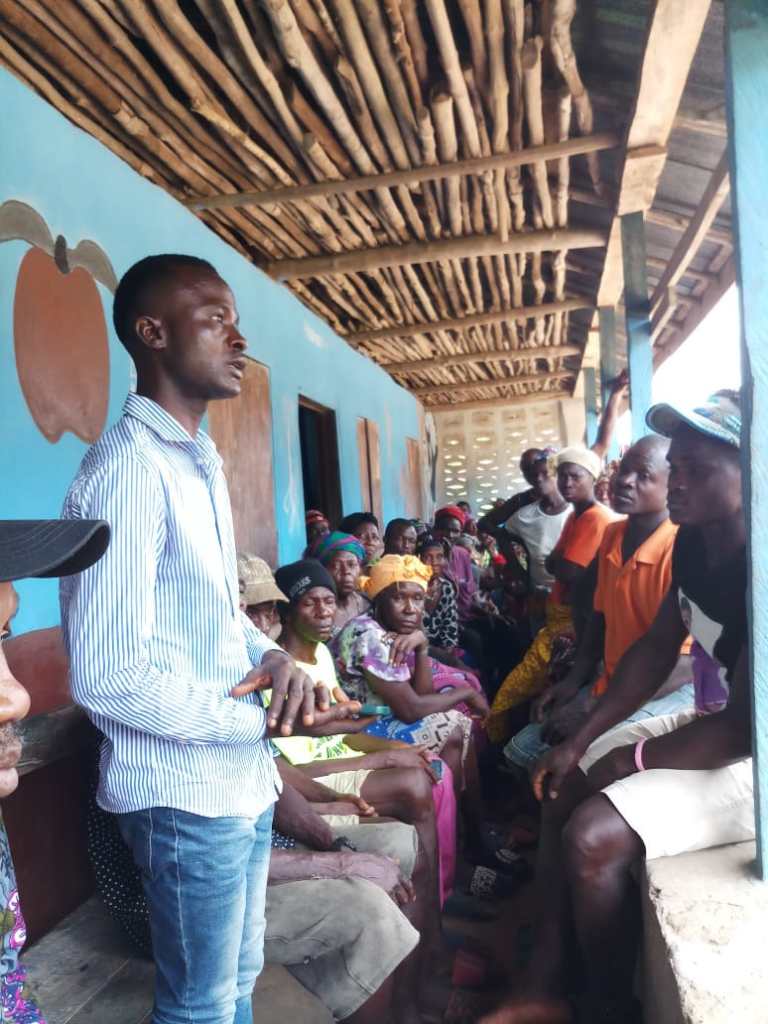
Aminata confidently stood up in front of her village and Paramount Chief Caulker to tell her story. When women are direct loan recipients, Let Them Earn empowers them to make farm and financial decisions. They’ve gained respect and a voice in managing their village.
Microfinance schemes in rural areas frequently fail. Our partner CCET-SL proudly reported 95+% of year one loans were repaid with the combination of interest-free loans and year-round training tailored to farmer needs. Year two Let Them Earn loan repayment promises to reach the same high level. Repaid loans are reloaned to the next group of farmers eager to improve their lives.
Why This Approach Works
After 14 years working with Sierra Leone, we’ve learned a vital truth: sustainable development doesn’t begin with what you construct — it begins with who you empower.
Schools, wells, and roads are important, but villages can’t develop or sustain growth unless individuals become economically self-reliant. Lasting change happens when you invest directly in people, giving them the means and skills to lift themselves out of poverty.
The Let Them Earn program brings together what truly works: financial access, practical skills, and local empowerment—helping farmers move from subsistence living to building viable, income-generating small businesses. Loans are repaid on schedules that match farm harvests.
Yes, it’s riskier to provide loans to subsistence farmers and small traders. It’s time-intensive to deliver hands-on training in remote villages and provide ongoing coaching. But this is what actually works. This is what moves people and entire communities beyond survival mode to genuine economic opportunity.
Sherbro Foundation sends our deep thanks to the P&G Alumni Foundation for their continued confidence and partnership in Let Them Earn. Year three of the project will bring even greater growth and opportunity to the villages of Bumpeh Chiefdom.
For program details: https://conta.cc/4oVfeom
You can help support Sierra Leone farmers: https://sherbrofoundation.org/donate/




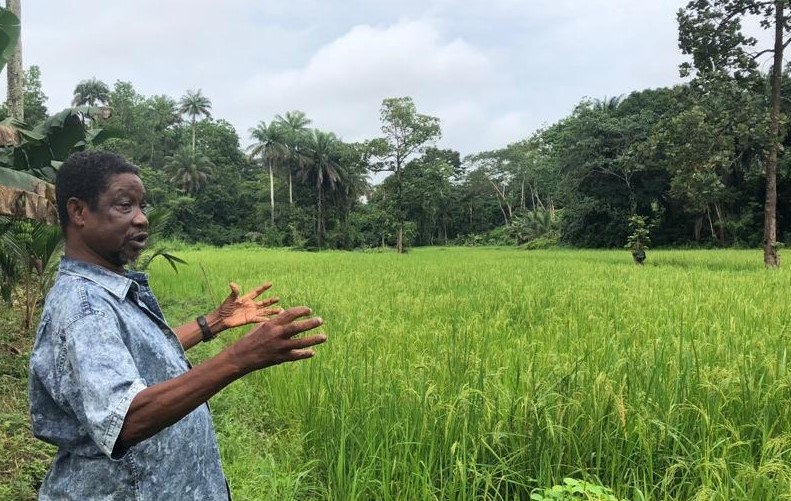


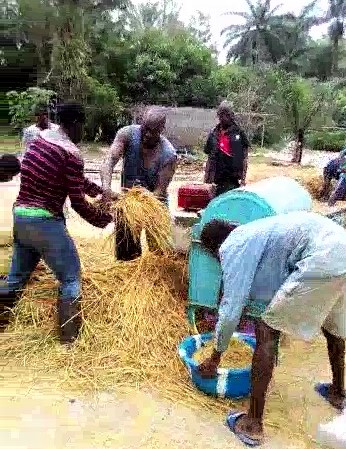 Seven acres of IVS rice, above, were just harvested in what proved to be a bumper crop.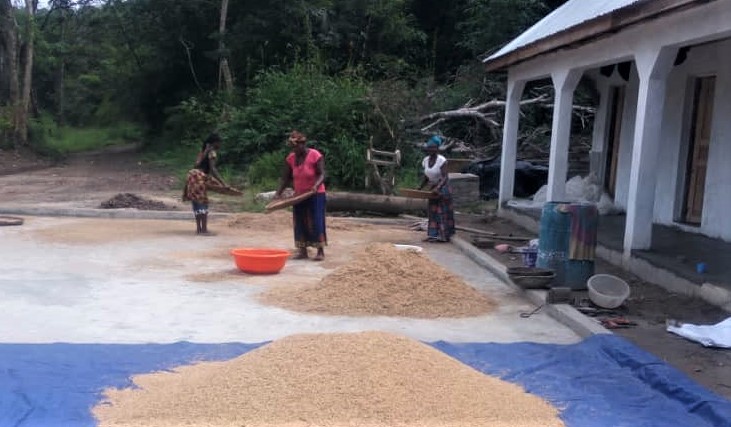


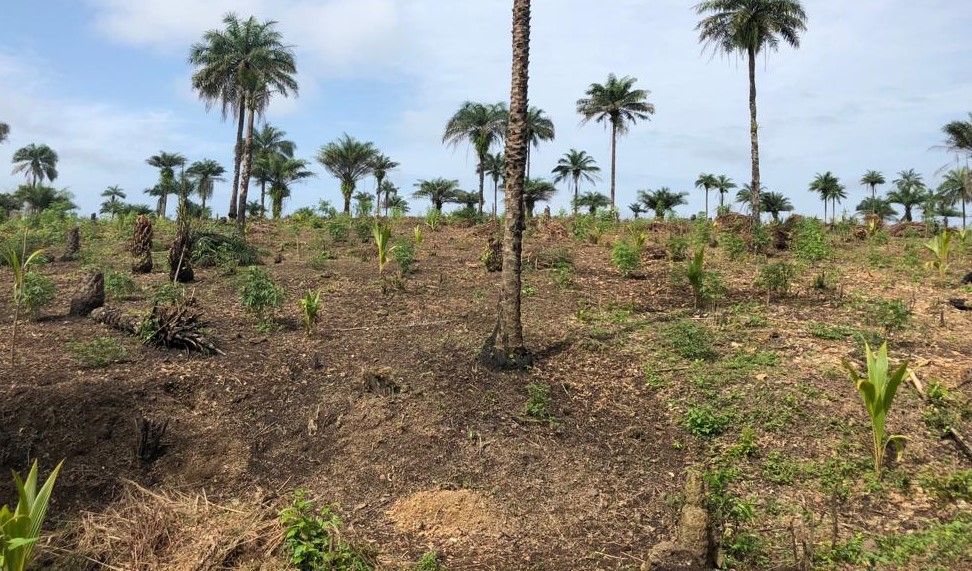 The third, most recent orchard was planted in June-July of this year
 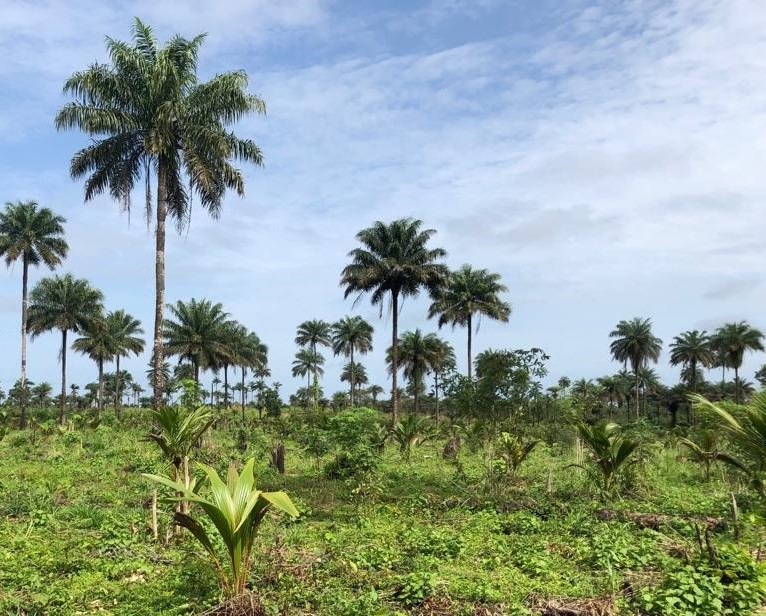 Trees in the second orchard, left, planted in 2018 are strong, sprouting up with two rainy seasons of growth.
 The first orchard planted in 2017 is now in its third year.
 Guava and lime trees planted in 2017 in the first orchard are sporadically fruiting, and will yield a good harvest next year.


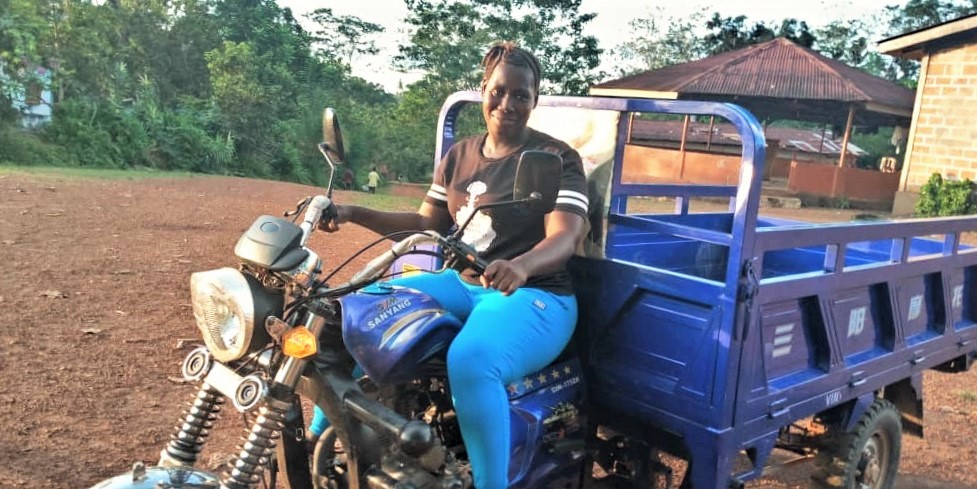
 The mini-truck, locally called a keke, is an easy and economical way to carry small loads the short distance from the project fields back into town. Here it’s being loaded with newly harvested rice sheaves.
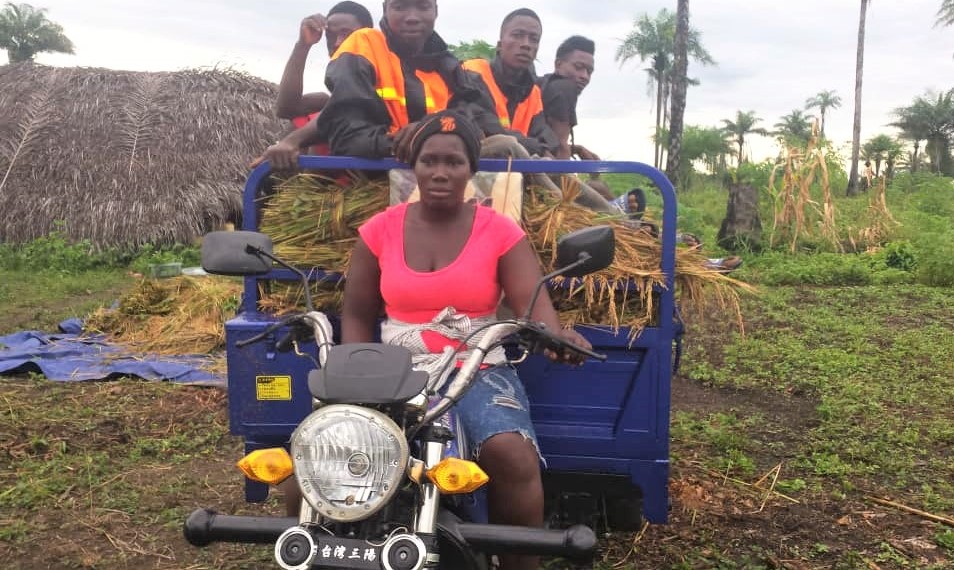 Loaded with rice and workers, Zainab carries all back from the fields to town.
 “If we could raise fruit trees on a big enough scale, we could grow our own community’s future.”
 700 coconut trees are flourishing in the first Rotary funded orchard, as well as lime, grapefruit, African plum, avocado, guava, soursop, oil palm and cassava. Most were grown in CCET’s tree nursery from local fruit seed.
 Chief Caulker, center, and Rosaline Kaimbay, CCET Managing Director, right, accept the Rotary Club of Ann Arbor flag from Mary Avrakotos. Dale Smith, Wilmington, NC Rotary Club, left, led fundraising for the medical care component of the grant.
 Full-time orchard workers display their protective gear purchased from the Rotary grant: rain suits for working in the rainy season and thick rubber boots for protection against injury and snakes.
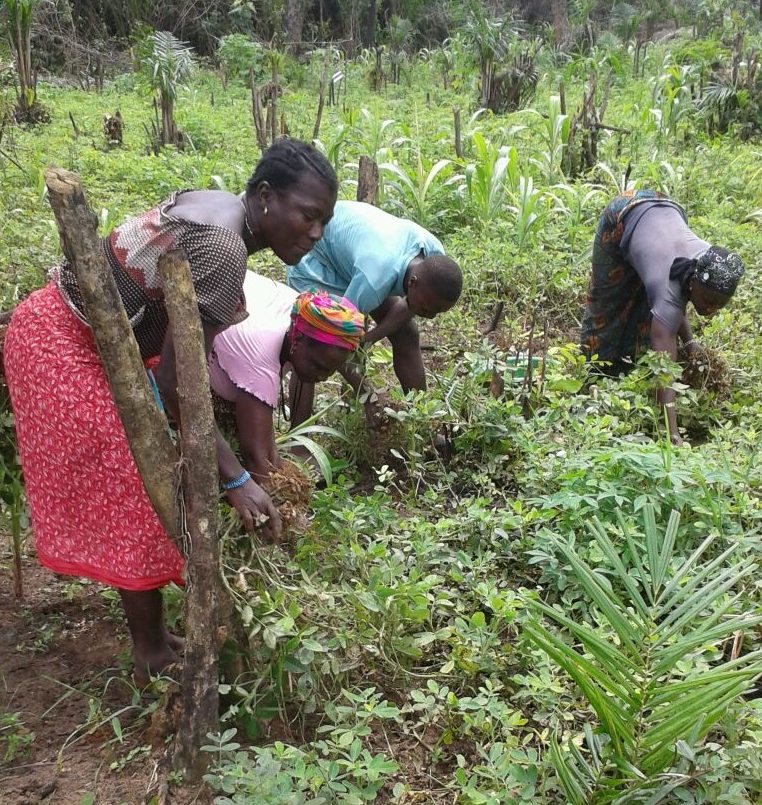
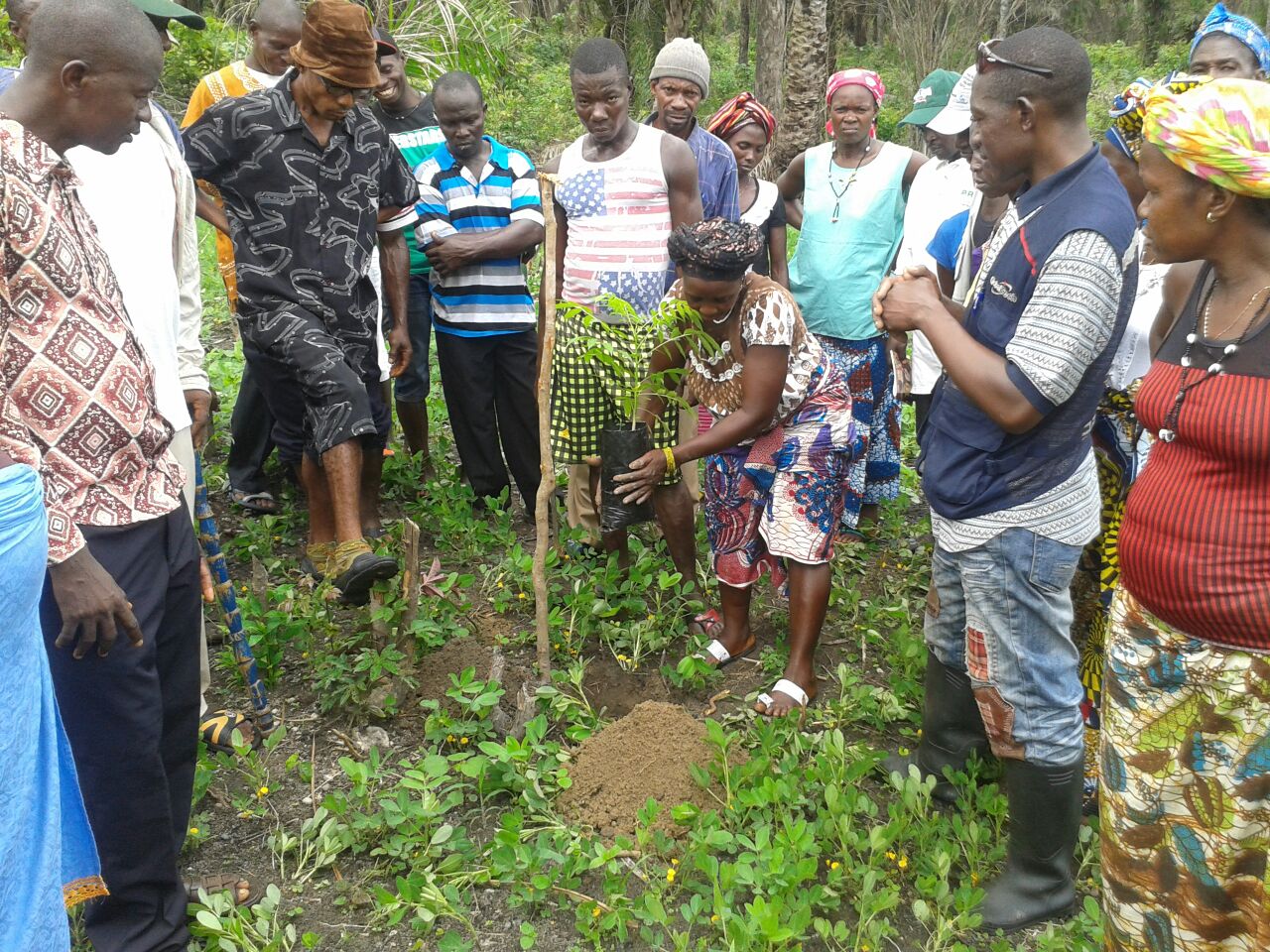
 Local women are hired as part-time workers where heavy labor is not needed. These are planting peanuts in an orchard to generate annual operating income. They’re paid wages equal to those of part-time male workers.
 Our goal is for the orchards to produce annual income to run CCET’s education programs. In the meantime, we need annual crops to fund orchard operations until fruit trees mature and begin producing a few years from now.


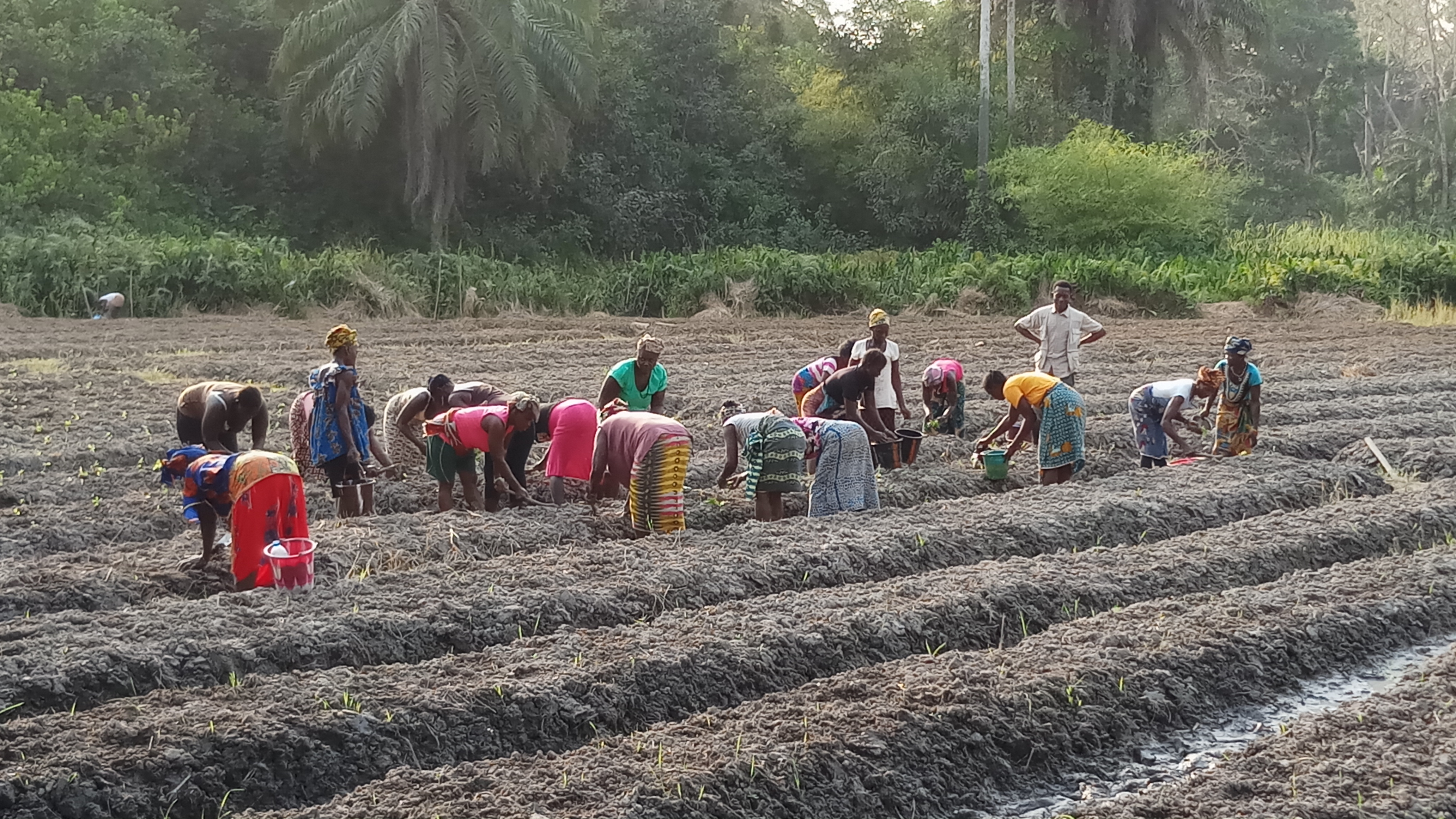
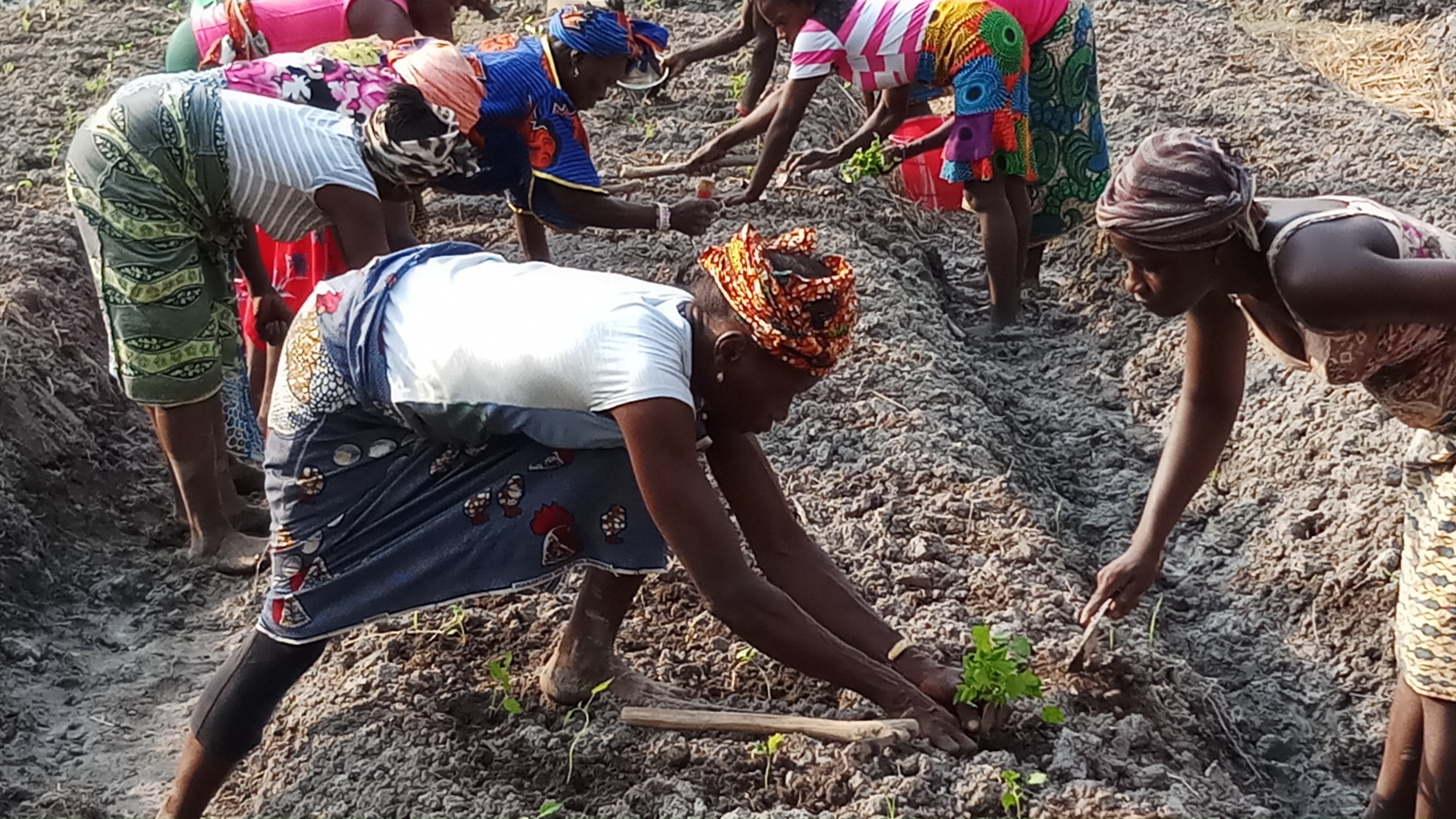
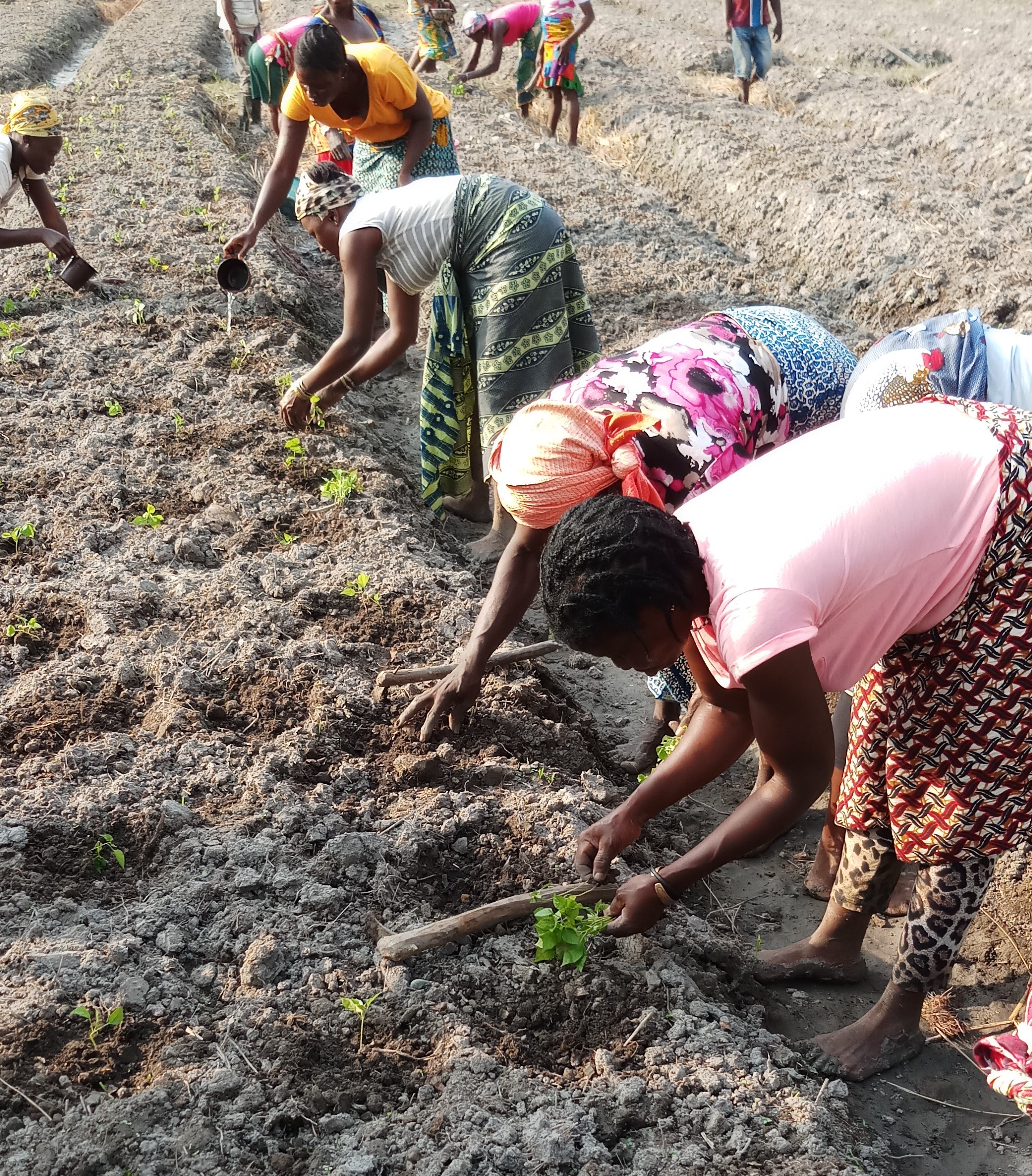 The women were happy to receive wages for their labor.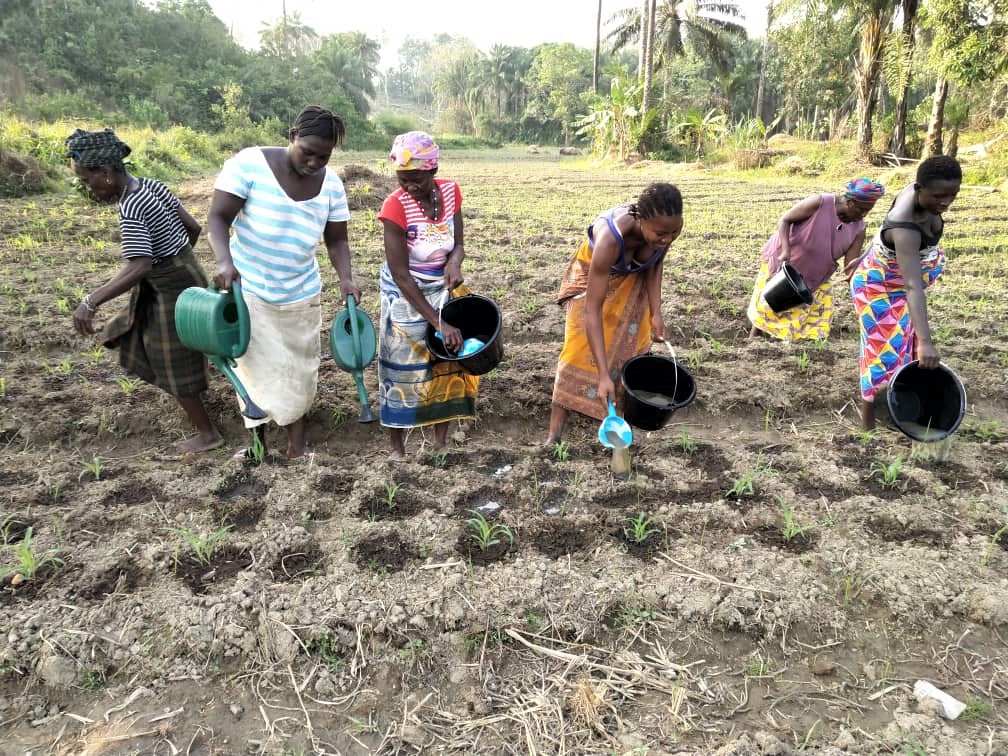








 As a biologist myself, I had to stop and think, it’s the same as with any other fruit. In nature fruit drops from a tree and will start growing where it falls.
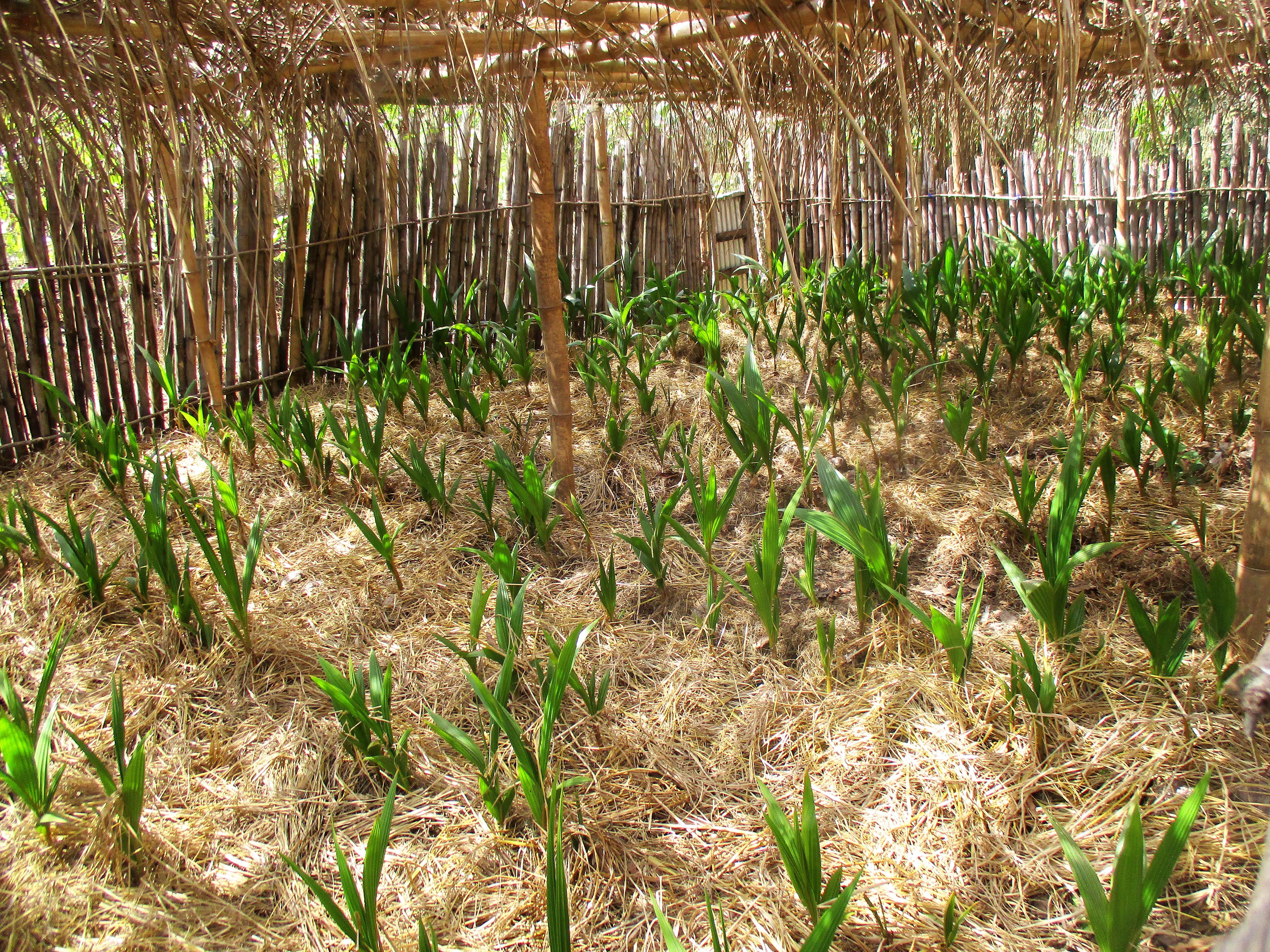 Bumpeh Chiefdom is lowland tropical rainforest, perfect for growing coconuts. The Center for Community Empowerment & Transformation (CCET) is growing them commercially by the hundreds in a coconut nursery.
 Coconuts, shell and all, are planted about a third of the way into loose soil and covered with straw mulch.
 CCET’s nursery manager, Pa Willie, grows project coconuts in a protected nursery to keep thieves from stealing them. It’s a fenced in and locked pen right behind his house he keeps an eye on.
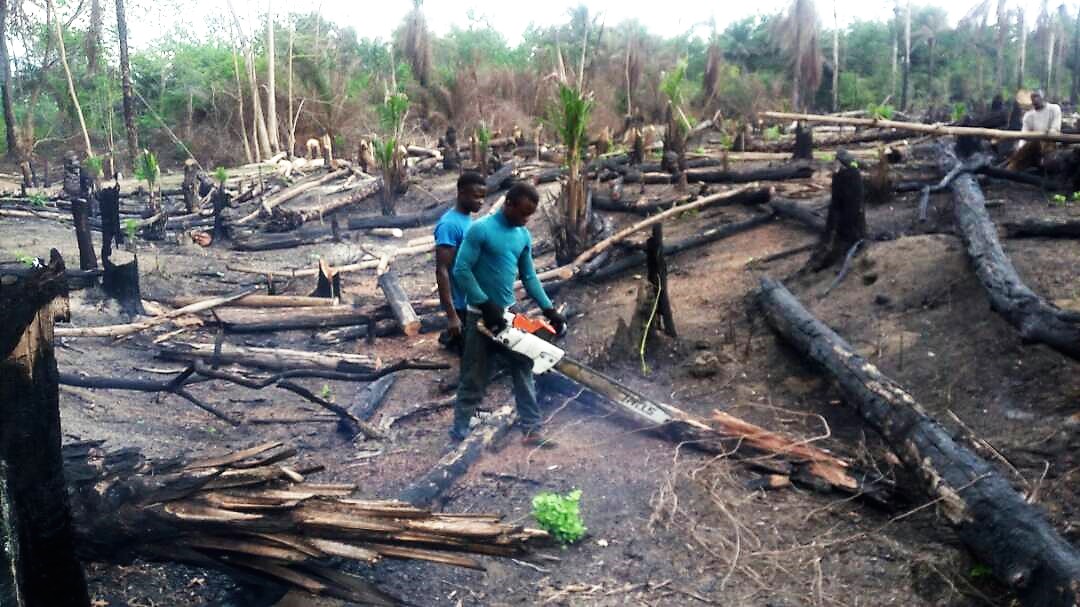
 Work is underway and on a tight schedule, as the annual rains started in May. Here’s the step by step process.
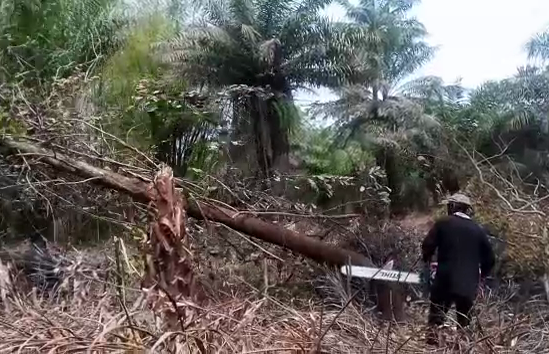
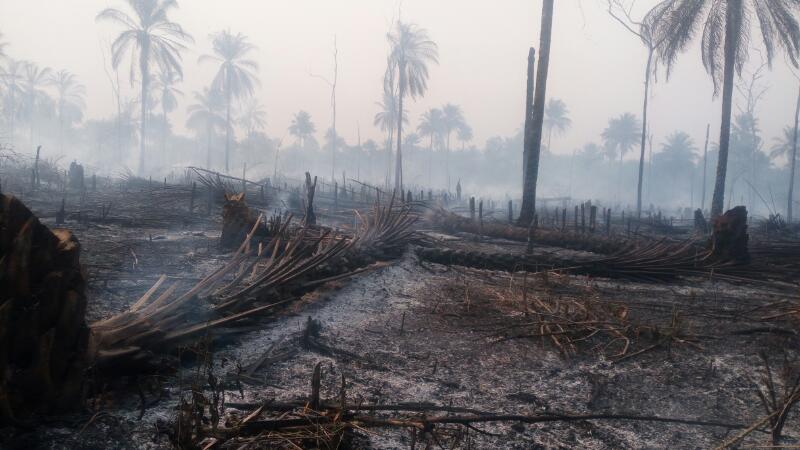 With no mechanized equipment to clear the land, it must be burned.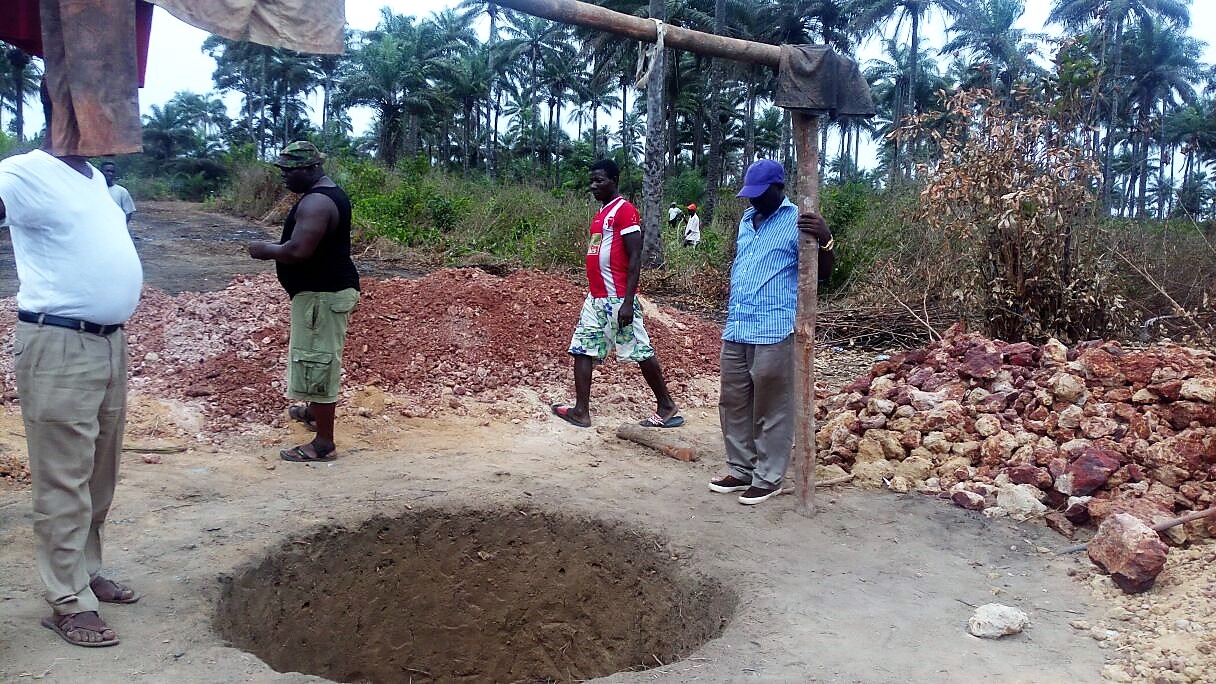
 Little goes to waste in Bumpeh Chiefdom.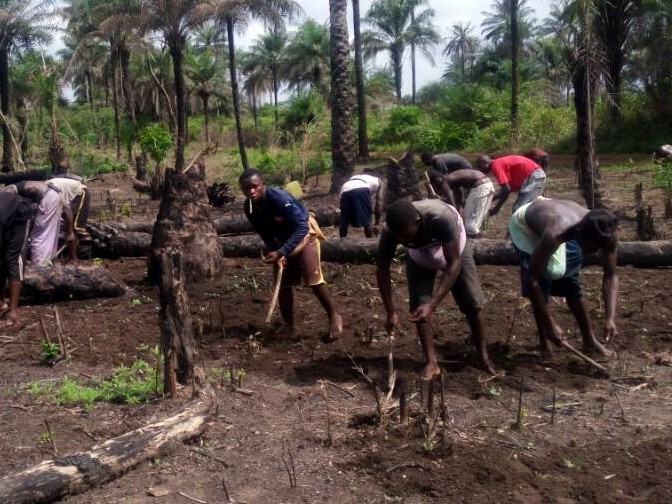
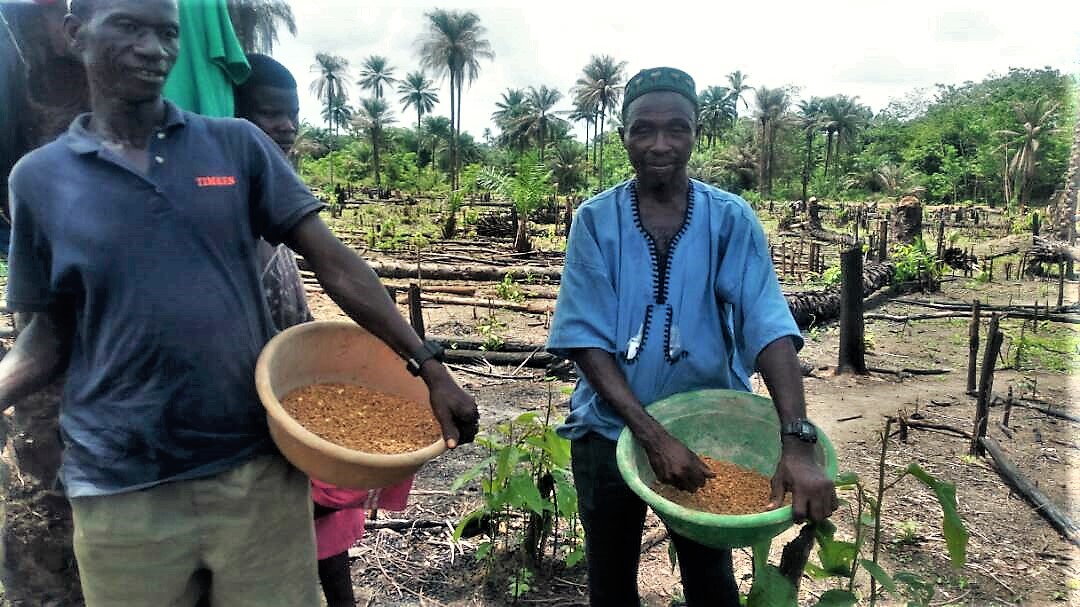





 Rice farmers are often forced to take a loan from a local lender at interest rates of 50% and more to send their children to school. These informal village lenders can charge this much because villagers usually have no other option for a loan.

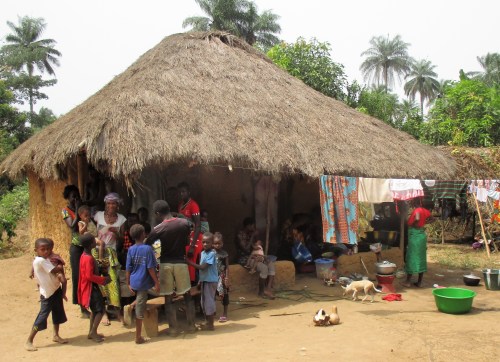 Fula Musa was one of eight women in the project from this small village of 25 houses.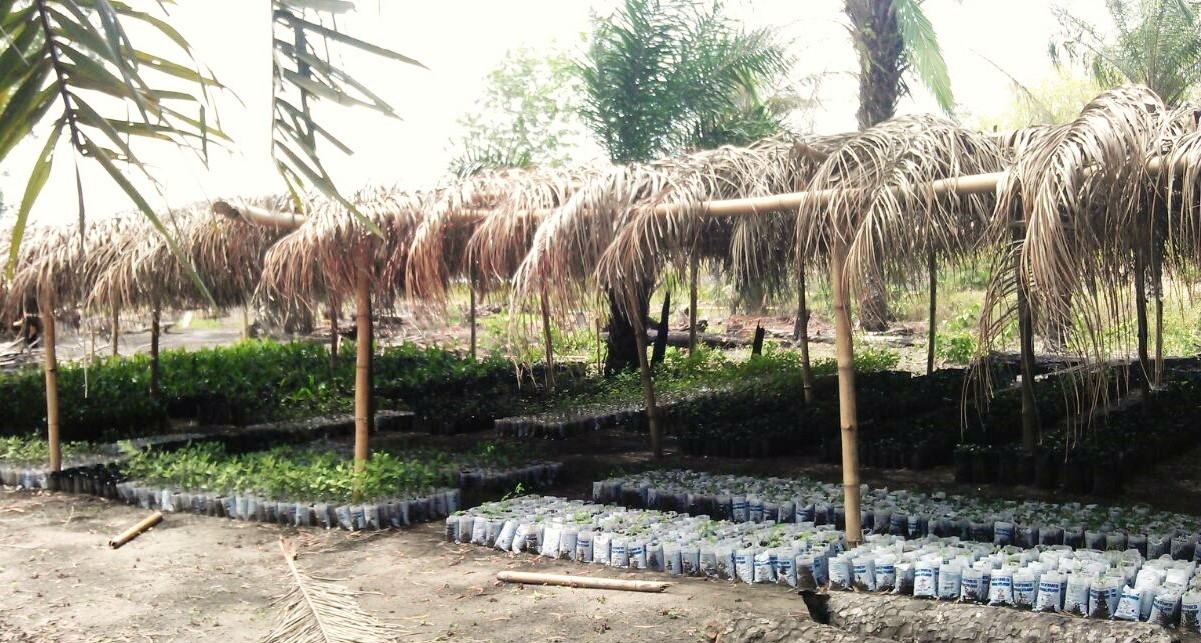
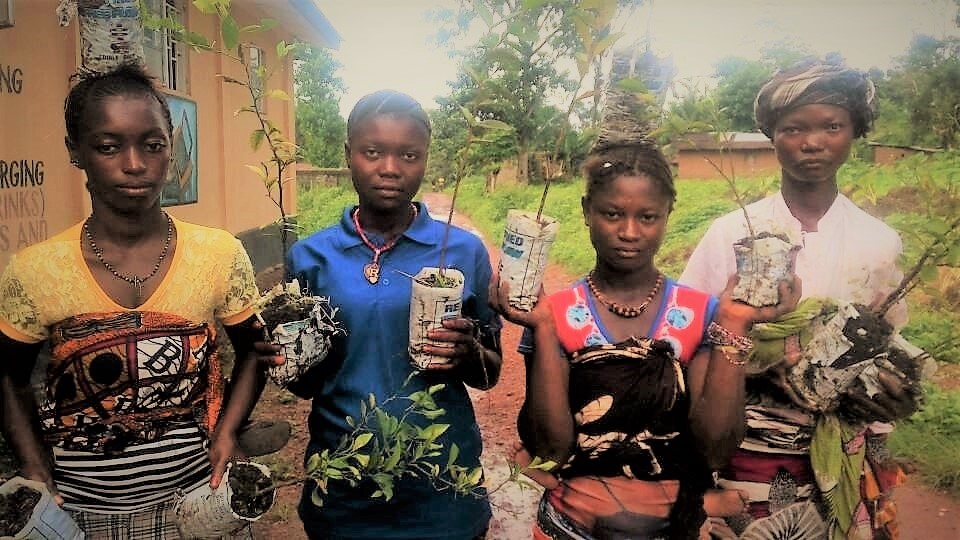
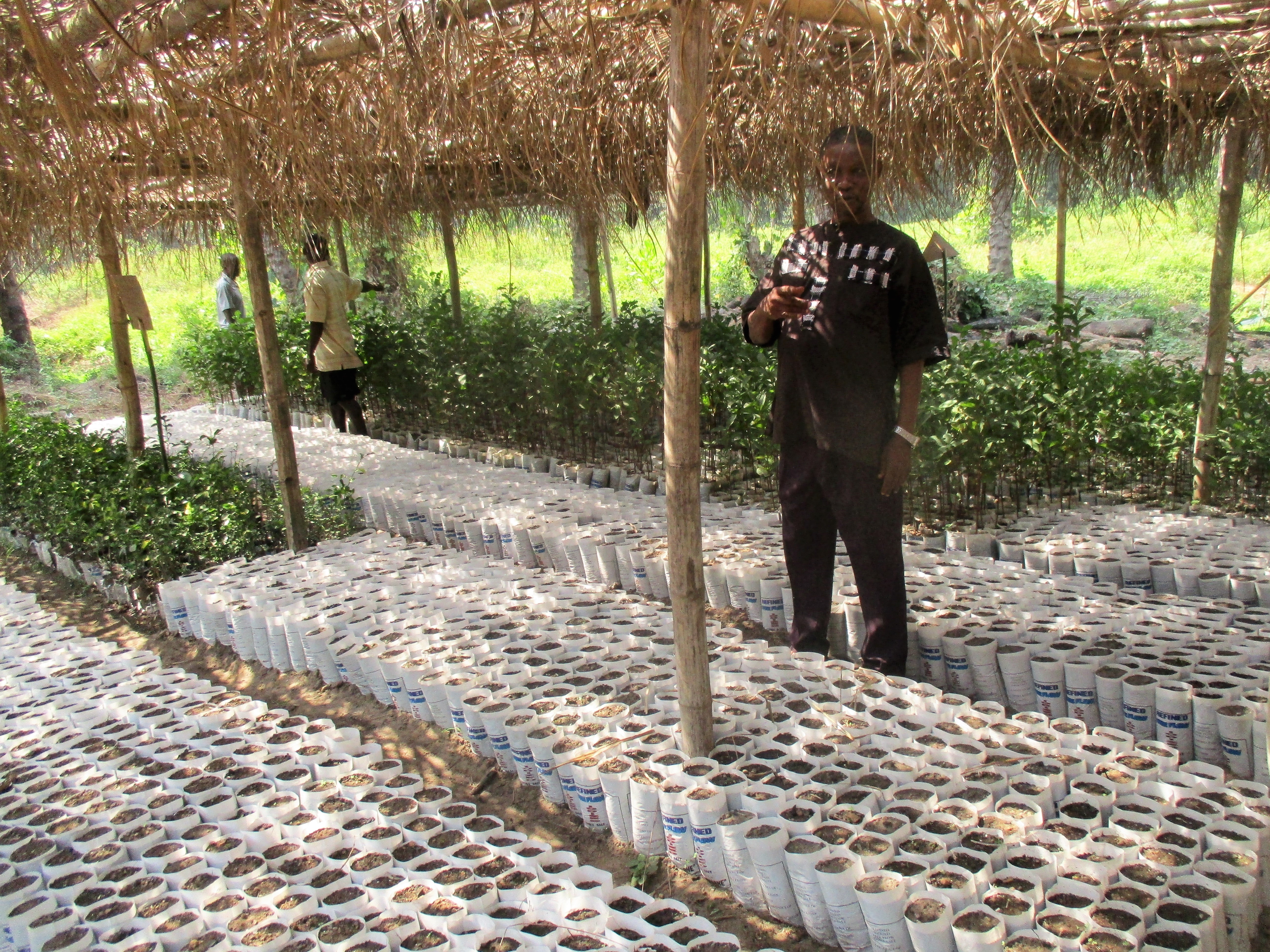
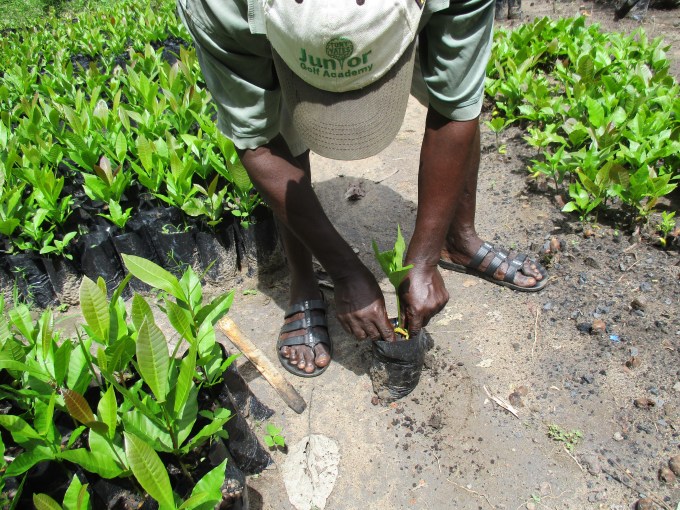
 Seedlings are tended and watered for one to two years, then given to villages to plant community orchards and to parents of newborns to raise for income for their child’s education.
 Here’s how an orchard gets started:
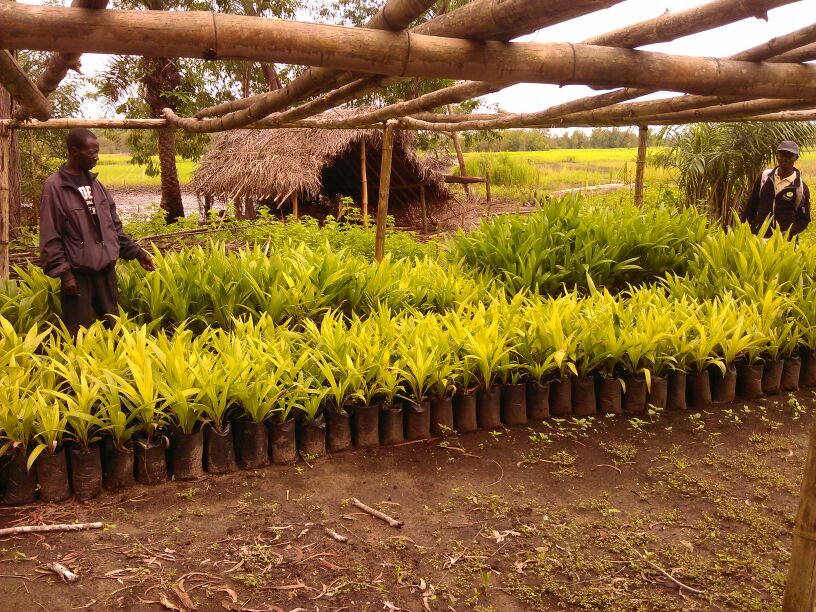 They position the nursery next to a swamp for a ready supply of soil and water. Nurseries are built inexpensively. They’re bamboo pergolas, made from bamboo felled in nearby forests. Palm fronds laid over the top shelter young seedlings from the hot, dry season sun.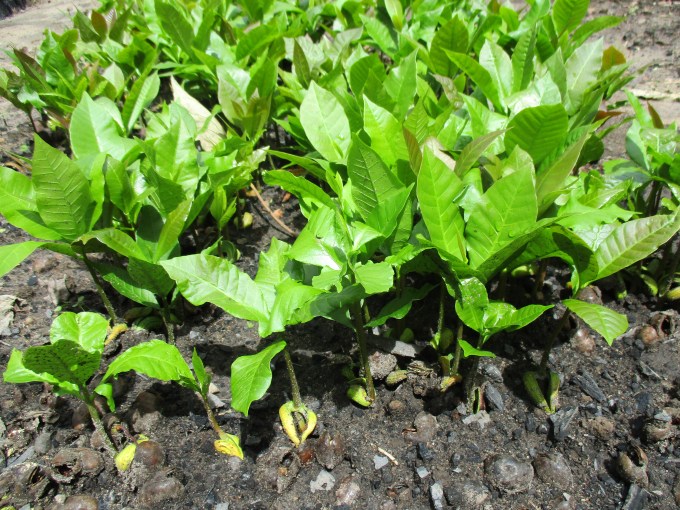


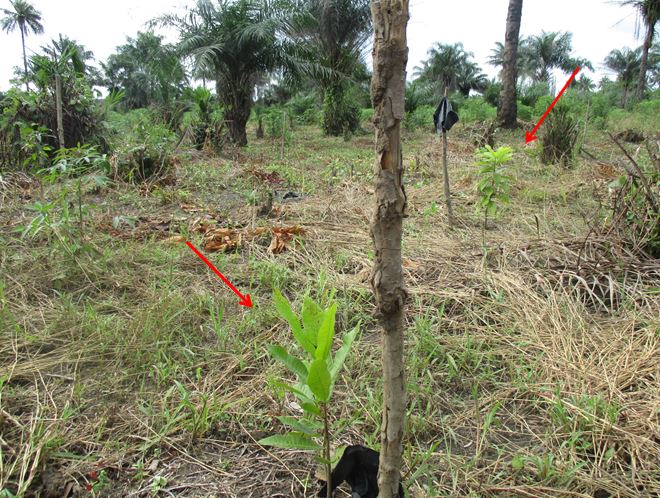 Orchard sites are usually 10 acres and hand cleared by machete, but not burned. The cut brush is laid down as an organic mulch.

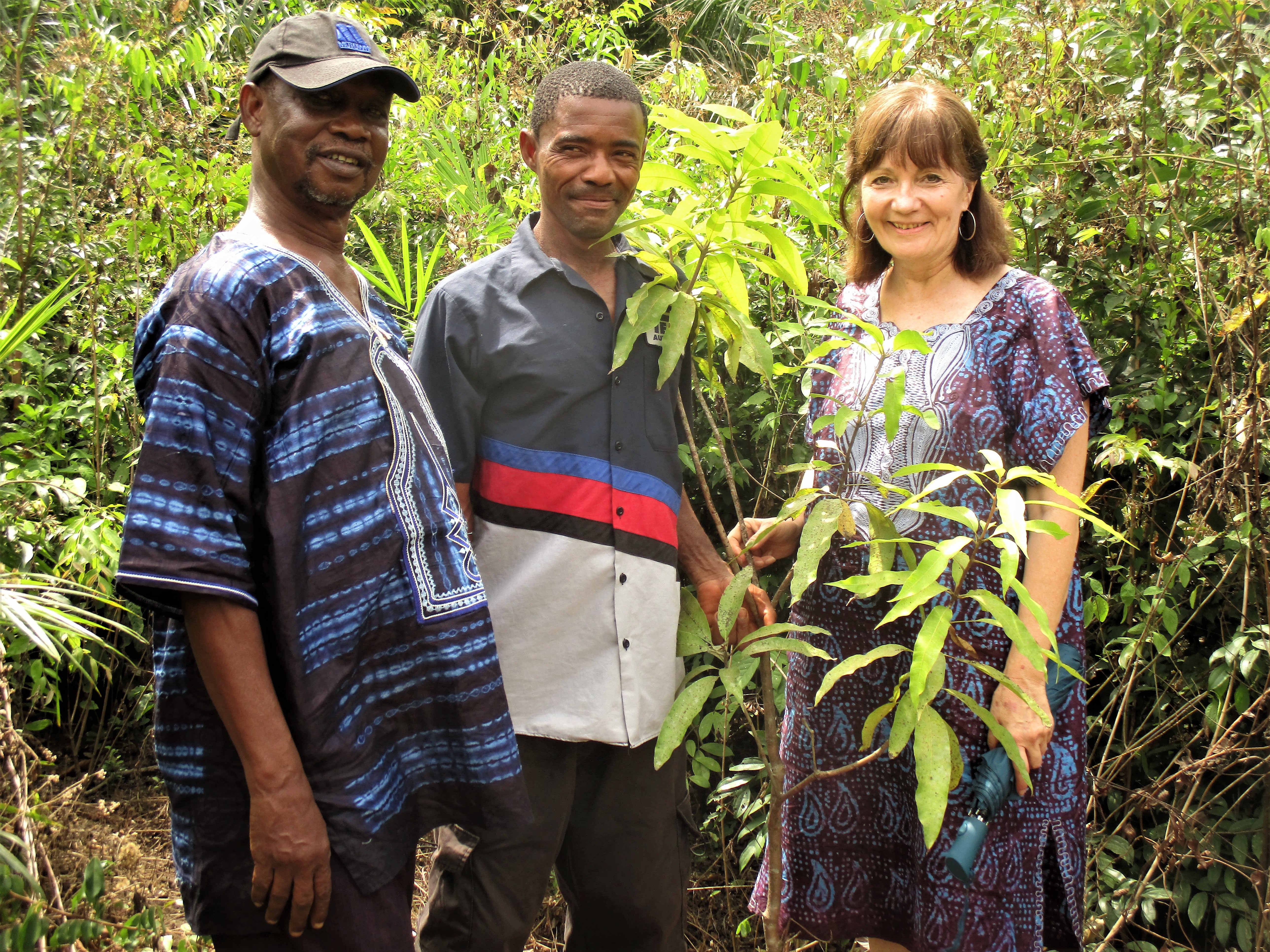
 Villages will earn money faster as fast-growing fruits and bushes shelter the slower growing fruit tree seedlings from the hot equatorial sun. Cassava bushes, left, shelter a two-year old mango, above.
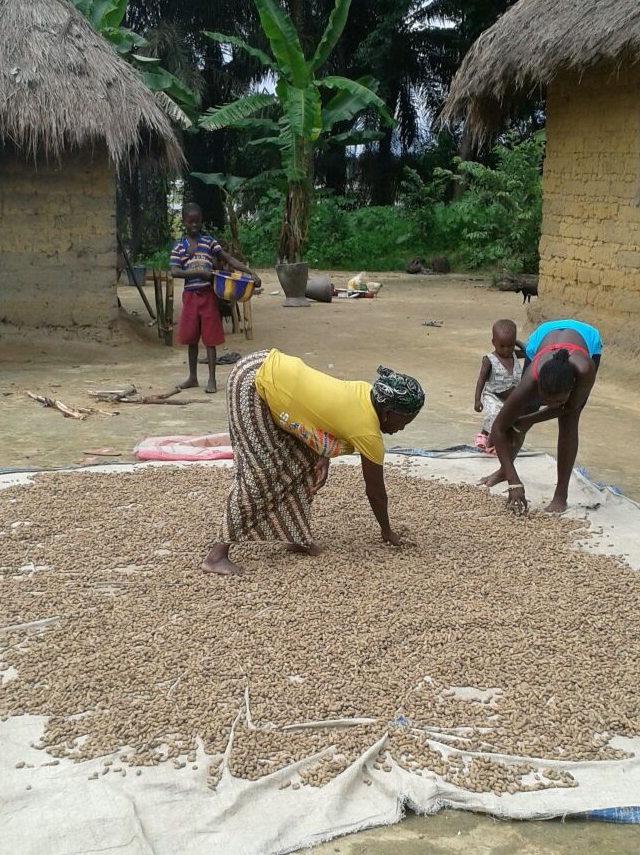
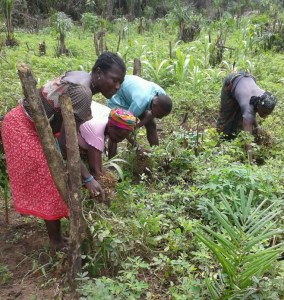 It was conceived as a way to quickly help women earn income again. We started small with 30 women, supplying each with enough peanut seed for a half-acre garden and other vegetable seed like cucumbers and corn. They also got a 50Kg (100-pound) bag of rice to feed their families before their harvest.
 hat may not sound like much, but it was three times more than the women would make in cash in a whole year of traditional rice farming, an incredibly labor intensive crop. And they still had the rest of the year to grow rice and do fishing in the Bumpeh River.
![13177990_689055534567081_9185847638175857474_n[1]](https://sherbrofoundation.org/wp-content/uploads/2016/05/13177990_689055534567081_9185847638175857474_n1.jpg)
 The 2014-15 farming year was exceptionally hard with Ebola. The first group of women peanut farmers unfortunately didn’t become self-sufficient with just one peanut crop in 2015. They were forced to eat a large part of their first peanut harvest to avoid hunger. But this allowed them to save some of the previous year’s rice as seed to grow their next rice crop. We’re giving these first 30 women partial support again in the current project to ensure they can make enough profit in 2016 to go from there.
 During an April 6 public program Sherbro Foundation hosted in Cincinnati, Chief Caulker told the rapt gathering about the stark realities of life in Bumpeh Chiefdom. Conditions actually have worsened in the last 20 years. The partial recovery following a brutal 11-year rebel war was dealt a big setback with the recent Ebola epidemic. People are struggling to feed their families.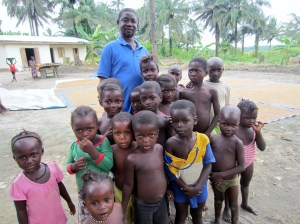




 Sherbro Foundation