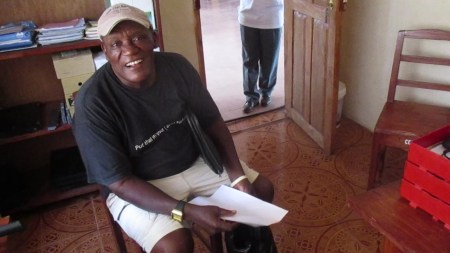
 Mr. Bendu, a primary school head-teacher, came into the new printing service at the Center for Community Empowerment & Transformation (CCET) to get some UN Children’s Feeding Program forms printed. He walked out of the new Community Computer Center 20 minutes later with his copies.
It was effortless. It would have taken less time if I hadn’t stopped to interview him. Four months ago, it could have been a 2-day trip.
 CCET’s new printing service in Rotifunk is scoring a home run for their customers and for themselves.
CCET’s mission is to help community members become self-reliant. But they can’t keep assisting residents unless they themselves become self-reliant.
Left, CCET staff Oliver Bernard, Sulaiman Timbo, Rosaline Kaimbay
The first few years in the life of a small nonprofit are tricky. You’re getting projects off the ground, and need a little cash to fall back on when the unexpected happens. Donors are just learning who you are. Grant applications are often a year-long process before you see any funding – IF you’re approved.
Grant givers ask for your sustainability plan, which can feel like wishful thinking. How can you ensure the future success of your programs when you’ve just started to deliver something using donor money?
 It takes a paradigm shift. You can help people while you earn income offering needed services that fit your nonprofit mission.
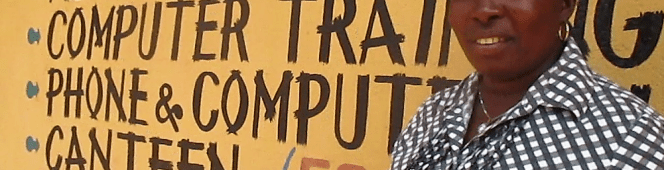
Left, CCET Managing Director Rosaline Kaimbay at CCET’s new Center
Our Sierra Leone community partner, the Center for Community Empowerment & Transformation, laid early groundwork for self-sufficiency with new, much needed community services that earn income to fund their nonprofit programs.
 Only four months earlier, to get anything printed Mr. Bendu faced an all-day or an overnight trip to the capital, crammed into a minivan bus or on the back of a motorcycle taxi on treacherous roads. His transportation costs alone would have been 10 to 20 times the cost of the printing. The time wasted is just accepted, a common inefficiency holding back developing countries like Sierra Leone.
Today, there’s a win-win in Rotifunk. Mr. Bendu and other Bumpeh Chiefdom customers no longer waste their time and money. Instead CCET provides local printing and other services people need. And CCET is making money to fund their nonprofit programs like computer training and adult literacy.
The Rotary Club of Ann Arbor, the Procter & Gamble Alumni Network and Sherbro Foundation funded CCET to start their new services.
 These three grant makers were happy to invest in projects giving this rural community services they never had before, knowing income goes to support nonprofit programs.
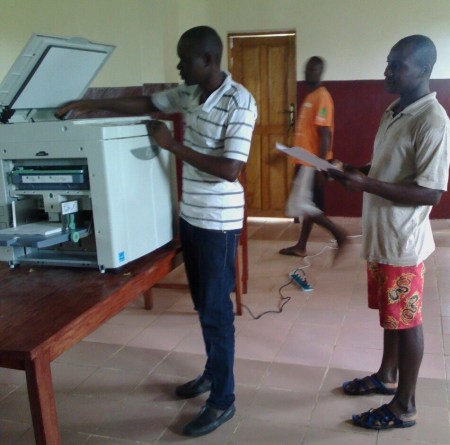
CCET’s printing service can make simple photocopies or print 500 school report cards or church memorial service programs.
 Sulaiman Timbo, left, and below left, is printing service and IT manager
Sulaiman can prepare custom layouts and type up forms and documents for customers, and then immediately print them.
A color printer is on its way that will expand the business, offering full-color election posters and event flyers, and color photos. More business opportunities.
No one else in their district of 300,000 people provides a printing service like this.
 Cell phones are now a way of life, and this means daily charging in a rural town with no electricity.
CCET charges phones in a secure drop-off service seven days a week. People may now bring a battery pack to charge as well.
 The CCET Center rents meeting and workshop space for NGO and government programs during the day, when no classes are in session. It’s the only place in town and for miles around with a facility to hold professional meetings for 20 to 100 people.
The building’s solar power lets participants use their computers. And they can print meeting materials right there. It’s also a good venue for wedding receptions and other special parties.
 Next on the list to introduce is a small canteen for cold drinks, snacks and catered meals. The room next to the main hall, left, is ready.
Across the street is the only small hospital within a two-hour drive. Staff and visitors want meals and refreshments in a comfortable sit-down space — as well as market day visitors, teachers and NGO workers. A refrigerator is coming soon to kick off this service.
 There’s also a growing need for internet service. People may not own their own computer, but they want to be connected to the world around them by email and Facebook.
The local professional community of teachers, religious leaders, chiefdom authorities, nurses and health care technicians, and NGO reps needs to communicate with organizations around the country and beyond.
CCET plans to start a small pilot internet service and grow from there, based on demand.
So, when a small, rural nonprofit wonders how to become self-reliant, leaders should ask who are their customers, and what do they need?

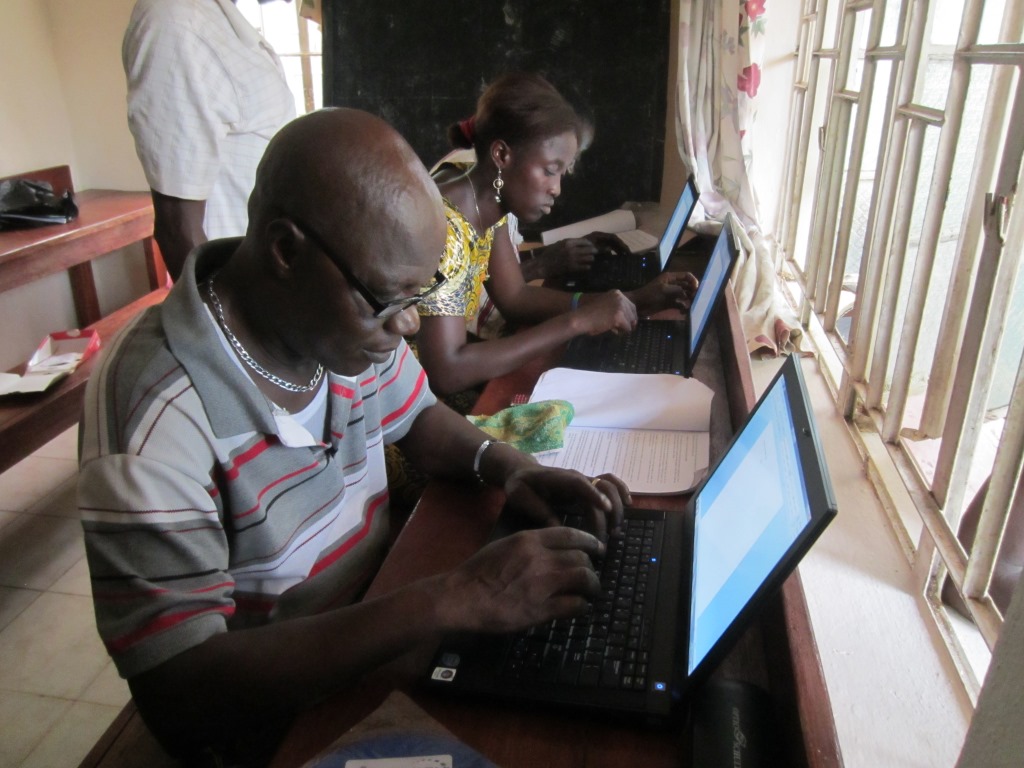
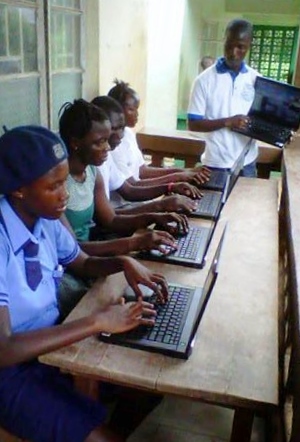
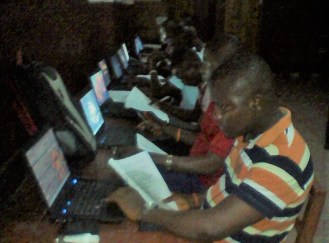 On October 24, students took their seats for the first evening computer training class in the new Computer Center building. With two months left in the year, it’s a self-paced evening class for adults. An afternoon class for high school students will follow in the next term.
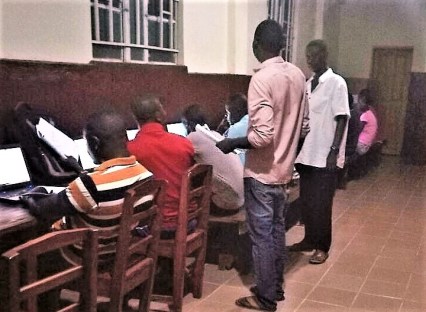 Our Rotifunk partner, the Center for Community Empowerment & Transformation, CCET, hired their first full-time employee to lead computer training classes and run the new printing service.


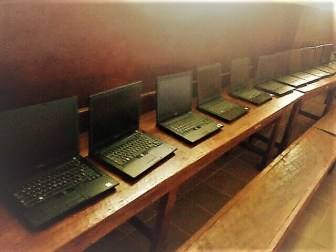 The Center can handle 20 computer students in a class. A long table lines a wall so students can plug into wall outlets now powered with solar energy.
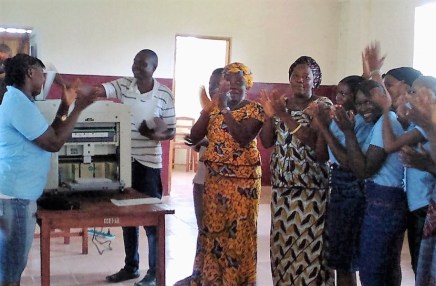 The economical high-volume, low-energy copier was met with cheers at the Rotifunk facility. With good reason – it’s the only printing service within several hours drive. Printing once meant a trip to the capital Freetown.
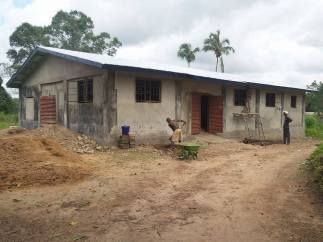
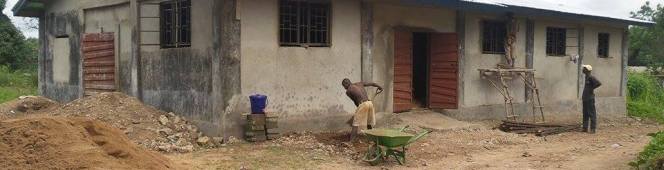
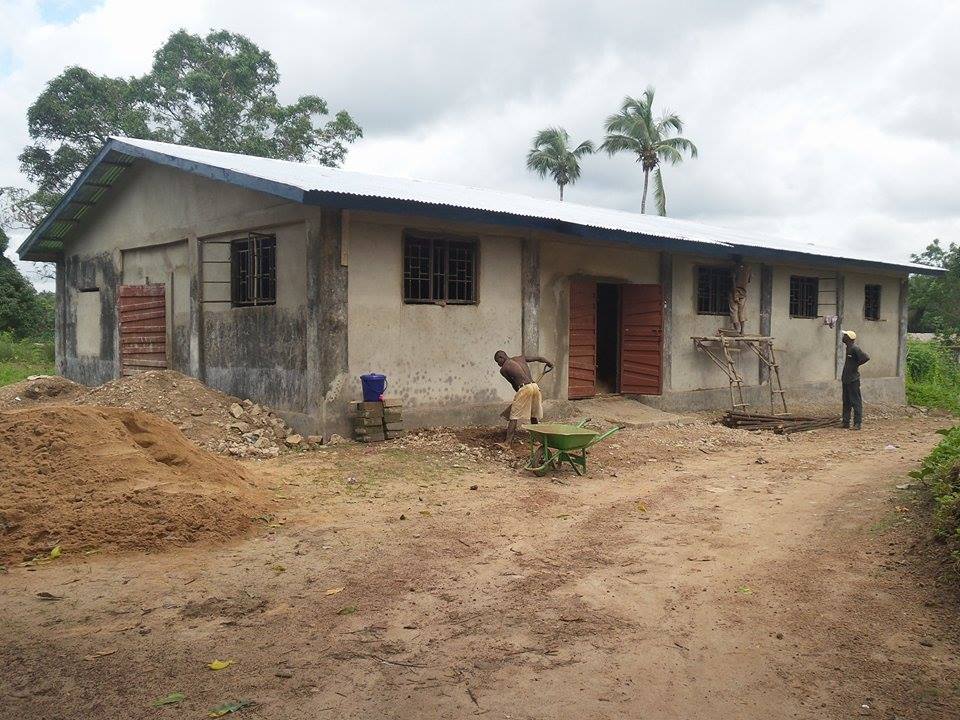
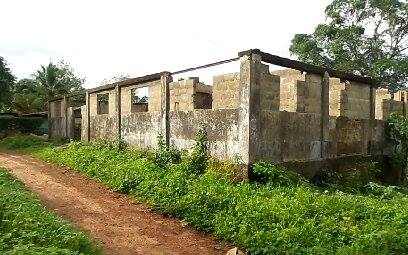
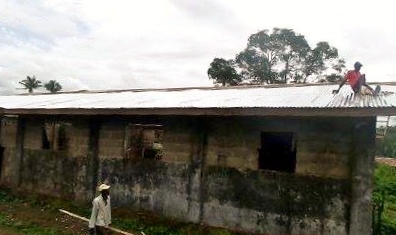
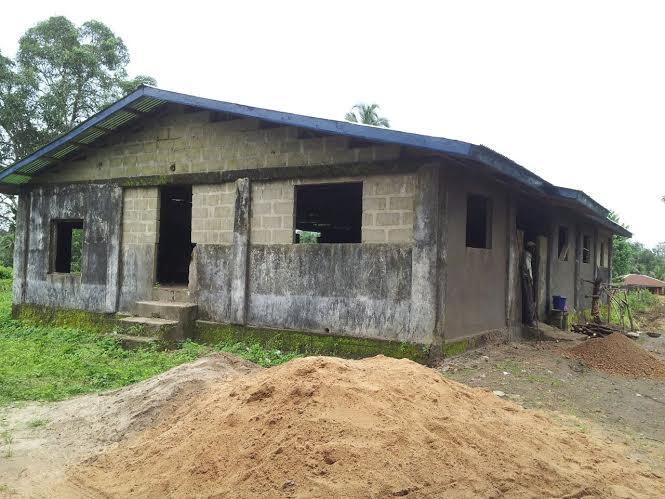
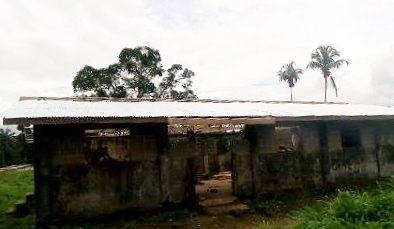
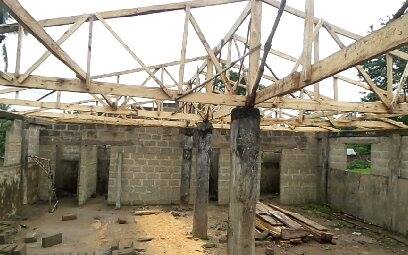
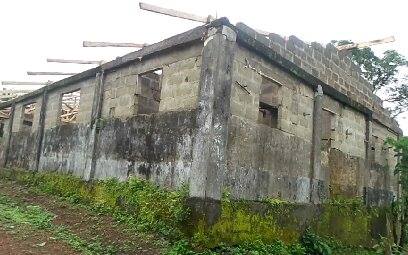
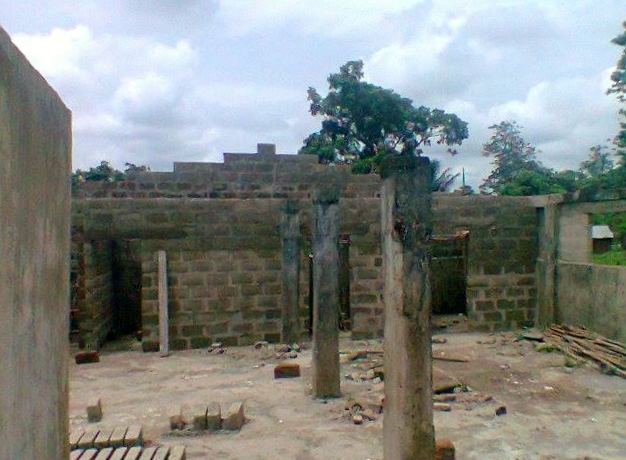
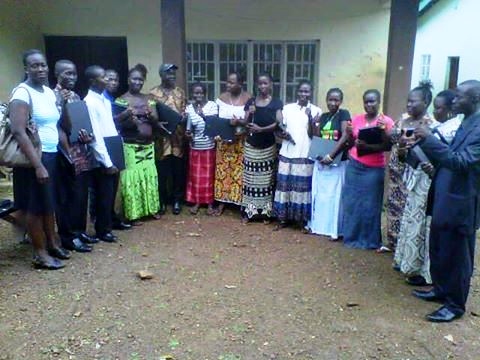
 Now, the computing center — built from a war ruin — is being used to instruct students and adults on computer use. It also hosts adult literacy classes for the many whose educations were cut short by the war. The solar-powered building is available to rent, the only modern building for miles suitable for meetings and community events of 20 – 100. Primary school teacher training, above, was the first rental customer.
 The large duplicator was purchased with a $3,750 grant Sherbro Foundation received from the Ann Arbor (MI) Rotary Club and its District Rotary group. We purchased and shipped the duplicator to our Sierra Leone partner, the Center for Community Empowerment & Transformation (CCET), which operates the Center.
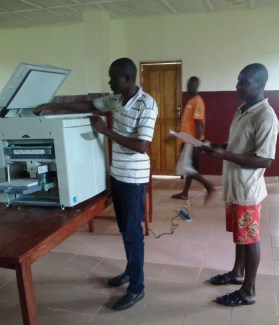 Customers soon lined up for the unique service, which spares them an eight hour round-trip to the capital, Freetown. Many are teachers from Bumpeh’s five secondary and 40 primary schools, who need to print reading materials (students have few textbooks), exam papers and report cards.
 The pieces are falling into place for Rotifunk’s first computer center, a project over four years in the making. When we first identified a proposal to teach computer literacy in 2011, we had no computers, no building and no power. Nor did we know where we’d get any of these. No one in town had a computer, and only three teachers had any PC skills.
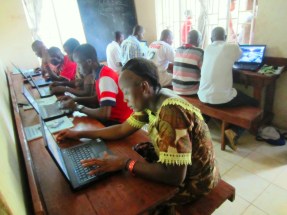 Our local partner, the Center for Community Empowerment and Transformation, CCET, started teaching adults in the living room of a borrowed house. There was only room for ten students at a time, but it was a start. Then Ebola hit in mid-2014 and all public gatherings were banned. Classes stopped.


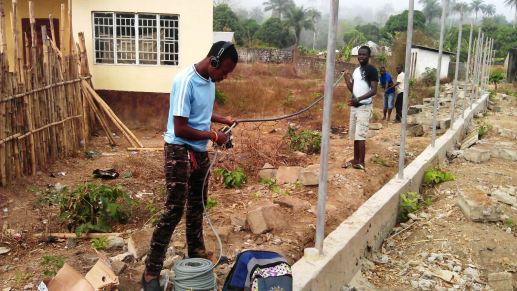
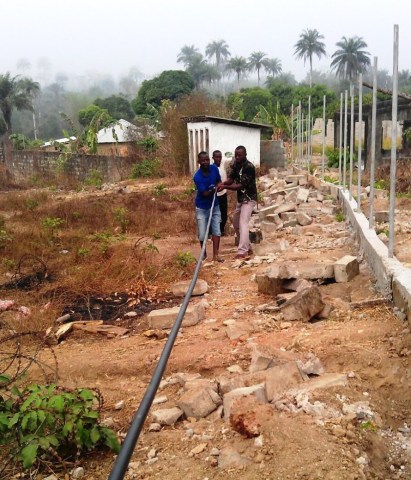
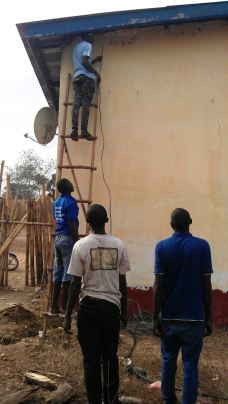

 est you think we’re now all set, well, not quite. I’ve learned a lot about solar systems and their capacity. The parent system we’re drawing from, shown here, is considered large at 5000 Watts. We’ll be able to use 3000 – 4000 Watts on most days. But this will just cover basic operation of the computer center running 25 laptops at a time, a twenty 11 W LED lights, six small ceiling fans and a desktop printer.

















 Sherbro Foundation